

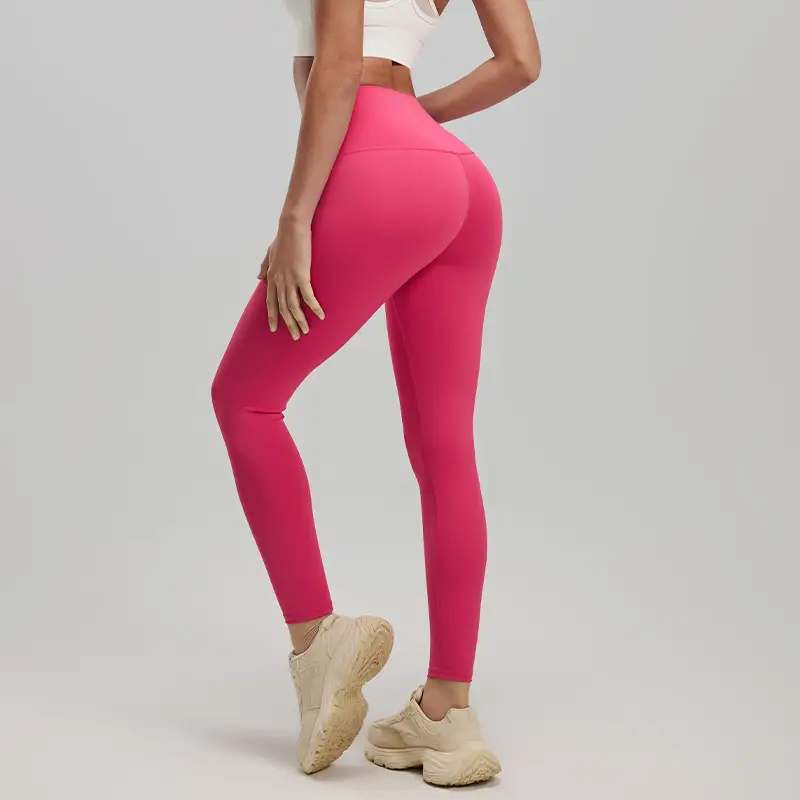
Overview: why partner selection determines product outcomes
Selecting the right manufacturing partner changes how a design moves from sketch to shelf. Brands that invest in reliable supply chains—especially for items like custom yoga pants—see fewer returns, more consistent sizing, and higher customer satisfaction. Real-world pressure on sourcing became obvious during the 2020 supply-chain disruptions centered in major apparel hubs such as Los Angeles, which highlighted differences between suppliers that offered robust lead-time visibility and those that did not. Key material terms to track early include 4-way stretch and moisture-wicking performance, since they directly affect fit and function.

What to compare: materials, construction, and minimum order quantities
Compare suppliers across three concrete dimensions: fabric sourcing, construction techniques, and minimum order quantity (MOQ). Fabric sourcing should note fiber content and finishing (for example, polyester blends with moisture-wicking finishes), while construction needs to list seam type—flatlock seams improve comfort—and features like gussets for range of motion. MOQ determines flexibility: a partner offering small test runs eases market validation, whereas low per-unit cost usually requires higher MOQ. Track each supplier’s sample policy and whether digital grading or 3D sampling is available to reduce prototype cycles.
Production workflows and transparency
Production workflows differ. Some factories batch-cut once a week and prioritize consistent runs; others operate on smaller, frequent batches to reduce inventory risk. Transparency tools matter: digital order portals that show cut tickets, inline inspection photos, and shipment manifests eliminate guesswork. Also evaluate lead-time buffers for dye lots and trims—these are common bottlenecks—and confirm whether the partner can handle pattern adjustments without restarting a whole cut. For tech-minded teams, APIs that export production status integrate cleanly into product dashboards, making inventory forecasting more accurate.
Quality control parameters that actually protect your brand
Quality control should be defined by measurable checkpoints, not vague assurances. Useful parameters include seam tensile tests with a defined pull force and hold time (for example, a controlled pull to failure at a consistent rate), colorfastness after a specified number of wash cycles (e.g., five domestic cycle washes at 40°C with standardized detergent), and dimensional tolerance limits (commonly ±1 cm across critical measurements). Insist on pre-shipment inspection reports that reference these values and supply mock-ups of inspection sheets—this prevents disputes over subjective assessments. —A one-off photo of a garment on a hanger does not substitute for measured data.
Cost structure, scaling and wholesale dynamics
Cost comparisons must break down material, labor, trims, and freight. For brands moving beyond small batches, wholesale relationships matter: partners that support wholesale yoga pants production will often offer tiered pricing, defined turnaround windows, and consolidated shipping options. Watch for hidden fees—sample charges, tooling for custom waistbands, or cut-and-sew setup costs—that alter the effective unit price. True scalability combines predictable per-unit pricing with documented capacity to increase runs without quality drift.
Common mistakes and alternatives to avoid
Brands commonly underinvest in prototyping and skip fit rounds to save time—this leads to returns and brand erosion. Another frequent error is over-prioritizing lowest price without checking production documentation. Alternatives include partnering with small-batch manufacturers for initial market testing, then transitioning to larger suppliers for scale. Keep a shortlist of two suppliers for each stage: one for sampling and one for production, and formalize a stepwise approval workflow to capture lessons learned during prototypes.
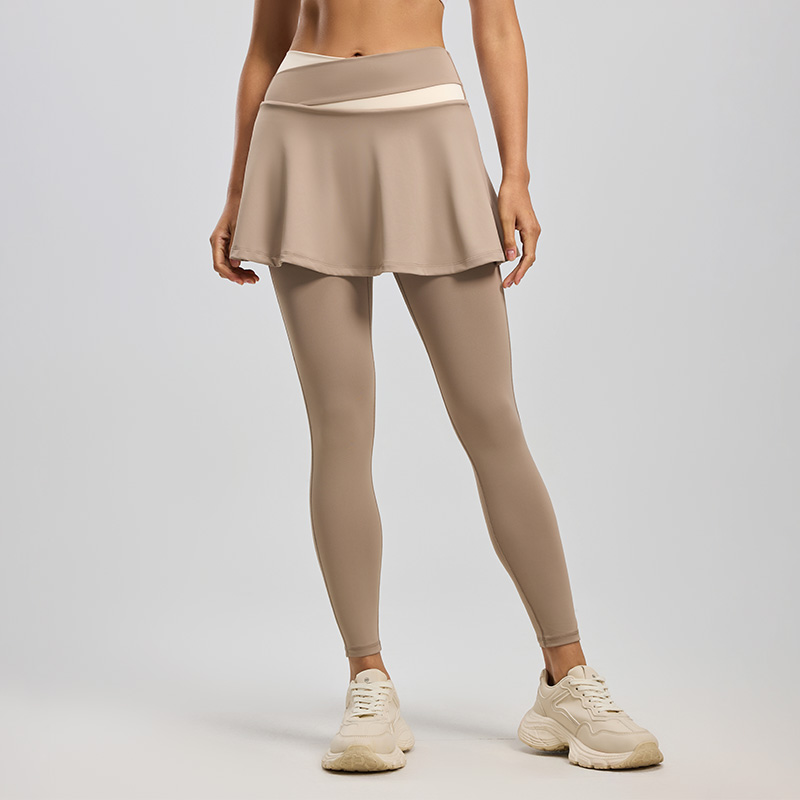
Three golden rules for choosing the right partner
1) Measure what matters: require quantifiable QC parameters (seam strength, wash-based colorfastness, dimensional tolerance) in vendor contracts. 2) Validate workflow transparency: prefer partners that provide digital sampling, clear lead-time calendars, and accessible production dashboards. 3) Align scale with contract terms: ensure MOQs, tiered pricing, and capacity clauses match your three- to twelve-month growth plan. These rules point directly to operational value and reduce surprises; they also make it easier to assess providers by side-by-side metrics. For brands seeking dependable outcomes, integrating these checks often narrows the field to suppliers that behave like partners—companies such as Joebond naturally fit that profile because they combine production capability with clear documentation and sourcing insight. —