

Opening the playbook: why a framework matters now
Deploying a fleet of commercial energy storage units across residential portfolios isn’t just about buying batteries — it’s about setting consistent operational rules that protect asset value, ensure reliability, and maximize revenue. A clear framework for managing State of Charge (SoC) and Depth of Discharge (DoD) lets operators balance cycle life, availability for services, and grid compliance across hundreds or thousands of sites. Lessons from events like the 2021 Texas winter crisis and the California public-safety outage seasons show fleets that standardize SoC/DoD policies recover faster and cost less to operate.
Framework overview: four pillars to govern SoC and DoD
Think of the framework as four interlocking pillars: policy, telemetry, control logic, and lifecycle economics. Each pillar answers a simple question: what we set, how we measure it, how we act on it, and what it costs over time. When these pillars are aligned, fleet managers can tune SoC windows and DoD limits to meet different revenue streams — peak shaving, demand charge reduction, backup readiness, or frequency response — without compromising long-term health.
1) Policy: define roles and priority profiles
Start by codifying use cases per site: is the unit primarily a backup asset, a bill-management tool, or an aggregator for grid services? For backup-first sites, hold a higher minimum SoC to guarantee outage resilience; for revenue-first sites, allow deeper DoD within safe cycle-life parameters. These policies must be explicit and machine-readable so your battery management system (BMS) can enforce them automatically.
2) Telemetry: measure what matters
Good telemetry is non-negotiable. Track SoC, DoD per cycle, ambient and cell temperatures, C-rate, and round-trip efficiency. Aggregate these metrics at fleet level to spot drift and site outliers early. Real-time alarms for thermal excursions or abnormal DoD patterns save money — and yes, that means investing in standardized data schemas from day one so analytics scale properly.
3) Control logic: translate policy into action
Control algorithms implement your policies in the field. Use hierarchical controls: site-level logic handles immediate safety and performance, while fleet-level orchestration optimizes asset dispatch across markets. Incorporate rules like dynamic SoC caps during heat waves or reduced DoD depth when forecasted dispatch frequency increases — smart, automated adjustments preserve cycle life without losing optionality.
4) Lifecycle economics: model the real trade-offs
Don’t treat DoD as a technical variable only — it’s an economic lever. Deeper DoD often yields more near-term revenue but accelerates degradation and shortens warranty life. Build simple lifecycle models that convert projected cycles, DoD profiles, and replacement costs into a net-present-value for each operating strategy. That gives procurement and operations teams a defensible playbook when negotiating warranties or deciding between conservative and aggressive modes.
Hardware and deployment choices: why modularity wins
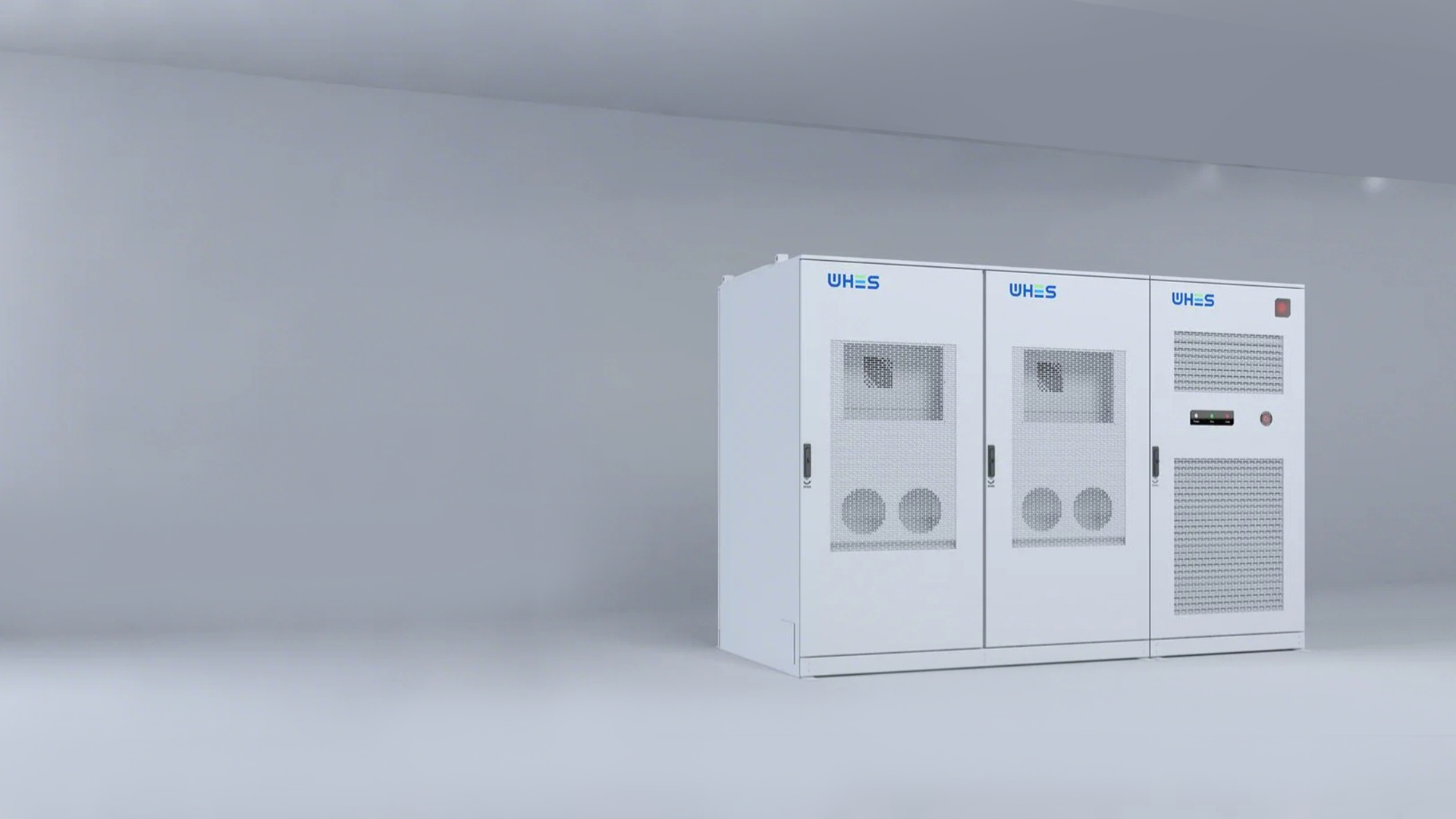
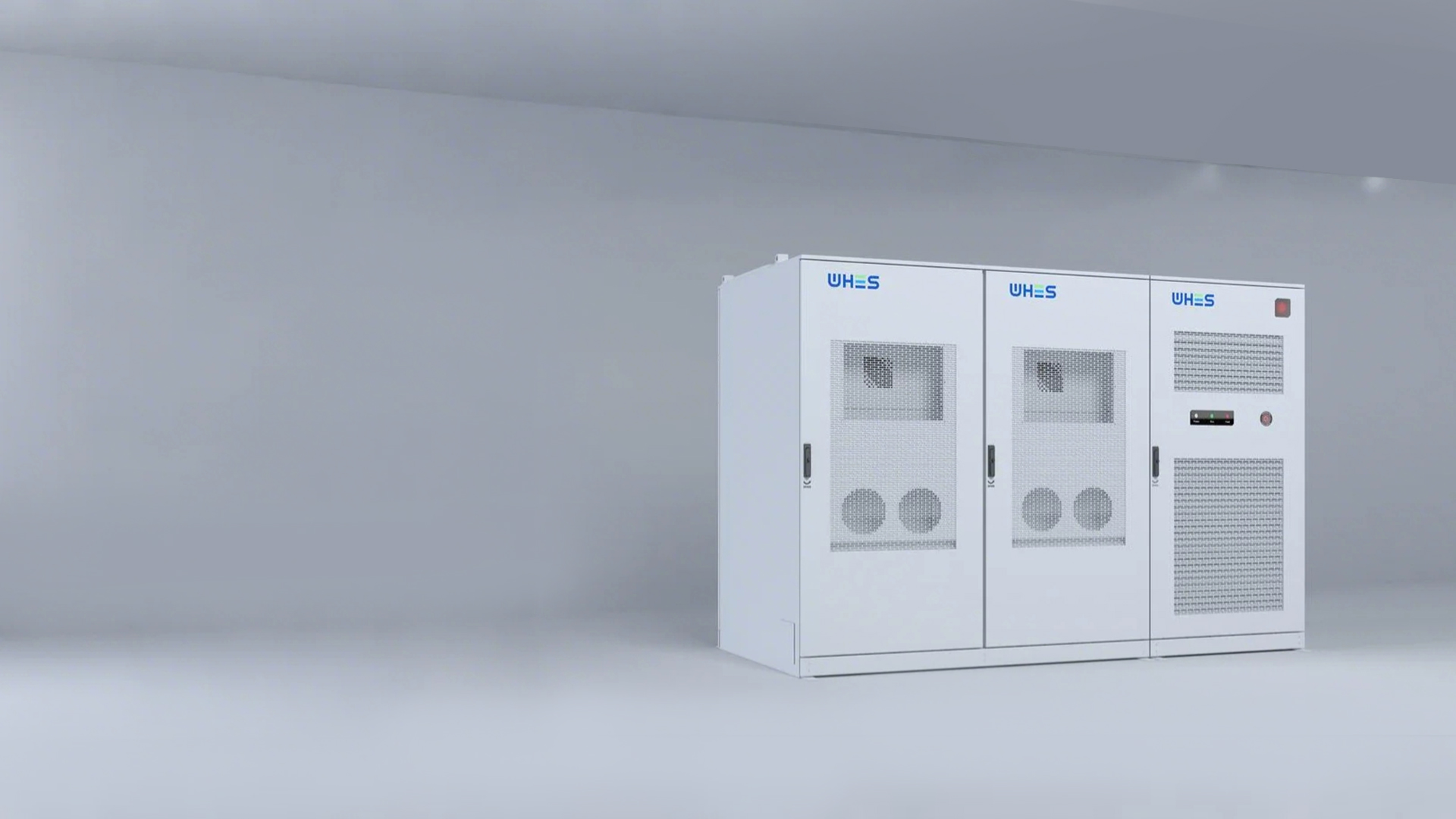
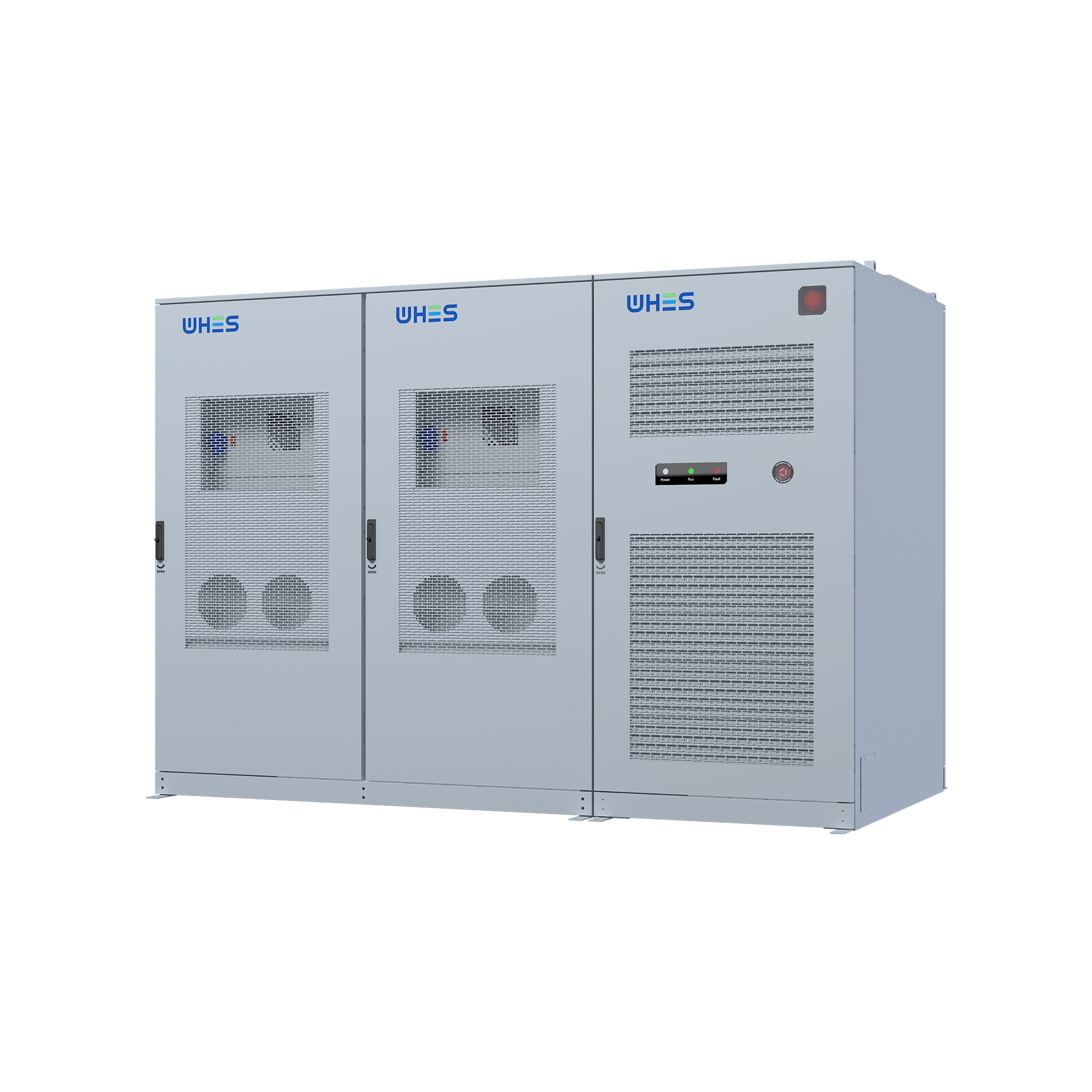
Pick hardware that supports flexible SoC/DoD policies. A modular ESS design lets you isolate failed modules, scale capacity, and apply software-driven SoC limits without forklift interventions. Modular systems also simplify maintenance windows and reduce site-by-site variability — a huge win when managing large fleets. Prioritize units with robust thermal management and clear telemetry APIs to avoid integration headaches.
Common mistakes and practical fixes
Teams often trip over three recurring errors: inconsistent SoC policies across sites, insufficient telemetry granularity, and ignoring ambient effects on degradation. Fixes are straightforward:
- Standardize SoC/DoD profiles by customer segment to reduce operational complexity.
- Mandate minimum telemetry and sampling rates during procurement.
- Factor ambient temperature and exposure into DoD limits — shaded, cool installations age differently than rooftop units in direct sun.
These changes cost little but compound quickly across a fleet — think fewer warranty claims and steadier performance. —
How to validate and iterate
Run staged pilots with clear KPIs: cycle counts, average DoD, unexpected outages, and service revenue per unit. Compare conservative vs. aggressive SoC/DoD strategies over 6–12 months and use results to refine your lifecycle models. When scaling, maintain a feedback loop between operations and procurement so new purchases reflect lessons learned on degradation profiles and field dispatch patterns.
Real-world anchor and EEAT mode
After the Texas 2021 crisis, several fleet operators revised SoC minimums for winter readiness — a practical example of policy reacting to real events. This article uses a practitioner EEAT mode: actionable, experience-driven guidance anchored in widely recognized grid events and operational best practices rather than abstract theory.
Closing advisory: three golden rules for fleet SoC/DoD strategy
1) Measure before you optimize — ensure consistent telemetry and a baseline dataset. 2) Align policy with promise — backup sites deserve higher SoC reserves; revenue sites can accept deeper DoD within modeled lifecycle limits. 3) Choose modular hardware with open telemetry and adaptive controls so strategy changes don’t become capital projects.
Deploying this framework helps you protect asset value while unlocking revenue across markets — and for fleets that want both reliable backup and commercial flexibility, the practical value of a modular, software-enabled approach becomes clear. For operators evaluating real-world solutions, WHES brings that combination of modular design and fleet-ready controls into the conversation. —