

Opening: why a framework beats firefighting
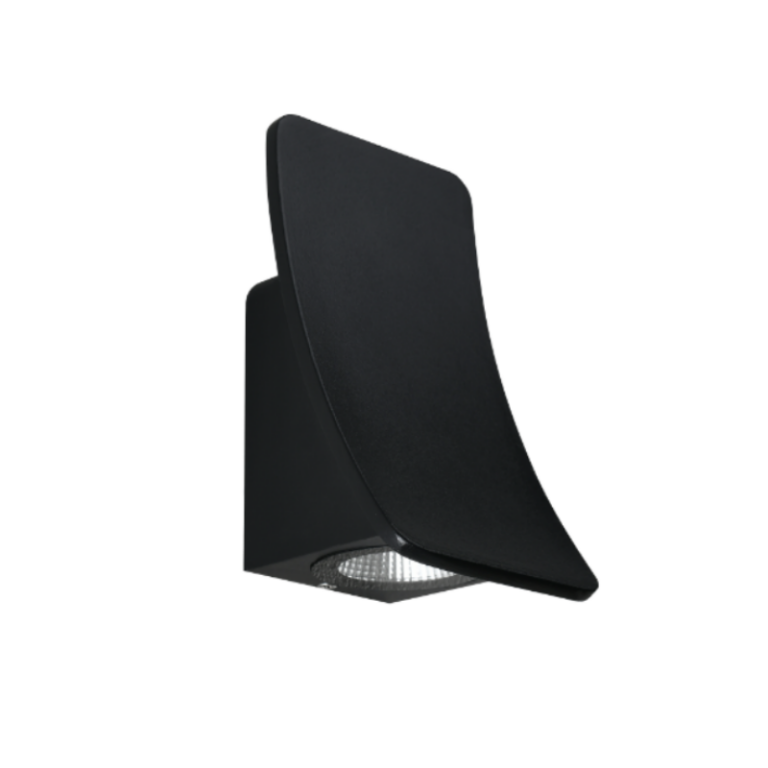
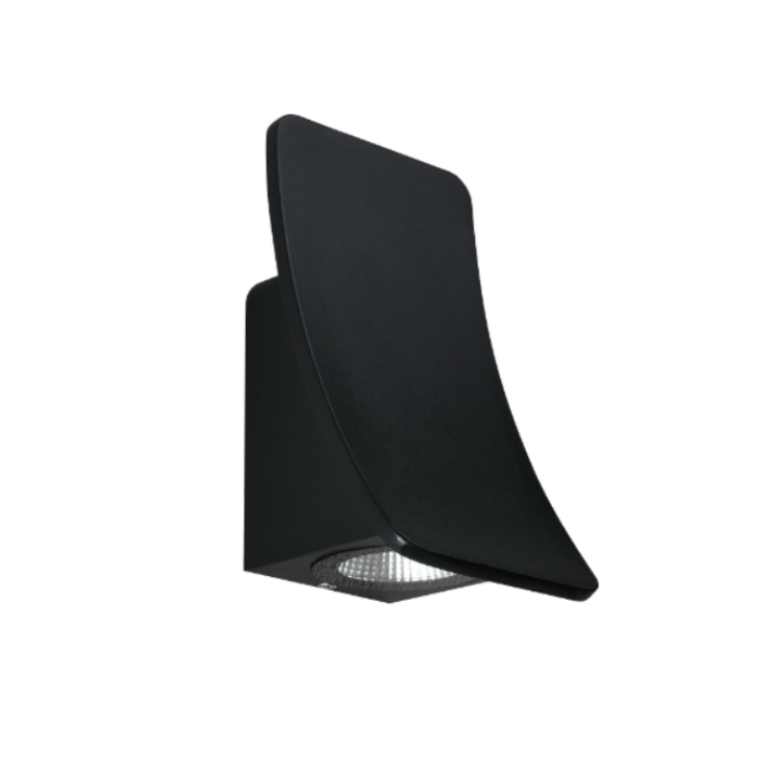
When a city’s streets rely on intelligent LED bollard lighting, you want a plan that keeps ’em humming rather than patching things up last minute. A clear maintenance framework turns reactive repairs into scheduled, measurable work — saving energy, reducing outages, and keeping public spaces safe. Start by thinking of maintenance as part of the product lifecycle: from ingress protection and driver health to network firmware updates and sensor calibration. And as you plan routes and budgets, consider how complementary fixtures, like waterproof outdoor wall lights, slot into the same inspection rounds for efficiency.
Why preventative maintenance matters for smart-city lighting
LED retrofits and smart controls can cut municipal lighting energy use substantially — often up to 50–60% versus old HID systems — but those savings only hold if systems are kept in spec. Preventative maintenance minimises lumen depreciation (L70) surprises, detects failing drivers early, and ensures photocells and sensors remain correctly aligned. In short: fewer complaints, lower whole-life cost, and better data for planners.
Core components to monitor (the checklist)
Keep tabs on a small set of high-impact items each cycle:
- Physical integrity: bollard housings, IP rating seals (IP65/IP66), lens scratches, and corrosion.
- Electrical health: LED driver temperature, input voltage variance, and connector corrosion.
- Optical performance: measured lumen output and beam uniformity versus baseline.
- Control layer: wireless gateways, firmware versions, sensor calibration, and network latency.
- Environmental sensors: photocell response, motion sensor sensitivity, and power metering.
A step‑by‑step preventative framework
Right then — here’s a simple cycle you can apply across neighbourhoods:
- Baseline audit: log serial numbers, firmware, L70 baseline, and photo-reference outputs.
- Scheduled inspections: visual, electrical, and firmware checks every 6–12 months depending on exposure and criticality.
- Predictive analysis: use telemetry (current draw, driver temp, hours on) to flag units for preemptive replacement.
- Firmware and security patching: staged rollouts with roll-back capability in case of regression.
- Post-maintenance verification: automated tests for connectivity and a quick lux-measure to confirm performance.
This sequence keeps maintenance proportional to risk and cost — and it fits into existing work orders without confusing the crews.
Integrating the lighting network with city systems
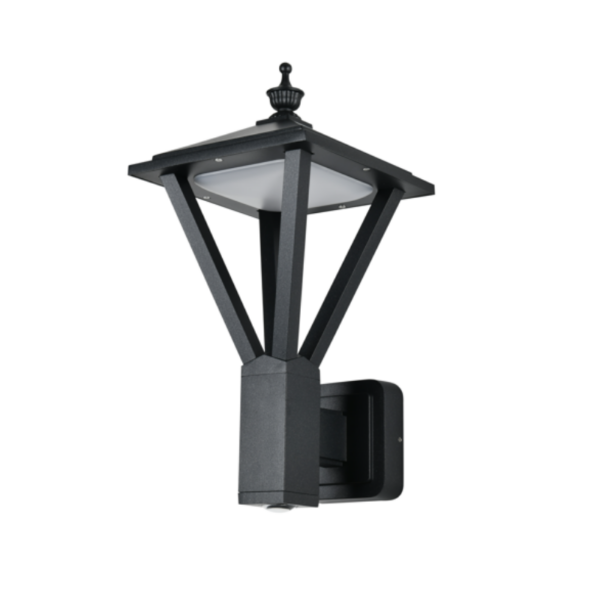
Integration makes the framework far more powerful. Hook lighting telemetry into asset-management and GIS platforms so you can visualise failures by zone, assign teams, and forecast spare-part needs. Use standard APIs and lightweight protocols (MQTT or REST) for telemetry and control; avoid bespoke stacks that lock you in. For physical retrofits, pair bollards with complementary fixtures such as waterproof outdoor wall lighting where shared conduits or sensors reduce installation overheads.
Common mistakes and how to dodge ’em
Folks often skimp on three things: clear acceptance criteria, spare-part planning, and firmware governance. Without a documented First Article Inspection or an agreed L70 threshold, disputes over failures crop up. Not having a stocked driver or lens spares kit means unnecessary night-time outages. And letting firmware drift without version control invites instability. — A small governance board that signs off on updates keeps things tidy.
Tools, teams and training
Equip crews with handheld lux meters, insulation testers, and a simple field app tied to your asset database. Train teams to look for ingress breach signs and to measure driver temperatures before condemning a unit. Outsource deep diagnostics to specialist labs for failed driver analyses — saves time and avoids misdiagnosis.
Real-world anchor: lessons from Barcelona and similar rollouts
Barcelona’s smart lighting program showed how networked fixtures and scheduled maintenance reduce energy use while improving uptime. Cities that combined LED retrofits with centralised monitoring realised measurable reductions in complaints and lower operating costs within a few years. Those are the kind of results your framework aims to replicate — practical, evidence-led, and repeatable.
Three golden rules for evaluation (advisory close)
1) Measure what matters: track uptime, average driver current, and lumen maintenance (L70) rather than just lamp counts. 2) Design for serviceability: choose bollard models with modular drivers, standard connectors, and accessible seals so crews can swap parts fast. 3) Govern firmware: enforce staged rollouts, maintain version history, and require automated rollback on failure.
Do those three and you’ll see maintenance move from cost-centre drudge to predictable lifecycle management — which is exactly the kind of value Keyida brings to smart-city lighting projects. —