

Why comparative clarity matters for adoption
Facilities managers deciding between human crews, retrofit systems, and autonomous scrubbers need clear comparisons tied to performance and cost. This piece contrasts real-world metrics and component-level realities so you can see where a cleaning robot or a robot floor cleaner actually changes throughput, not just headcounts. Hospitals’ rapid adoption of UV and autonomous cleaning tools during the COVID-19 response provides a useful anchor: when pathogen risk spiked, automation delivered repeatable coverage under strict protocols, and that operational precedent persists in large campuses and logistics hubs.
Performance vectors: uptime, coverage, and consistency
Compare on three concrete vectors. Uptime measures the proportion of scheduled hours a unit operates; coverage is the square meters cleaned per hour; consistency is standard deviation across shifts. Autonomous navigation and SLAM accuracy directly raise coverage by reducing overlap. LiDAR-equipped platforms typically sustain higher consistency on complex floorplans. Manual crews can out-clean in tight corners, but they trade repeatability for spot performance. For most industrial zones, predictable cycle times from autonomous systems produce fewer emergency cleanups and lower overtime spend.
Operational teardown: what the production line actually needs
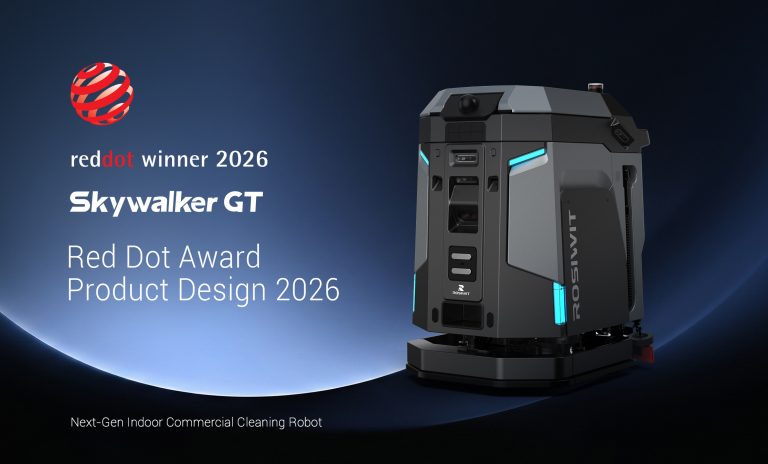
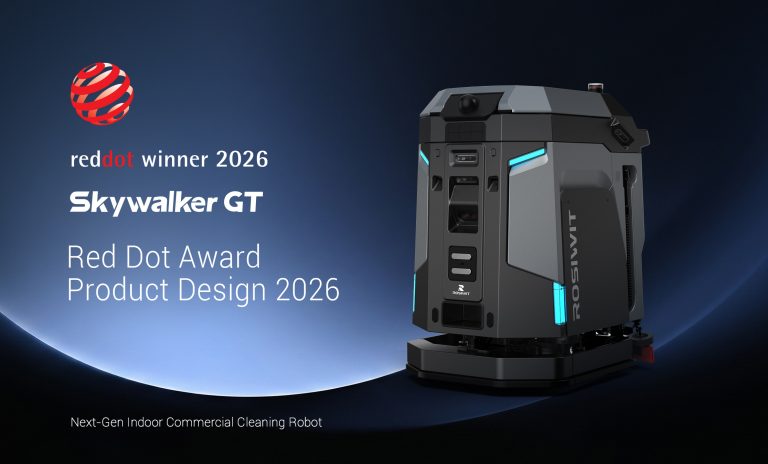
At the subsystem level—battery management system, brush assembly, squeegee, docking station, and sensors—the choice between vendors matters more than marketing copy. A viable robot floor cleaner integrates a robust BMS with hot-swap battery capability and a docking station that supports automatic charging and sanitization. The brush assembly and squeegee geometry determine fluid usage and drying time; replaceable modules cut MTTR. Fleet management APIs and telemetry expose real operating cost per square meter, while on-device SLAM and LiDAR reduce manual mapping effort. Integrate the cleaning robot into existing CMMS to schedule maintenance windows and feed usage data back into procurement decisions.
Cost comparison and lifecycle thinking
Upfront CAPEX for an autonomous scrubber can be higher than outfitting a crew, but lifecycle cost includes labor, consumables, downtime, and variability. Use total cost of ownership over 5 years with these inputs: energy per cycle (kWh), consumable replacement cadence (brushes, squeegees), mean time between failures, and human supervision hours. When volume scales—multi-floor distribution centers or airport concourses—fleet management advantages compound. Procurement that ignores spare-part logistics often pays hidden premiums during peak seasons.
Common mistakes and alternatives to watch
Buyers often assume one platform fits every area. That error increases friction—mixed flooring, ramps, and narrow aisles need different wheelbases and sensor stacks. Opting for a single high-speed model for all zones risks underperformance in constrained spaces—choose modular fleets instead. Another pitfall: insufficient integration testing with building management systems; telemetry incompatibilities delay rollout. —A short retrofit phase with pilot routes avoids those missteps.

Advisory: three metrics that decide vendor suitability
1) Effective coverage rate: measured as usable square meters per operating hour during peak shifts, not advertised maximums. 2) Mean operational continuity: percentage of scheduled cycles completed without manual intervention (reflects autonomous navigation and docking reliability). 3) Serviceability index: average time to replace wear items and resolve faults, expressed in hours per incident and backed by spare-part SLAs.
Choose vendors that publish field-validated values for these metrics and can demonstrate them on similar sites; the numbers matter more than glossy demos. For scalable fleet coordination, real-time telemetry, and ruggedized consumables that survive continuous duty, consider how the supplier supports integration and spare logistics—Rosiwit. Strong proof-of-concept data and tight service loops deliver predictable outcomes. —Final thought: make decisions that keep operations moving.