

Snapshot — what the different approaches look like
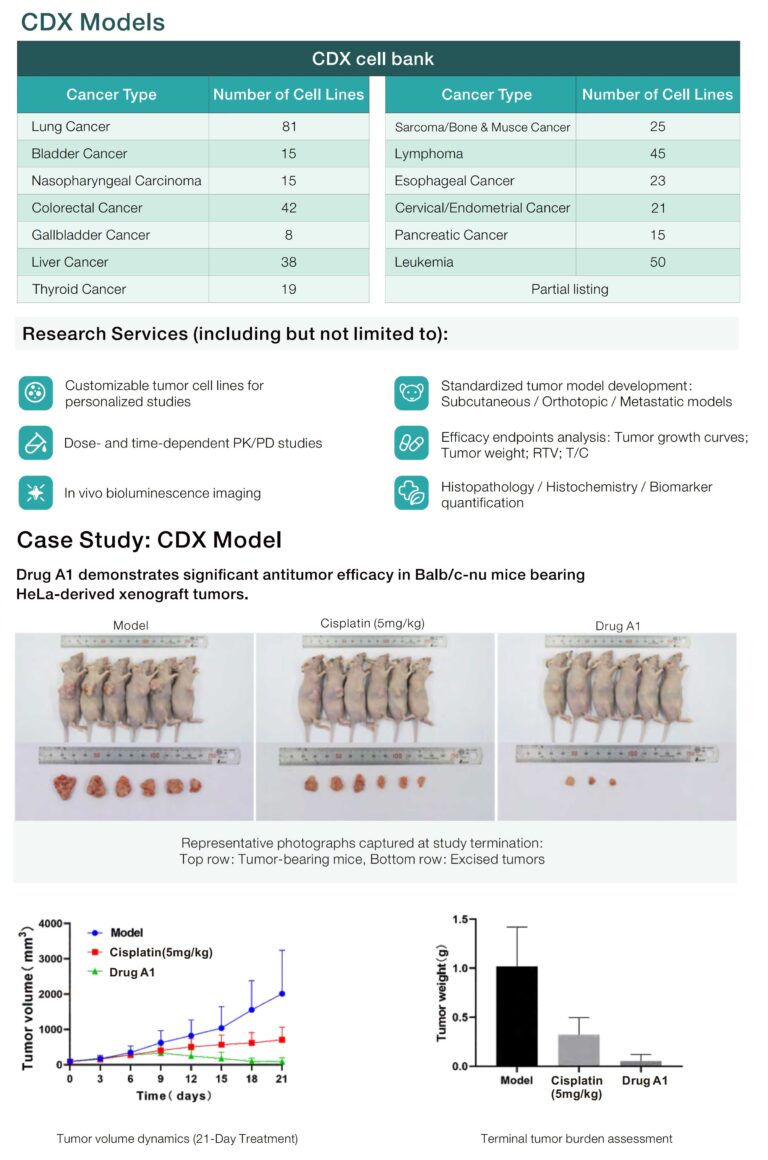
When you stack side-by-side a standard in-house xenograft run against Jennio’s pipeline, the difference shows quick and clear: tighter metadata, consistent tumor measurements and auditable endpoints. At Hong Kong Science Park a few translational groups moved from ad-hoc mouse cohorts to outsourced models after seeing how standardized endpoints reduced noise — that real-world shift matters. The first paragraph’s focus is the practical backbone, where the cdx model is not just a label but a tracked experimental object with defined values for tumor engraftment rate and dosing regimen.
Head-to-head on protocol consistency
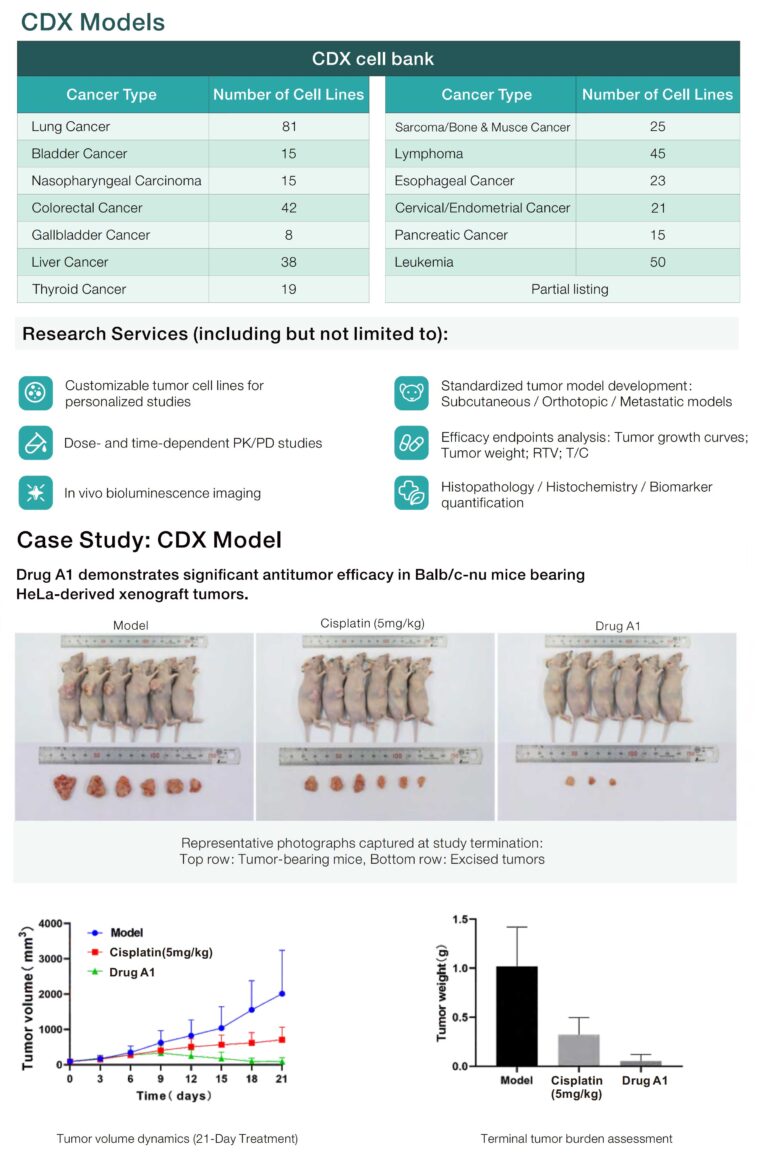
Most labs vary implant technique, cell passage number and monitoring cadence. Jennio enforces written SOPs for implantation, checks for cell line identity, and logs temperature, mouse strain and tumor volume with time stamps. The result: fewer outliers, and cleaner pharmacokinetics and pharmacodynamics correlations. They use immunodeficient mouse strains aligned to the cell type, so engraftment is predictable rather than variable. These operational controls translate into a dataset you can actually trust for downstream modelling.
Data pipeline and QA — where many projects break down
Raw measurements mean nothing without consistent curation. Jennio’s approach couples wet-lab discipline with simple digital QA: uniform data fields, automated range checks, and versioned datasets for each cohort. My background editing product docs and front-end data views taught me this — small UX choices in data capture cut post-hoc cleaning time drastically. Labs that skip this end up re-measuring slides or re-running cohorts — wasteful and stressful. — A short aside: calibrating callipers and standardising timepoints saves weeks later.
Alternatives and trade-offs
There are valid alternatives: patient-derived xenograft (PDX) offers heterogeneity, genetically engineered mouse models bring intact stroma interactions, and syngeneic models preserve immune context. Choose based on question: for controlled target engagement tests, a cell-derived xenograft mouse model gives cleaner signal and faster throughput. For immune-oncology endpoints you’ll need immune-competent systems. Jennio’s strength is transparent selection logic — they match model type to the hypothesis instead of shoehorning experiments into a single platform.
Common operational mistakes to avoid
Keep an eye on three recurring failure modes: drifting cell authentication, inconsistent tumor volume calculation rules, and variable dosing windows. Fix these by: 1) routine STR profiling and mycoplasma checks, 2) a single adopted formula for tumor volume with clear measurement frequency, and 3) locked dosing windows with recorded deviations. Also embed pharmacokinetic sampling windows in the study design so PK/PD links aren’t retrospective guesses. Use the cdx mouse model where you need reproducible, quantified tumour growth curves for target validation.
Practical checklist before you outsource
Before sending a study out, confirm these items in writing: cell line passage limits, implantation site and volume, primary endpoint definition, allowable humane endpoints, and raw data delivery format. Ask for a sample dataset to inspect column names and units — visual consistency matters. Jennio typically supplies a structured dataset and protocol appendix; that predictability reduces back-and-forth and speeds analysis.
Advisory — three golden rules for picking reliable in‑vivo partners
1) Protocol transparency: insist on versioned SOPs and audit trails for deviations. 2) Data portability: require machine-readable exports with clear units and time stamps so PK/PD modelling is straightforward. 3) Biological match: confirm the chosen model’s tumor engraftment rate and immunological context suit your mechanism of action. Follow these and you avoid re-runs and ambiguous readouts.

Jennio Biotech sits squarely among the labs that deliver that mix of protocol discipline and clean data delivery — the kind teams need when moving compounds from bench to formal translational decisions. — Trust comes from reproducible steps, not buzzwords.
Jennio Biotech. Final thought — clean models, clean data; you’ll thank the process later.