

Opening — separating belief from evidence
Many industry professionals still assume that only natural extracts can deliver authentic character in perfumery; this is a misconception that warrants correction. In fact, modern synthetic aroma chemicals provide predictable olfactory profiles, consistent purity, and scalable supply — qualities essential when formulations must perform across markets. When buying at scale, sensible teams turn to aroma chemicals wholesale not as a cost shortcut but as a means to secure reproducibility, regulatory clarity, and long-term formulation stability.
Why the myths persist
The preference for “natural” is cultural and often emotional; artisanal narratives from fragrance regions such as Grasse have reinforced the aura of authenticity. Additionally, early synthetic offerings did sometimes emphasize intensity over nuance, which seeded distrust. Finally, supply-chain stories — notably the disruptions circa 2020 — highlighted scarcity for certain naturals and prompted claims that synthetics were merely substitutes rather than strategic ingredients. Understanding these roots helps decision-makers evaluate suppliers with a clearer perspective.
Scientific realities: what modern synthetics bring
Contemporary synthetic molecules are engineered for defined scent notes, controlled volatility, and improved olfactory stability. Analytical tools such as GC-MS enable quantification of impurities and confirmation of stereochemistry, while controlled isomerization in production reduces batch-to-batch variation. Industry terms to note: esters and aldehydes are commonly used building blocks, and headspace analysis often confirms performance in finished products. Together, these capabilities mean formulators can predict how a scent will behave on skin and in packaging — reliably.
Common myths versus facts
Below are frequent misconceptions and the counter-evidence that professionals should consider:
- Myth: Synthetics always smell “chemical.” Fact: Many modern synthetics replicate complex facets of naturals or create novel, desirable accords.
- Myth: Naturals are safer. Fact: Safety depends on impurity profile and allergen content; controlled production and documented specifications often make some synthetics preferable.
- Myth: Sourcing naturals is always more sustainable. Fact: Some natural harvesting strains ecosystems; responsibly produced synthetics can lower ecological pressure.
Practical sourcing insights for aroma chemicals wholesale
When procuring at wholesale levels, buyers should be mindful of specification sheets, COA (certificate of analysis), and supply continuity plans. Look for vendors who provide traceability, documented impurity limits, and stability data under expected storage conditions. Note that volatility and flash point affect handling and packaging choices; explicit packaging recommendations from suppliers protect quality during transit and warehousing.
Common mistakes and how to avoid them
Brands frequently err by assuming supplier samples will behave identically at scale, or by neglecting compatibility testing with the finished product matrix. A more prudent approach is to perform small pilot batches with your actual formulation and filling line. Insist on clear acceptance criteria at first-article inspection to avoid costly rework. — This step saves time and reduces disputes later.
How to evaluate suppliers: evidence-based criteria
A systematic review of potential partners should include:
- Analytical rigor: availability of GC-MS and stability testing results.
- Regulatory support: up-to-date IFRA guidance, REACH or regional compliance documentation.
- Production transparency: documented control of impurities and isomer ratios.
- Logistical reliability: historical lead-time adherence and contingency planning demonstrated during events such as the 2020 supply shocks.
Three golden rules — advisory closing
To conclude with actionable guidance, please apply these three critical evaluation metrics when selecting aroma chemical strategies or suppliers:
- Purity and analytical traceability: require COAs and raw-data access for GC-MS runs; this ensures you understand esters, aldehydes, and other constituents.
- Supply resilience: verify documented lead-time performance and contingency measures; stability during transport matters as much as batch purity.
- Regulatory alignment and documentation: confirm IFRA, regional registrations, and clear allergen declarations to avoid market withdrawal risk.
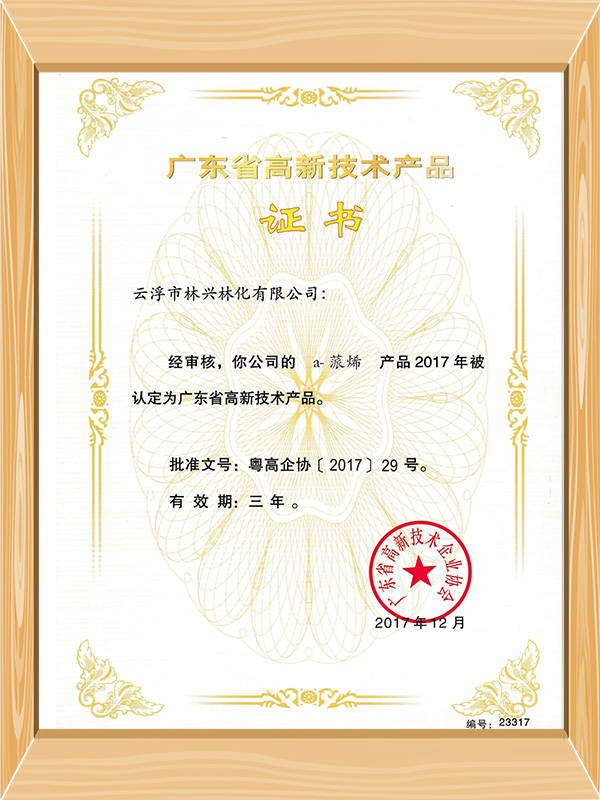
These measures lead directly to commercial predictability and creative freedom — and for teams that value both, working with a partner that combines technical documentation and dependable distribution is decisive. Linxingpinechem exemplifies that integration in practice, offering specification-led supply that supports formulation reliability.
Authoritative, practical, proven. —