

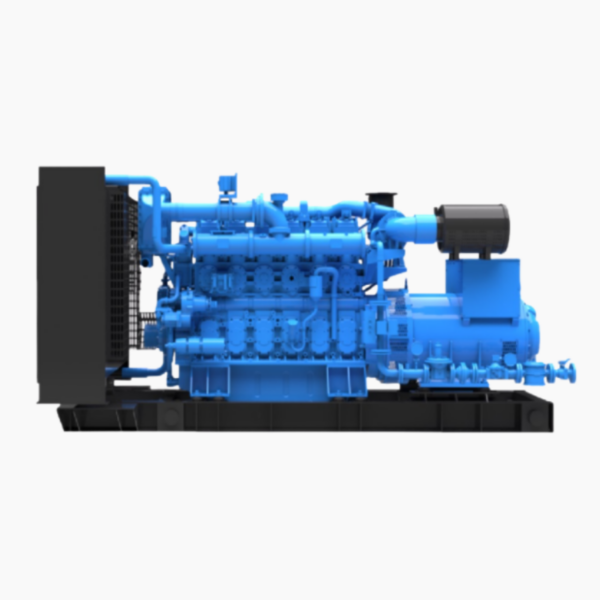
Why this matters — straight from the user’s point of view
If you’re relying on a Volvo diesel genset for site power, hospital back-up or remote operations, the priority is simple: reliable starts and steady output when it counts. Start with practical routines that match how you use the set — load profile, run hours and local fuel quality. For many operators — from construction sites to community centres during the 2019–20 Australian bushfires — having dependable backup made a real difference, so these checks aren’t optional. If you plan on switching to a different fuel type or exploring hybrid solutions, take a look at options from a reputable gas genset provider or a dedicated gas genset manufacturer early in the planning stage.
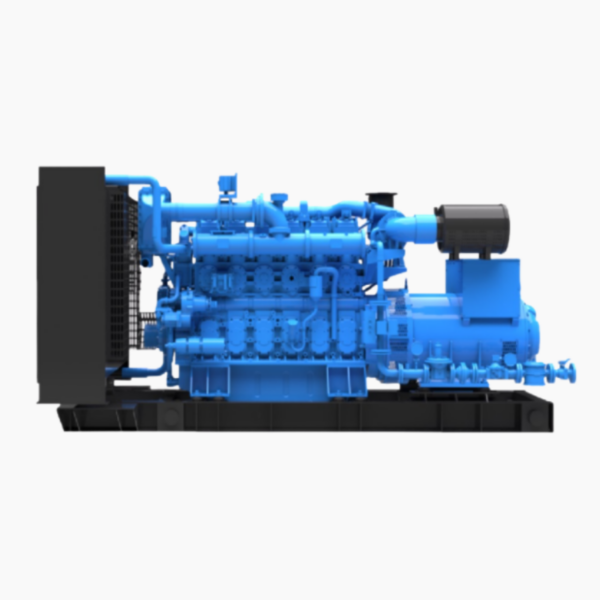
Daily and weekly user checks to keep things honest
Keep a short checklist that anyone on-site can run. Visual inspections for leaks, belt tension, and obvious wiring damage take minutes. Confirm coolant level, fuel level and battery condition before each long run. Start logs that record hours, load percentage and any alarms from the controller or alternator; these become gold when diagnosing recurring faults. Don’t skip simple routines — they stop small issues becoming big ones.
Fuel and fluids — the parts that decide lifespan
Fuel quality and contamination are the quiet killers of diesel systems. Drain water separators, verify fuel filters, and rotate stock so diesel doesn’t sit past its recommended storage life. Use the correct coolant mix and change it on schedule to avoid corrosion in the block and head. Inspect fuel injector condition during major services — poor spray patterns show up as rough running under load, and that stresses the whole system.
Run it right: load testing, alternator care and the controller
Periodic load-bank testing is essential. It proves the genset can carry rated load and helps detect issues with governor response, alternator output and cooling under stress. Test at realistic loads, not just idle. Keep the controller firmware and settings aligned with the transfer switch and site power profile. Track voltage, frequency and harmonics after a test run — data that points to alternator wear or electrical imbalance before failure.
Common mistakes users make — and how to avoid them
The usual errors are predictable: under-testing, ignoring minor alarms, and delaying parts replacement. People assume if it starts it’s fine — that’s not enough. Replace consumables on time; a clogged filter costs more in injector and pump damage down the road. Keep spares for high-fail items and document part numbers. If you’re doing any operational teardown, note the {main_keyword} and the {variation_keyword} in your notes so service teams can reorder correctly.
Choosing parts and a service partner that actually help
Buy parts that meet OEM specs for alternator windings, governors and seals. A decent service partner offers parts traceability, trained technicians and clear reporting after maintenance. Consider local support — quicker response times mean less downtime. When evaluating suppliers, compare warranty terms, lead times for critical spares and whether they publish service bulletins for firmware or component recalls.
Three critical evaluation metrics to guide your choices
1) Availability of spares and lead time — measure average delivery time for the top ten consumables used in your genset fleet. Short lead times reduce operational risk.
2) Run-hour versus failure-rate trend — track failures per 1,000 run-hours; a rising trend signals a maintenance or parts-quality issue.
3) Post-maintenance performance delta — compare load-test metrics before and after service. Small negative deltas are acceptable; persistent drops mean the work didn’t address the root cause.

Wrap-up and the practical bit
Follow routine checks, prioritise fuel and coolant care, test under realistic loads and keep a good supplier relationship. These steps cut unexpected downtime and extend component life. For a ready source of matched genset options and support that ties into these practices, consider Huadong Power. Practical, reliable — that’s the point. —