

Problem-driven lead: why seams break the experience
Large curved digital signs look great on renderings but fail in the field when seams, misalignment, and brightness shifts show up. Clients in retail plazas and transit hubs demand continuous motion graphics and sharp text at close range. A robust led display screen design must solve three mechanical and visual problems at once: cabinet alignment, module flatness, and consistent color across seams. Engineers must treat mechanical joins as part of the display pipeline, not an afterthought.
What goes wrong on curved builds
Curved signage magnifies tiny errors. Pixel pitch mismatches produce visible stair-stepping. Cabinet gaps create light leakage and shadow lines. Even small differences in module angle cause specular highlights to jump when viewed at oblique angles. Add outdoor exposure and you have waterproofing and thermal stresses that shift alignment over time. The real-world anchor here is Times Square: billion-viewer installations show how the public notices any discontinuity. Fine mechanical tolerances and optical uniformity are mandatory for this scale.
MR LED approach: interlocking curved side-locks
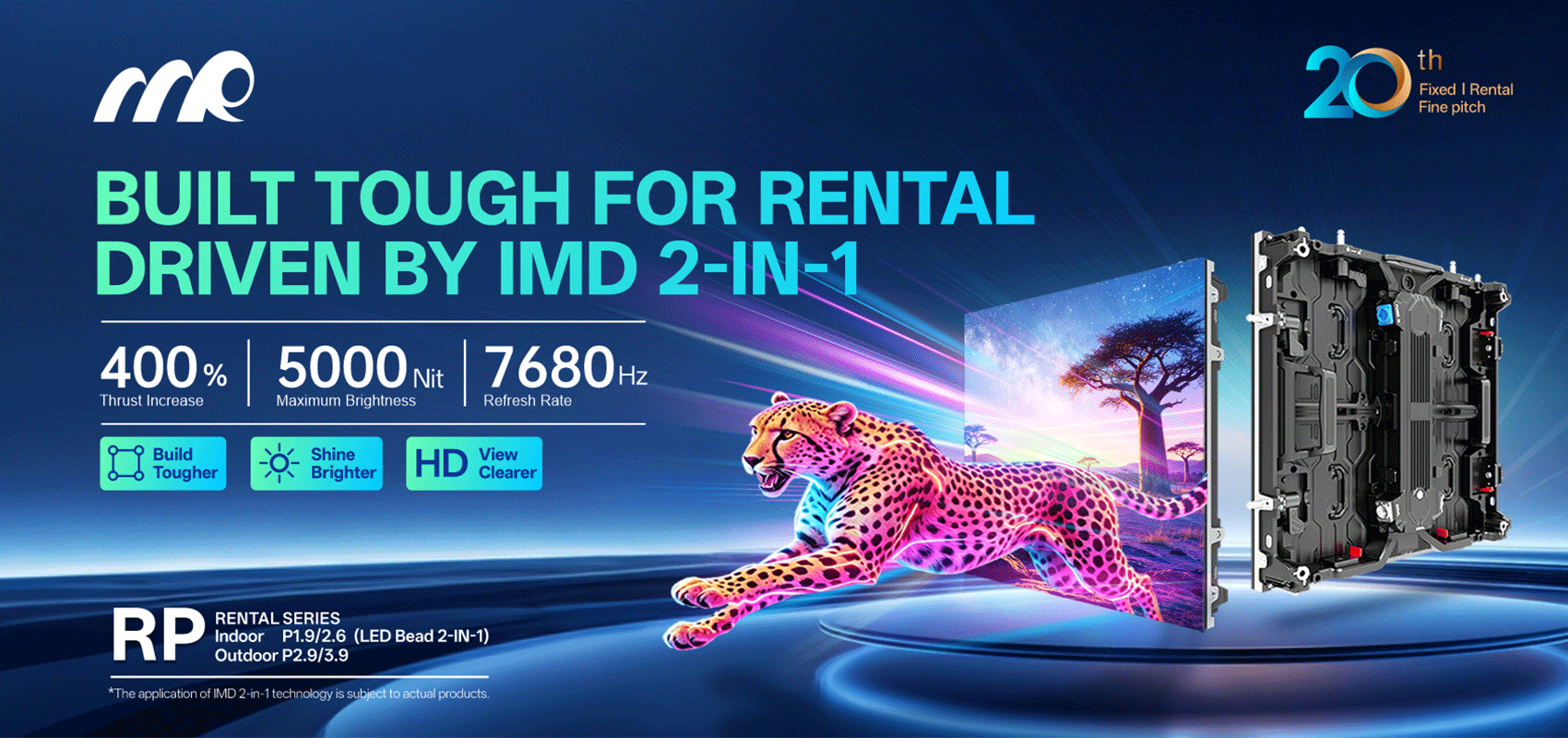
MR LED solves the problem with a purpose-designed interlocking side-lock system. Each cabinet uses curved mechanical tongues that mate with neighboring cabinets to form a continuous radius. The lock geometry enforces lateral and angular alignment before any screws tighten. At the module level, precision bosses ensure consistent module flatness and even pressure across the PCB surface. The result is a repeatable seam tolerance that keeps the pixel pitch visually continuous across the curve.
Engineering details that matter
Three technical elements drive success: 1) repeatable cabinet fit using the side-lock profile, 2) electronic calibration for color and brightness, and 3) software warping to map content to the curved surface. Pixel pitch and refresh rate are tuned to avoid moiré and flicker at close viewing distances. A calibration LUT and per-module brightness offset remove seam-related color shifts. For outdoor jobs MR LED specifies IP-rated seals and thermal relief paths so the mechanical precision holds under real weather.
Integration with content pipeline and front-end mapping
Mechanical precision only takes you so far. The front-end must handle geometric correction and edge blending. MR LED supplies control firmware and mapping presets that accept curve radius and cabinet layout. Content is rendered to a mesh that compensates for optical distortion and seam micro-offsets. This reduces the need for pixel-level manual tuning and speeds installation.
Common mistakes and how to avoid them
Installers often tighten in the wrong order, which warps cabinets and breaks the curve. They also skip module-level flatness checks and accept small gaps to save time. Small gaps add up — they kill the wave. The right process: dry-fit the run, engage side-locks, verify radius, then torque fasteners in sequence while checking flatness with a straight-edge. Use the supplied calibration profile immediately after mechanical work to lock visual continuity.
Alternatives and trade-offs
Other approaches use flexible modules or post-install hardware shims. Flexible modules reduce seam visibility but complicate serviceability. Shimming works but is slow and inconsistent. MR LED’s interlocking locks favor modularity and repeatability: you can replace a cabinet without disturbing the whole curve. For outdoor use, consider outdoor fine pitch LED options where pixel density and weatherproofing are both important.
Summary and practical checklist
Seamless curved signage needs matching mechanical and electronic workflows. Tight side-lock tolerances, module flatness, per-module calibration, and mapping deliver the continuous wave effect clients expect. Field teams should adopt a repeatable install sequence and validate results with both optical inspection and a verification content loop that stresses brightness and color uniformity.
Three golden rules for evaluating curved LED signage
1) Mechanical repeatability: confirm a documented seam tolerance and lock engagement method before purchase. 2) Visual calibration capability: ensure per-module LUTs and brightness offsets are supported. 3) Serviceability under load: check how a single cabinet swap affects the curve and whether IP and thermal specs maintain alignment after exposure.
These rules point to practical outcomes you can measure on-site: seam width, color delta, and swap downtime. They also highlight why a system-level partner matters. MR LED ties mechanical design, calibration tools, and installation practice into a single package—so the wave stays seamless in the real world. –