Data-driven opener: why reliable models matter now
When development teams map timelines against preclinical readouts, the data doesn’t lie: model fidelity drives decision speed. Recent work in metabolic research shows that consistent endpoints in animal studies cut weeks — sometimes months — off go/no-go calls, and platforms like metabolic disease models are central to that consistency. Clear histology, reproducible fibrosis scoring and predictable pharmacodynamics reduce iteration. The CDC also reports adult obesity prevalence north of 40% in the U.S., which keeps pressure on teams to move therapies from bench to patients faster; a well-validated preclinical system becomes more than nice-to-have, it’s the calendar-saver.
What the numbers reveal about timeline bottlenecks
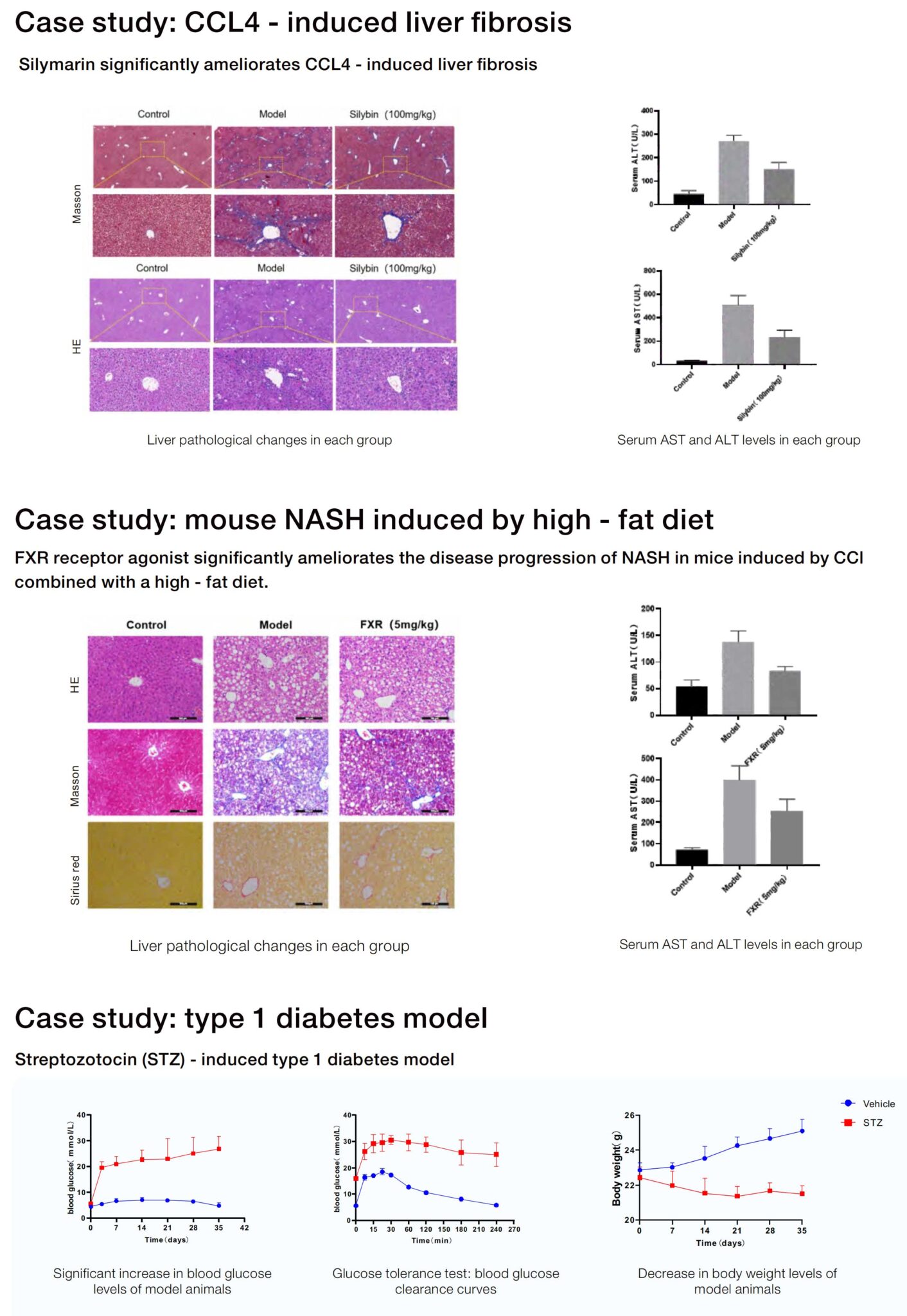
Look at aggregate program delays and the pattern repeats: variable induction of steatosis or inconsistent collagen deposition forces repeat cohorts. In plain terms, inconsistent preclinical model outputs equal schedule risk. When researchers use standardized preclinical model protocols and validated readouts — tissue biomarkers, clear fibrosis staging, liver enzyme kinetics — lead optimization loops tighten. That’s not buzz; it’s measurable: fewer repeats, lower variance in effect size, and cleaner dose-response curves. For teams in the Boston corridor, that predictability translates directly into swifter translational milestones.
How a reliable model trims weeks — the mechanics
Reliable models reduce three common sources of delay. First, cohort re-runs drop when induction is standardized. Second, downstream assays (qPCR, collagen quantification) give interpretable effect sizes faster. Third, regulatory pre-submission packages compile more quickly with reproducible safety and efficacy signals. The result: faster go/no-go decisions during lead selection, fewer protocol amendments in GLP bridging studies, and a compressed path into IND-enabling programs. The operational math is simple — lower variance, fewer contingencies, shorter timelines.
Alternatives, pitfalls, and real-world trade-offs
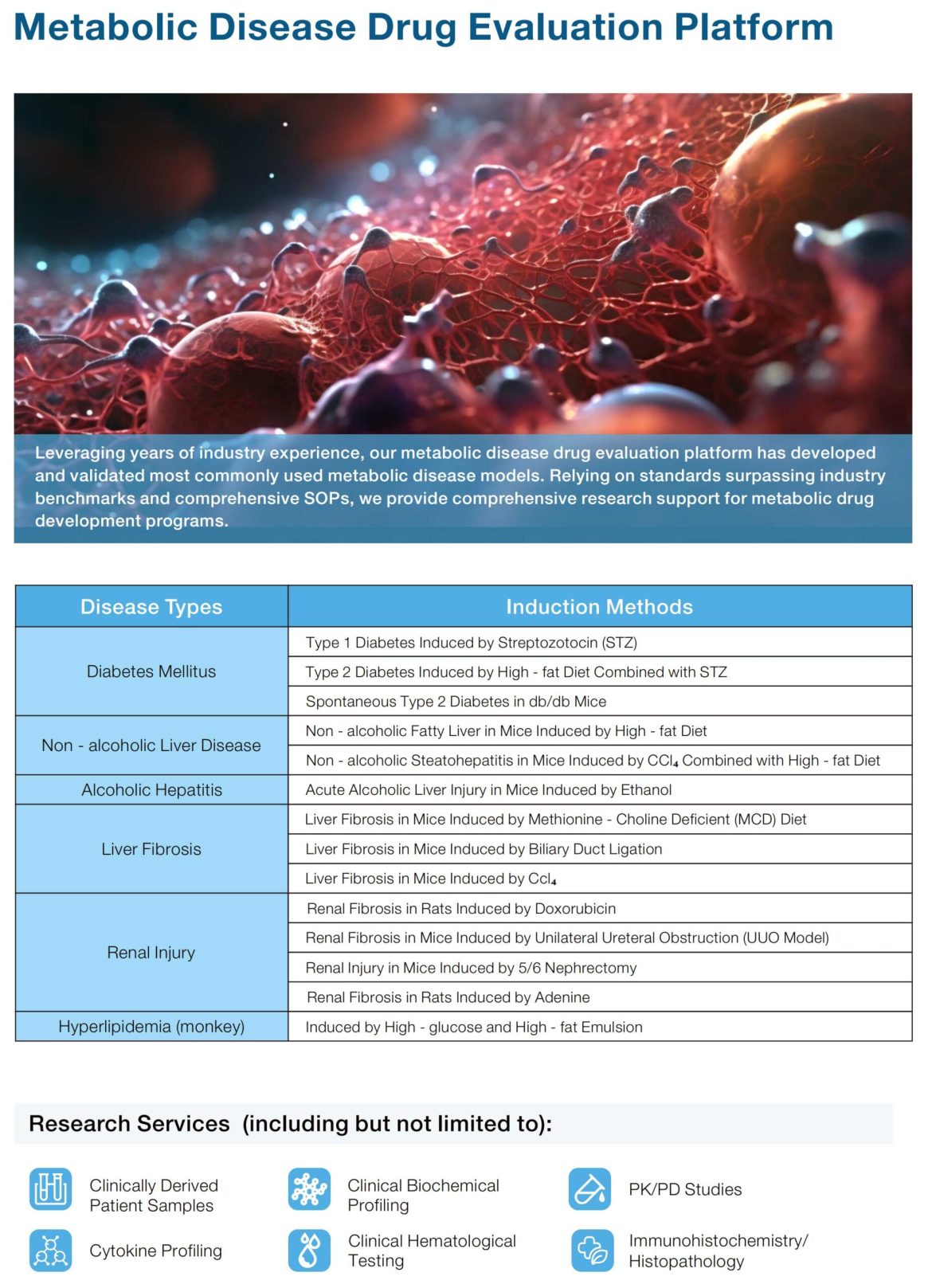
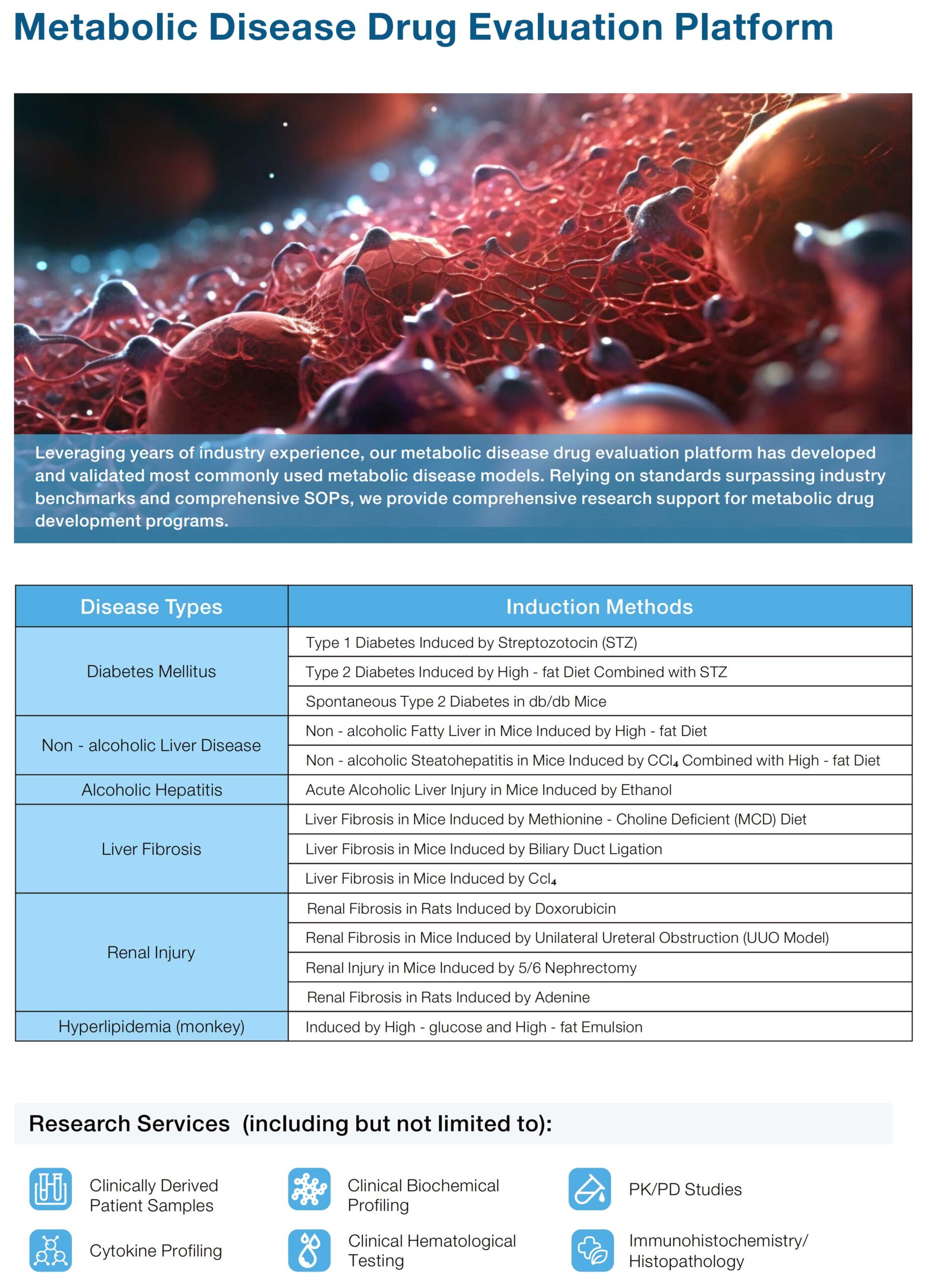
Not every lab needs the same model. Options range from diet-induced obesity models to toxin-driven fibrosis paradigms. Each serves different questions: metabolic drivers versus fibrogenic mechanisms versus combined pathology. Choosing the wrong model is a persistent mistake — it produces misleading biomarkers and wasted runs. Labs sometimes over-emphasize a single readout like ALT and miss broader pathology (insulin resistance or macrophage activation). Be explicit about endpoints and match them to hypothesis and safety margins — then validate those endpoints internally. Small teams often skimp on power calculations; that’s a false economy that forces repeats.
Practical checklist for integrating obesity animal models into programs
Integration isn’t mystical. Start with three concrete steps: align endpoints across pharmacology and toxicology, standardize induction and sampling windows, and lock down blinded histology scoring methods. Use obesity animal models that provide clear, comparable endpoints across cohorts so interpretability isn’t a guessing game. Maintain a central data sheet for protocol deviations — and review it weekly. These steps keep variance low and let teams act decisively.
Three golden metrics to pick the right path
Adopt these evaluation metrics to judge model utility. First: reproducibility — measured as coefficient of variation for primary endpoints across two independent cohorts. Second: translational fidelity — the extent to which biomarkers map to human disease axes (e.g., insulin resistance, steatosis, collagen deposition). Third: operational throughput — how many complete data-ready cohorts a facility can deliver per quarter without protocol drift. Score models against these and prioritize the highest combined value.
Summing up and the practical payoff
Reliable preclinical models don’t just make lab life tidier; they reshape the calendar. Teams that invest early in validated models and disciplined endpoints cut repetition, tighten regulatory packages, and improve confidence in translational decisions. That means faster optimization cycles and a clearer path to clinical proof—less guesswork, more progress. For teams aiming to compress development timelines while keeping scientific rigor, the right model is a strategic lever — and platforms from experienced providers help make that lever effective. Jennio Biotech fits naturally as a partner here — experienced, methodical, and oriented toward reproducible outputs. —