

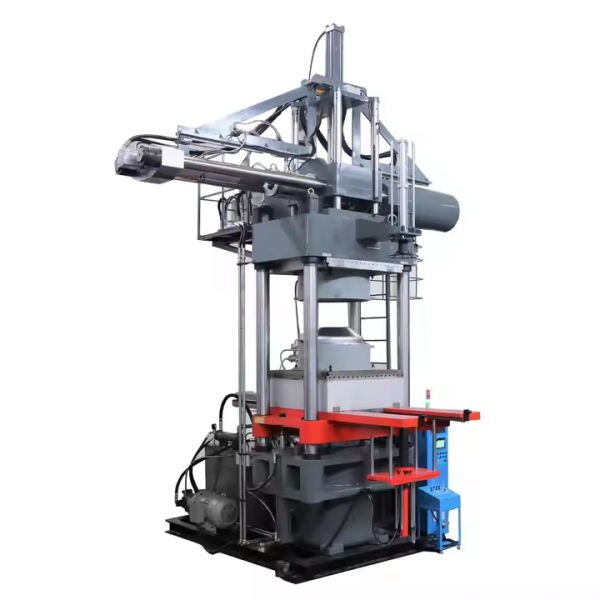
The immediate problem on the shop floor
Idle time in a rubber injection molding cycle quietly becomes a production risk: partial vulcanization in the barrel, cold flow in the mold, and sticky flash that ruins parts. For teams running bladder and tire components, this is especially brutal — the cure time and mold temperature windows are tight. I’ve watched operators fight this exact issue while tuning custom rubber injection molding lines, and the losses stack up faster than anyone expects.
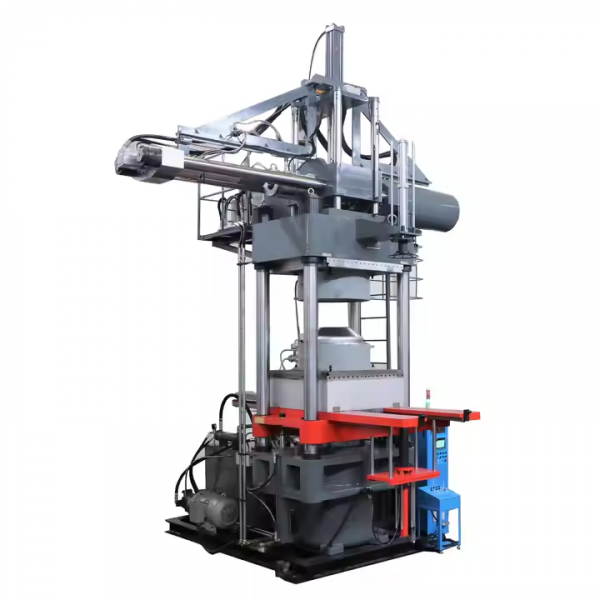
Why idle-phase control matters technically
When an injection unit pauses, heat transfer and pressure change. Resin or compound near the nozzle may begin to scorch; inside the mold, trapped heat can continue cross-linking. Key variables to monitor include mold temperature, injection pressure hold, and cycle time. Small deviations in these parameters shift the cure curve and produce parts that fail inspection or require rework.
Practical control sequences that actually reduce cross-linking
– Pre-emptive temperature staging: lower barrel setpoints by small increments during scheduled stops so the material never sits at activation temperature for long.
– Controlled purge and short-back: a brief, low-pressure purge before long idles prevents dead zones at the nozzle and stabilizes injection pressure when restarting.
– Active mold cooling during idle: circulate chilled water or reduce heater power to keep mold temperature slightly below the critical cross-link threshold.

– Vacuum venting for trapped gases: reduces localized hotspots that accelerate vulcanization in complex cavities.
– Nitrogen blanketing for sensitive compounds: a thin inert layer at the feed throat minimizes oxidative scorch during standstills.
Implementation tips and automation patterns
Build these sequences into the machine PLC as discrete states: RUN, SHORT_PAUSE, LONG_IDLE, and RECOVER. Each state should map to defined setpoints for heater banks, screw speed, and injection pressure. Add soft-start ramps for screw and injection so restart doesn’t spike shear heating or injection pressure. Use cycle time logging to identify recurring long-idle windows and tie them into maintenance or scheduling changes.
Common mistakes teams make — and how to avoid them
Managers often treat idle mitigation as a single fix — a one-off tune — rather than a layered strategy. They ramp down heaters fully during an idle and then crank them back up, which creates thermal shock and uneven cure across a run. Instead, use gradual setpoint shifts and keep a low-energy hold mode. Another misstep is over-relying on manual intervention; automated sequences remove the human timing error.
– Don’t assume all compounds behave the same: formulate-specific cure curves demand tailored idle strategies. –
Real-world anchor: lessons from legacy rubber hubs
Akron, Ohio’s decades-long experience with tire and bladder production shows the value of marrying process control with equipment design. During the 2020 supply disruptions, plants that had robust idle protocols and modular injection sequences recovered faster because they avoided scrap spikes when restarting lines. Those operations used consistent mold temperature control and logging to prevent batch losses — a simple, verifiable advantage.
Choosing equipment and vendors: what to look for
When evaluating new machines or upgrades, prioritize precise thermal control, PLC flexibility, and reproducible injection pressure profiles. Machine-level features to ask for: multi-zone heater control, programmable state machines, and easy recipe management. Compare vendors by uptime during restarts and documented cycle reproducibility — these are real metrics, not marketing fluff. For established options, consider vendors who specialize in bladder and tyre tooling; many custom rubber molding companies publish recovery metrics you can validate on the floor.
Three golden rules for selecting strategies and tools
1) Measure first: baseline mold temperature, cure time variance, and scrap rate during stops before changing anything.
2) Automate second: encode idle states in the PLC with gradual setpoint transitions and soft-starts for the screw and injection drive.
3) Validate continuously: use short pilot runs after any change and keep cycle logs to confirm reduced cross-linking and stable part dimensions.
These steps cut scrap, protect tooling, and make restarts predictable — they’re the concrete value HWAYI brings when you need machines that respect the material’s chemistry and the line’s cadence. HWAYI. —