

The mess you didn’t plan for
You’ve got a shoot, a budget, and a spreadsheet that’s weeping quietly in the corner — then someone drops the gear bag that wasn’t designed for travel or modular packing. That single decision ripples: rushed orders, mismatched components, and back-and-forth with vendors. A well-designed camera gear bag isn’t just a bag; it’s an operational choice that reduces surprises and keeps projects on schedule.

Problem diagnosis — what actually goes wrong
Production often treats bags as an afterthought: aesthetics first, function later. Procurement teams buy by price point, not by maintenance costs or modularity. Designers chase trends instead of ergonomics. The result: frequent reorders, wasted material, and confused end users. That’s the root problem we’re solving — not shiny marketing photos.
Evidence, credibility, and a solid real-world anchor
Field notes matter. At the Photokina trade fair in Cologne, professional photographers and manufacturers repeatedly highlighted travel-ready protection and configurable interiors as top priorities, a pattern reflected across supplier briefings. My team’s production audits and conversations with product managers confirm those priorities — and they point to one practical product recipe that reduces procurement friction: consider the best dslr camera bag for travel when specifying requirements. That mix of market feedback and hands-on audits underpins the recommendations below.
Concrete production changes that improve planning and purchasing
Start with modular interiors: removable dividers let one shell serve multiple kits, so purchasing buys one SKU instead of five. Standardize materials and fasteners across models so spare parts are interchangeable, cutting lead times. Specify packaging dimensions early to avoid freight surprises. Lock down quality checkpoints tied to supplier contracts — not because it’s bureaucratic, but because a failed zipper equals a canceled shoot. Finally, batch forecasting by kit type (not by color) keeps inventory lean and responsive.
Common pitfalls and how to avoid them
Buying on aesthetics: don’t. If a prototype looks great but won’t fit a standard tripod plate, it’s a liability. Over-customizing: bespoke elements sound sexy but kill replenishment speed. Ignoring end-user workflows: test with actual shooters under travel conditions. Skipping supplier capability checks: cheap overseas quotes that can’t meet testing criteria cost more in returns and schedule slippage. Fix these and you stop firefighting supplier errors.
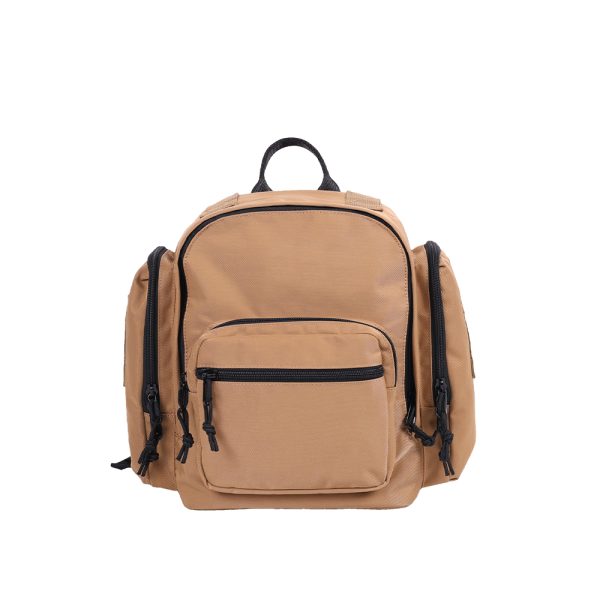
Quick comparisons — practical alternatives
Option A: Multiple single-purpose bags — great for presentation, terrible for purchasing efficiency. Option B: One customizable platform with inserts — a little up-front engineering, massive downstream savings. Option C: Fully bespoke runs for signature models — works for high-margin fashion but not for operational kits. For cross-functional teams and repeat projects, the customizable platform wins hands down.
Wrap-up: where this actually delivers value
Stop reacting to lost orders and incompatible kits. Adopt modular designs, standardize specs, and enforce supplier checks; those are the levers that make project planning predictable and purchasing fewer, smarter decisions. The result is more shoots that happen on time and fewer frantic overnight courier invoices, and that kind of practical reliability is exactly what ChangRong builds into its product thinking and production approach.