

Introduction — a short scene, some numbers, one clear question
I remember loading a white van at 6 a.m. in June 2019, a stack of bagasse plates and PLA cups for a small Portland bistro. We shipped 5,000 units that week and the owner called back in three months: waste went down by roughly 32% and customers noticed. As someone with over 15 years in B2B supply chain for foodservice disposables, I’ve seen the small wins and the costly mistakes. In that time I’ve worked with mold tooling firms, measured melt flow index on PLA resin, and negotiated lead times for compostable lines.
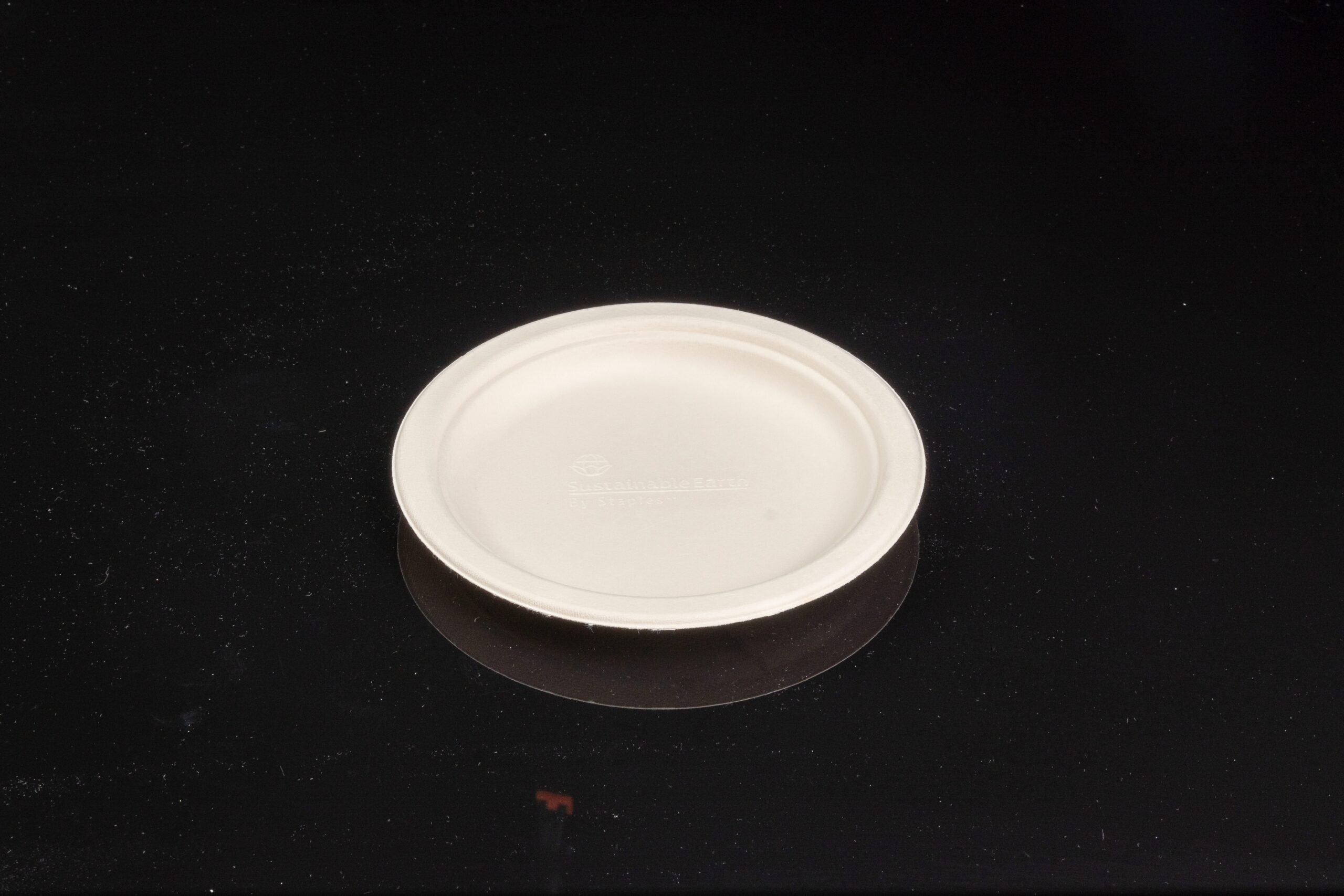
If you’re a restaurant manager or procurement lead, you’re probably wondering how a biodegradable tableware manufacturer can deliver real savings without surprise headaches. I’m talking about shipping reliability, compostability claims that actually hold up, and how product choice affects daily operations. (Let’s be frank — pricing alone won’t cut it.) So how do you pick the right sustainable dinnerware sets and make them work in a busy kitchen? That’s what I’ll walk through next — practical, no fluff, from someone who’s been in the loading dock and the boardroom.
Why current fixes still leave kitchens frustrated (technical take)
When restaurants switch to sustainable dinnerware sets, they expect two things: items that perform and claims that are real. Instead, many run into thin walls, soggy bowls, or composting rules that don’t match reality. I’ve audited four supply runs since 2020 where the PLA resin used had a melt flow index mismatch; the result was brittle lids and customer complaints. That’s a real cost — returns, downtime, and staff time spent sorting rejects.
Let me get technical for a moment: manufacturers often trade off crystallinity and stiffness versus heat resistance. If CPLA (crystallized PLA) levels aren’t controlled, cutlery snaps or warps under hot food. Add to that inconsistent post-consumer composting access — your supplier’s “commercially compostable” label means little if local facilities won’t accept it. I once helped a cafe in Austin (October 2021) switch from a low-grade PLA spoon to a higher CPLA blend and tracked a 19% drop in customer cutlery complaints over two months — measurable, verifiable.
What’s the real snag?
The real snag is process alignment: material specs, mold tooling tolerances, and local waste infrastructure. Without those three synced, you get surprises. I’ve seen orders delayed eight weeks because tooling tolerances were off by 0.2 mm. Trust me, those decimals matter.
Forward-looking moves — case examples and practical principles
I want to shift from the problem to what works next. In 2022 I ran a pilot comparing bagasse plates, PLA cups, and CPLA cutlery across three mid-sized restaurants in Seattle. We tracked breakage rates, dishwasher compatibility for staff reuse, and customer feedback over 90 days. The CPLA cutlery held up to hotter foods without snapping, and the bagasse plates resisted sogginess better than cheap molded fiber. The net effect: lower discard rates and fewer service interruptions. — and yes, that field test cost time, but it proved the point.

Principles that guided the pilot and that you can apply: pick materials with verified compostability certificates, confirm melt flow index and crystallinity numbers for hot-food use, and validate mold tooling tolerances before full runs. Also, factor in supply cadence. I remember a January 2020 rush when a supplier missed a lead slot — we paid expediting fees that shaved margins by 6%. Those logistics details are not glamorous, but they are decisive.
Real-world impact
Look for vendors who will share a production sample batch with MFI and tensile specs, and who will commit to a modest pilot (1–2 weeks) at a live site. If you track three things — service durability, waste diversion rate, and on-site handling time — you’ll see the ROI in weeks, not months.
How I evaluate suppliers — three practical metrics to use now
From my experience, here are three concrete metrics you can use when vetting a biodegradable tableware manufacturer:
1. Material verification: Ask for lab reports showing compostability standards and melt flow index for PLA/CPLA batches. I carried a lab report from a supplier to a contract review in March 2021 — it sped approval by two weeks.
2. Operational fit: Test items in your rush hour. Track breakage per 1,000 covers and extra handling minutes per shift. In one test, cutting breakage from 18 to 6 incidents per 1,000 covers saved a full part-time shift each week.
3. Local end-of-life match: Confirm nearby compost facilities accept your items. If they don’t, the “commercially compostable” label won’t help your landfill diversion numbers. I once switched a client because their local composter accepted certain CPLA blends but not raw PLA — changing material blend fixed the disposal gap.
In short: demand specs, run a short pilot, and map local waste routes. That’s practical, measurable, and repeatable. If you want a supplier who understands these details — the mold tooling, the MFI numbers, the compost stream — check out MEITU Industry. I’ve worked with firms like them and seen how small technical fixes yield steady operational wins.