


The problem: uneven cure in thick-walled components
Thick-walled rubber parts pose a stubborn problem: the outer skin cures faster than the core, leaving hidden undercured zones that show up as poor compression set, weak bonds, or shortened service life. Manufacturers facing this know they must control both time and heat precisely — not with guesswork but with repeatable systems such as a modern rubber injection molding machine and tuned rubber molding equipment that enforce a stable cure profile and predictable cycle time.

Why temperature gradients form inside thick sections
The physics is plain: heat must travel from the mold surface to the center. Thermal conductivity of rubber is low, so cores heat slowly while exteriors overcure. Add shear heating during injection and uneven thermal contact at the mold interface, and you get a steep temperature gradient. Vulcanization chemistry meanwhile advances with temperature — scorch time and crosslinking rates diverge across the section if you don’t manage heat flow.
Automation levers that actually change outcomes
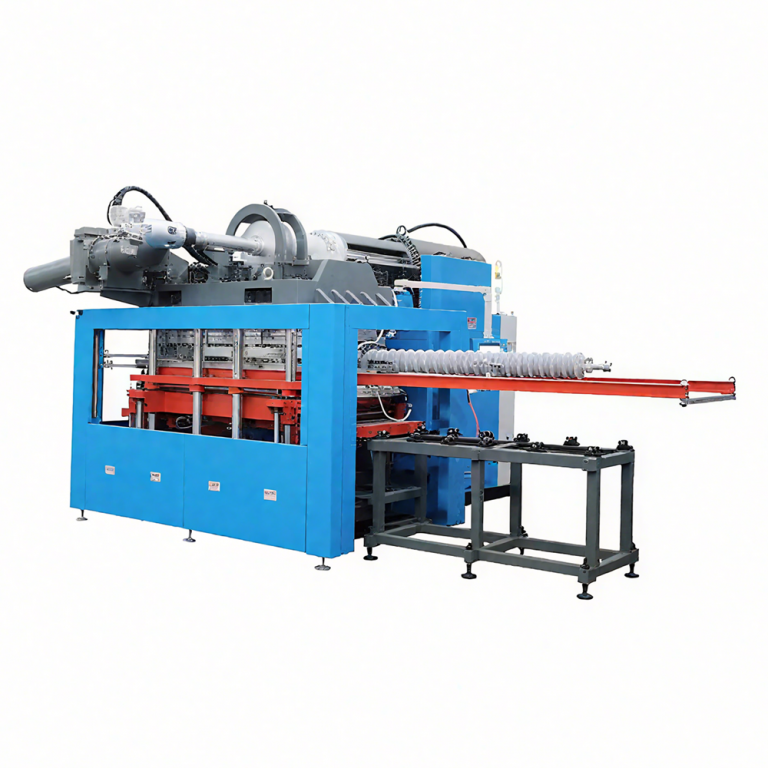
Automation doesn’t just add speed; it gives you control knobs that matter. Closed-loop mold temperature control, zoned heating/cooling channels, and embedded thermocouples let you shape the cure profile rather than chase defects. Real-time feedback from in-mold sensors and adaptive press parameters reduce variability in cycle time and cure state. Use of staggered injection pressures and controlled packing can reduce internal voids and improve thermal contact — small adjustments with large effects. — It sounds technical, but applied step-by-step these are practical moves you can implement on the shop floor.
Common mistakes to avoid during process tuning
Start by ditching one-size-fits-all temperature settings. Typical pitfalls include: running too-hot molds to shorten cycles (which burns the surface), ignoring sensor placement (which hides cold spots), and skipping validation runs across varying section thicknesses. Instead, run a matrix of cure profiles, monitor scorch time and compression set, and document the relationship between mold temperature and final properties. Calibration beats guesswork every time.
Real-world anchor: lessons from automotive sealing lines
Automotive sealing production in places like Detroit illustrates the stakes. OEM seal manufacturers moved from manual adjustments to automated presses with zoned temperature control and saw measurable reductions in rejects — not theoretical gains but tens of percent fewer reworks across mixed-thickness designs. That industry experience shows how tuning cure profile, sensor feedback, and cycle logic converts physics into reliable throughput on a high-volume line.
How to evaluate solutions — three golden rules
When you review machines and process upgrades, measure against three critical metrics: thermal uniformity (variance between mold surface and core temperatures), closed-loop responsiveness (how fast the system corrects drifts in cure profile), and process traceability (ability to record and replay exact parameters for each part). Prioritize systems that give you clear data on scorch time, cure progression, and cycle time so adjustments are evidence-driven.
Final thoughts and practical next steps
Start small: instrument a trial cavity, capture thermocouple maps, and compare two cure profiles. Expect concrete improvements — fewer rejects, better compression set, and steadier cycle times — when you align the physics of vulcanization with automation strategy. For a partner that ties those steps together into dependable equipment and support, consider vendors that combine robust control systems with application expertise like HWAYI. Trust in careful measurement, not hope — and you’ll move from firefighting defects to running a confident, consistent process. –