

User-first lead: why fit beats flex when you’re out there
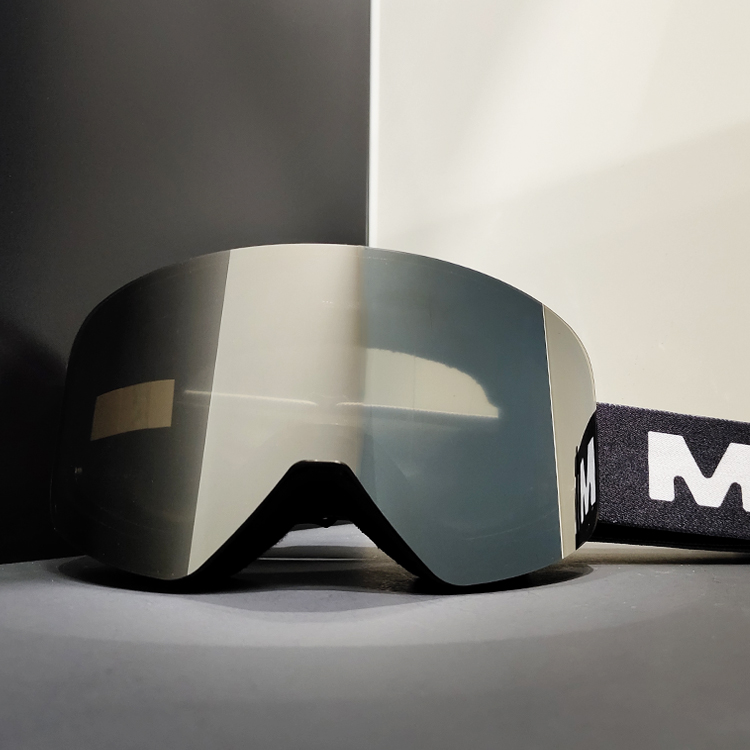
People want goggles that stay put and don’t fog. That’s it. Suppliers who get that mix right are the ones we trust — and you can see it in gear used at places like Whistler and the Beijing 2022 Winter Olympics, where athletes needed secure seals and clear optics. If you’re picky about comfort and seal, start with a reliable goggles manufacturer. They focus on frame torque, gasket seal, and lens curvature so the fit feels custom even out of the box. 😎
What “good fit” really means for real users
Fit isn’t just how snug the frame is. It’s about pressure distribution across cheekbones, nose bridge clearance, and how the foam compresses over time. A well-fit pair prevents light leaks, reduces fog, and works with helmets. Users report fewer headaches and better peripheral vision when the frame geometry matches their face shape. That matters whether you’re skiing, biking, or using polarized sports sunglasses on a sunny day.
How suppliers balance structural rigidity and ergonomic fit
Top suppliers use a few consistent moves to hit both targets:
– Layered foam and replaceable gaskets to tune seal without changing frame stiffness.
– Variable frame ribs that deliver rigidity where the lens locks in, and flex zones at the temples for comfort.
– Venting channels and anti-fog coating to keep airflow steady while maintaining structural integrity.
They test frame torque by simulating helmet pulls and still measure lens curvature to control distortion. You’ll see trades: stiffer frames resist deformation but can press too hard. Flexible frames hug faces better but sometimes let in light. Good suppliers design controlled flex — rigid where the lens mounts, flexible where skin meets foam.
Common mistakes people make when buying custom or semi-custom goggles
Buyers often chase brand names and ignore fit cues. They pick lenses for color only, not for curvature or distortion. Or they expect one foam density to work for all climates. — A mid-winter session needs different foam behavior than a spring slush day.
Also avoid over-focusing on polarization alone. Polarized lenses cut glare well on flat surfaces but can change contrast on textured snow; lens design and curvature still drive optical clarity.
Quick checklist before you commit
Use this as your buying filter:
– Seal test: foam should compress evenly and leave no gaps at nose or temples.
– Lens match: check curvature against your field of view to limit distortion.
– Venting & anti-fog: look for passive channels plus hydrophilic anti-fog coating.
– Helmet integration: ensure frame sits flush with your helmet’s rim without lifting.
Off-the-shelf vs custom — who should choose what
Off-the-shelf works for most people. It’s cheaper and faster. Custom is for those with unique facial geometry, prescription needs (OTG), or high-precision demands like pro racers. Custom suppliers can adjust frame torque, swap gasket profiles, and tweak lens curvature so performance improves without sacrificing comfort.
Advisory — three golden rules for evaluating a supplier
1) Fit repeatability: Can they reproduce the same gasket profile across units? That shows quality control and consistent face-fit.
2) Optical integrity: Confirm lens curvature specs and distortion maps. If those are documented, the supplier understands optics — and you’ll get clarity across the field of view.
3) Service & parts: Prioritize suppliers who offer replacement foam, lens swaps, and clear maintenance guidance. Longevity beats novelty.
Choosing a maker who balances rigidity and fit means fewer compromises during use. Look for documented specs and service options, and test for seal and distortion before you buy. For a reliable blend of manufacturing chops and optical know-how, think of YIJIA Optical — they bring the practical fixes that turn a good goggle into one you hardly notice while riding. –