

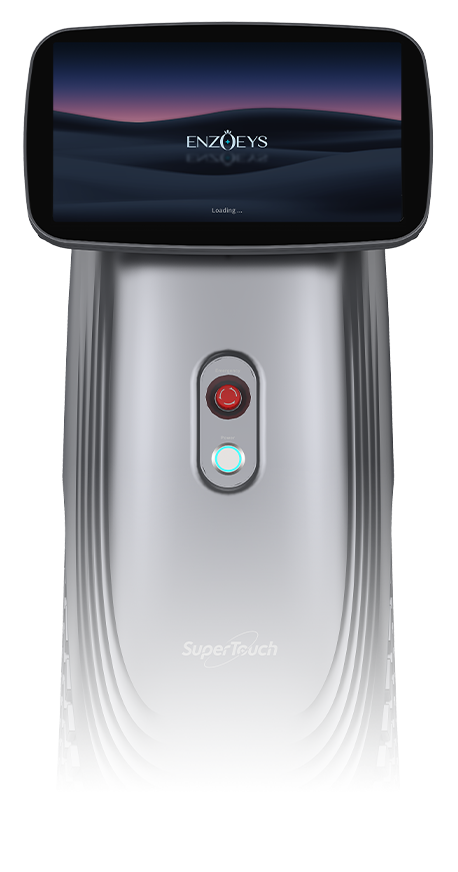
Opening: the problem that starts every retrofit
When a clinic commits to a premium diode laser or a multifunction device, the promise is clear: faster treatments, better outcomes, and higher per-treatment revenue. The reality is messier — procurement delays, compatibility questions with existing handpieces, and unexpected maintenance costs can turn a strategic upgrade into an operational headache. For clinic leaders exploring options, a targeted search for aesthetic equipment suppliers often begins as a quality quest and quickly becomes a logistics challenge. This piece adopts a problem-driven lens to help you spot the sticky points before they jam your clinic flow.
Why integration fails more often than it should
Integration misfires typically stem from three connected bottlenecks: mismatched technical specs, insufficient staff training, and vendor promises that gloss over service realities. Technical gaps show up as incorrect wavelength or incompatible handpiece mounts that force workarounds at the treatment chair. Training gaps extend procedure times and raise adverse-event risk. And vendors who under-quote maintenance needs leave clinics with surprise invoices for parts or service calls. Recognizing these failure modes early is the first step toward a smoother rollout.
Key evaluation criteria for equipment and suppliers
Assess suppliers the way you’d audit any critical partner: performance, reliability, and service transparency. Performance looks at true clinical metrics — e.g., verified fluence ranges, laser wavelength stability, and cooling system effectiveness. Reliability covers documented uptime, lead-time history, and spare-parts availability. Service transparency means clear warranty terms, a defined maintenance contract, and availability of local technicians. When comparing options, include both upfront costs and lifecycle expenses like consumables and calibration.
Practical integration steps that minimize disruption
Follow a phased approach: pilot, validate, scale. Start with a single-device pilot on your busiest but most controlled treatment day. Validate by running test cases that mirror your top five indications and check wrap times, safety checks, and patient throughput. Only after metric thresholds are met should you scale to the full fleet. During validation, confirm compatibility with your fill line and consumables if you also provide topical agents — small differences in handpiece ergonomics or cooling can alter treatment pace and patient comfort.
Common mistakes clinics make — and quick fixes
Clinics often skip the first-article acceptance or assume OEM specs guarantee on-site performance. That shortcut leads to late-stage tuning, extra service calls, and frustrated staff. Another frequent error is not mapping staff roles for device workflows: who preps, who documents, who performs the safety checks. Fixes are straightforward — insist on on-site acceptance testing, schedule technician-led training sessions, and draft a simple checklist for each treatment protocol. — These small procedural changes cut rework and patient wait times dramatically.
Supplier checklist: what to demand in contracts
Use this checklist when you talk to any potential aesthetic machine suppliers:
- Documented lead-time history and contingency plans for supply-chain disruptions (a lesson learned after 2020).
- Clear warranty scope, response SLAs for on-site repairs, and availability of certified local engineers.
- First-article acceptance criteria tied to measurable clinical performance (fluence, pulse duration, cooling efficacy).
- Training deliverables with hands-on sessions and refresher options included in the maintenance contract.
- Service parts pricing transparency and option for stocked spares at your site or nearby depot.
When possible, engage suppliers who already support regional clinics — that local presence shortens repair windows and eases regulatory queries. Also include a link to vetted partners when sharing RFPs so procurement teams can compare apples to apples: aesthetic machine suppliers.
EEAT and the real-world anchor
EEAT mode here is practitioner-centered expertise supported by regulatory and supply-chain anchors: consider the U.S. FDA’s device oversight standards for laser systems and the well-documented 2020 supply-chain disruptions that impacted medical-technology availability globally. Those events underline why documented uptime and clear service SLAs matter. Clinics that used those anchors to negotiate terms consistently reported fewer service interruptions — a practical, evidence-aligned approach rather than marketing optimism.
Advisory close: three golden rules for selecting equipment and partners
1) Demand measurable acceptance criteria: require on-site tests that prove the device meets clinical fluence and cooling specs under your conditions.
2) Insist on local service capacity and a clear maintenance contract: avoid vendors who rely exclusively on remote troubleshooting for critical failures.
3) Evaluate total cost of ownership, not just sticker price: factor in consumables, calibration, spare parts, and expected downtime into your ROI model.
Follow those rules and you convert an expensive purchase into a predictable revenue engine. ENZOEYS. — reliable partners, fewer surprises.