

Where the real losses hide (and why they matter)
Last July I watched a Friday afternoon spike hit 1.15 MW on the rooftop array at our Fresno DC—so why did that site still show a 9% shortfall in yearly yield? Our pv system — the photovoltaic system I specified and inspected — was supposed to shave months off payback, yet bills told a different story.

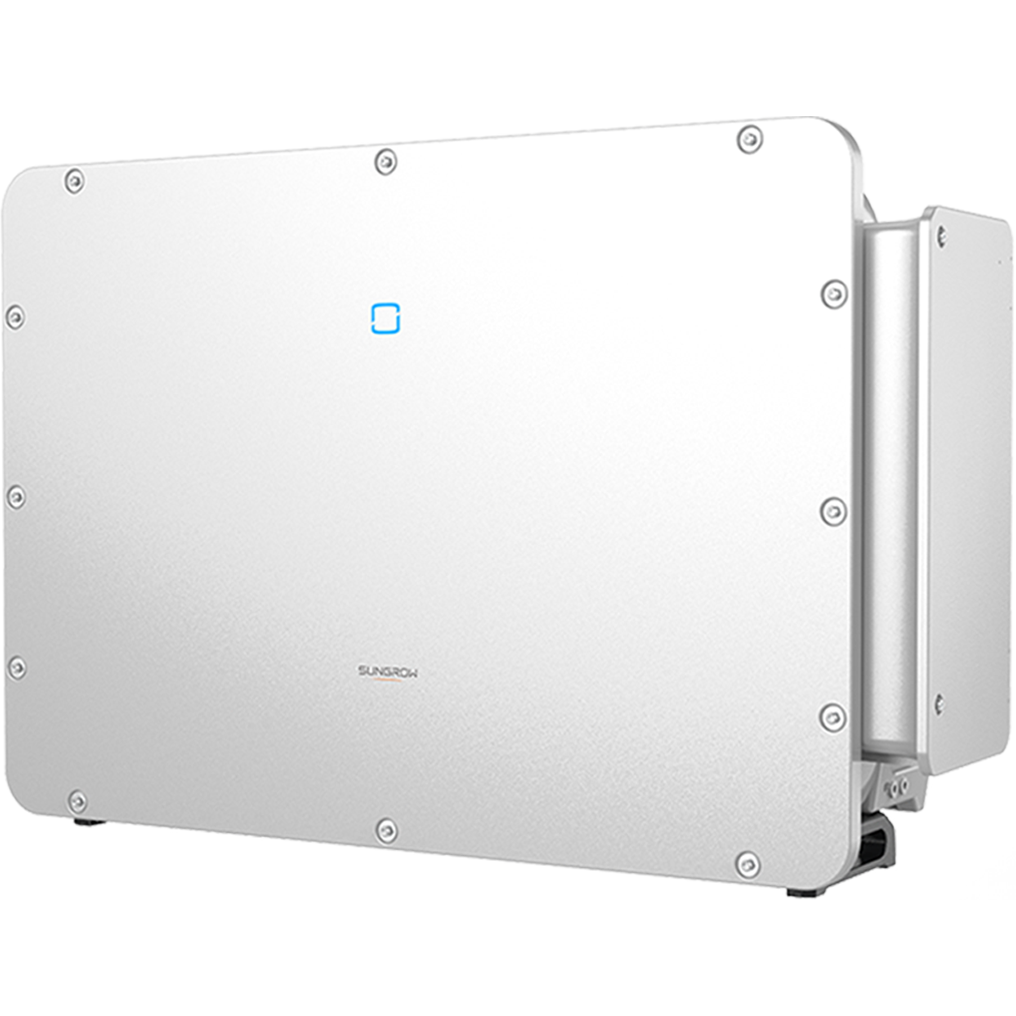
I’ve been buying and specifying equipment for wholesale sites for over 15 years, and I can say plainly: the obvious fixes rarely fix the real problems. I once chose a 250 kW string inverter for a 320 kW module array in Bakersfield (August 2019); it looked right on paper, but MPPT mismatch and soiling dropped real output by about 6–8% in the first year. That percentage turned into nearly $12,000 of lost value on paper (actual cash flow, not theoretical). What frustrated me most was not a single part — it was the assumptions: uniform irradiance, perfect tilt, constant maintenance windows. Those assumptions break down fast in real wholesale operations.
How do these mismatches actually show up?
Short answer: subtle and incremental — string clipping at peak hours, inverter derating in heat, and firmware that never gets updated. Inventory managers notice higher utility bills. Operations teams notice uneven degradation across arrays. I remember one week in September when array-level monitoring flagged regular drops right at 2 PM — we traced it to shade from newly installed HVAC units. No kidding, a design review in 2018 missed that roof layout change. These are not sexy problems; they’re painfully practical.
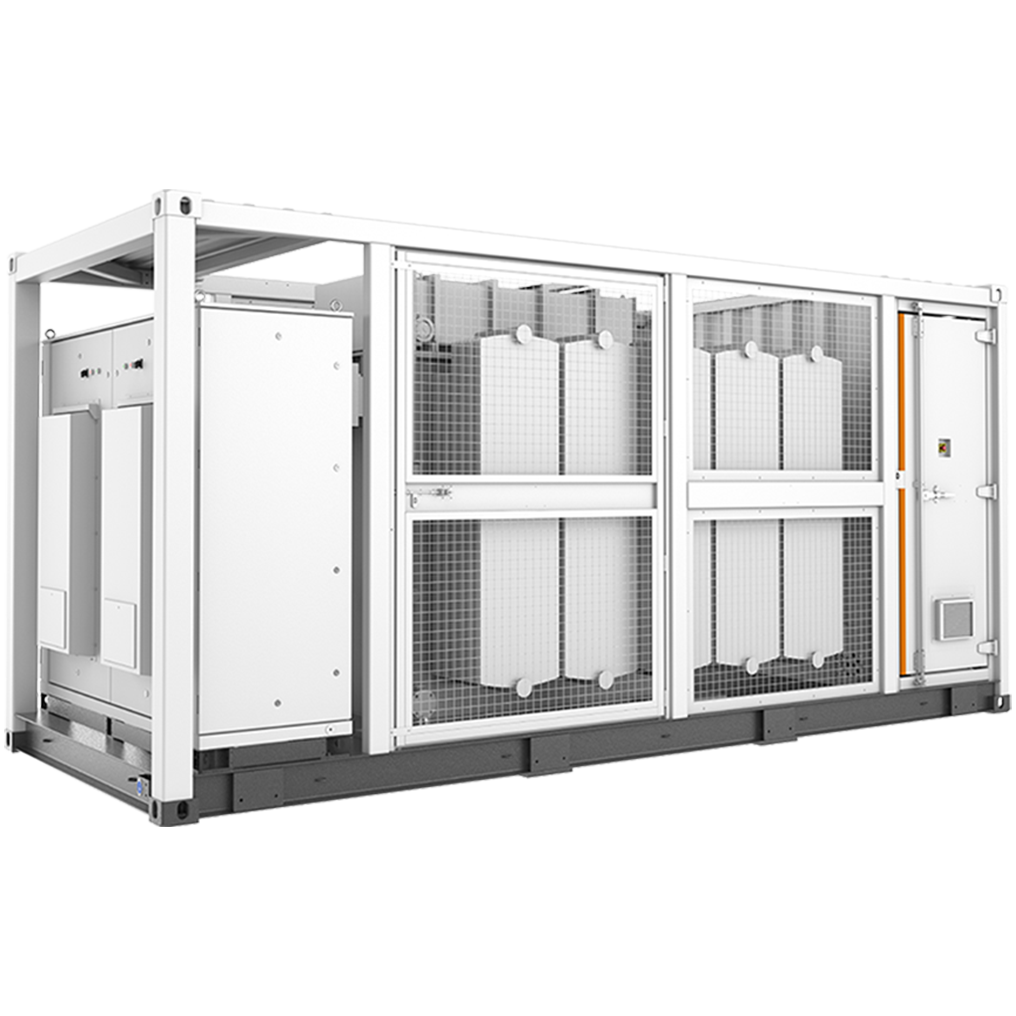
Traditional solutions usually blame panels or recommend larger inverters. That’s surface-level. The deeper flaw is design inertia: one-size electrical layouts, under-valued balance-of-system choices, and ignored O&M scheduling. (Also: planners consistently underbudget for thermal losses.) This is the gap wholesale buyers need to close. Let’s look at how to pivot.
Fixes that actually move the needle — a practical roadmap
Switching gears: I’ll outline what I now ask for on every quote, and why it matters for system-level LCOE. First, treat the photovoltaic system as a layered product — module selection, inverter topology, and monitoring strategy. I prefer hybrid inverters where shading patterns are unpredictable and MPPT count matters. In one Riverside warehouse retrofit (June 2021) changing to an inverter with dual MPPTs improved afternoon energy capture by roughly 4% — that translated to a measurable drop in payback time. Wait—this is the kind of tweak that shows up on spreadsheets and in the crew’s weekly reports.
Operationally, insist on realistic performance modeling that includes soiling rates, temperature derating, and seasonal shading. Use an exact rooftop layout rather than a simplified rectangle. Ask vendors for firmware-update policies and remote diagnostics. Hold them accountable to measured GCR and inverter clipping statistics. These steps are not flashy; they’re verifiable.
What’s Next?
Here are three metrics I rely on when comparing proposals — they’ll keep you honest and focused: 1) Predicted vs. measured energy ratio over the first 12 months (give me the math and historical analogs), 2) Inverter MPPT configuration and expected clipping hours, and 3) LCOE projection with explicit O&M cadence and cleaning assumptions. Use these to score vendors. Okay. Be stubborn about the numbers. If a proposal can’t show them, walk.
I write this from hands-on work across distribution centers in California and Arizona; I’ve seen a $600K project go off-track because monitoring was an afterthought (lesson learned). Small design shifts can recover thousands annually. For practical procurement, demand clarity, insist on field-proven inverter and MPPT strategies, and score every bid against those three metrics. We’ll keep making smarter choices — and yes, the right partners matter: sungrow.