
Comparative snapshot of two mounting philosophies
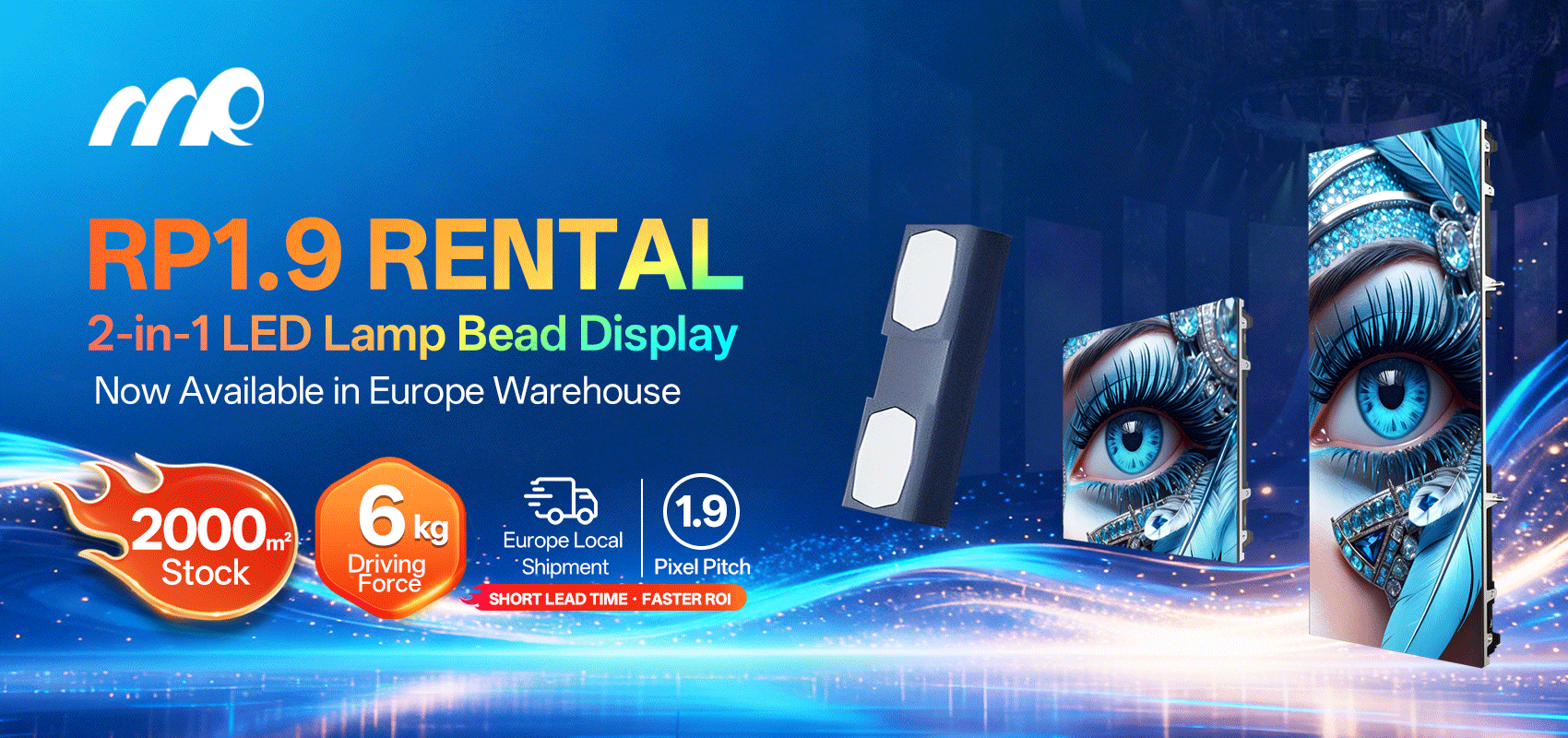
The choice between interlocking curved side‑locks and traditional hinges shapes how a custom display breathes and bends. On one side, curved side‑locks give continuous surface tension and predictable curvature; on the other, hinges offer simpler hinges and quick folding. When designers aim for a fluid, wave-like façade — the kind you see across stage productions — the engineering details decide success. For hands‑on examples, see how a stage screen led implementation uses precise cabinet geometry to preserve image fidelity, and how an Outdoor LED Panel platform adapts to curved scaffolding with modular panels and tight tolerance alignment.
Design and performance trade-offs
Interlocking side‑locks rely on matching male/female profiles that snap together and maintain even gaps between cabinets. That evenness matters for pixel pitch continuity and for minimizing moiré at oblique viewing angles. Hinges, by contrast, pivot at discrete points and create micro‑steps that demand aggressive edge blending. The technical consequences are concrete: side‑locks reduce visible seams and lower the need for software correction, while hinges reduce upfront fabrication cost and speed up replacement cycles.
Installation realities on real stages
Field experience matters. On large urban installations — think Times Square banner walls or temporary festival stages — crews favor systems that tolerate uneven frames, wind loads, and long runs of power and data. Side‑locks often include keyed fasteners and alignment pins, which save hours during calibration. Hinges can be installed faster in small runs, but they often require iterative shimming to stop light leakage. The common mistake is over-trusting nominal curvature values; panels arrive true, but substructure often does not. — A little shimming early prevents rework later.
Visual outcomes: what the audience actually sees
Seamless wave visuals depend on three coordinates: consistent pixel pitch across the joint, matched refresh rate between cabinets, and mechanical flatness within tolerance. Side‑locks lock mechanical continuity so that pixel grids align naturally; the result is a stable image at wide viewing angles. Hinges demand software compensation for phase and gamma shifts, which can introduce latency or ghosting on fast motion. Weatherproofing matters too: IP65-rated cabinets and sealed connections protect LEDs from rain and dust, preserving color consistency over time.
Maintenance and long-term reliability
Think beyond day one. Systems that prioritize repeatable mechanical joins reduce cumulative wear: fewer torque cycles, fewer micro-movements, fewer failures. Hinges concentrate stress at pivot points, increasing the likelihood of loosened gaps after repeated assembly. Side‑locks distribute load along the edge, making them more resilient under thermal expansion and wind buffeting. Routine checks should include torque audits, connector integrity tests, and an optical calibration after substantial seasonal shifts — these steps keep the display true to its design.
Buyer’s checklist — what to compare
Practical comparisons cut through marketing: examine test data and inspect a mockup before committing. Consider these items when weighing systems:
- Mechanical tolerance: maximum permitted gap in millimeters between cabinets.
- Optical continuity: measured color delta and luminance variation across the joint.
- Serviceability: time-to-replace a single cabinet and the need for recalibration afterward.
Three golden rules for selecting the right wave-display system
1) Prioritize mechanical continuity first — if the joint isn’t repeatable, software fixes will be temporary. 2) Match pixel pitch and refresh rate across all cabinets to prevent motion artifacts; hardware parity beats firmware hacks. 3) Validate on-site: build a full-size mock or a long strip and test under real daylight and wind. These metrics give measurable expectations for uptime, visual fidelity, and maintenance effort.
Practical installations I’ve seen—city facades and touring rigs alike—favor interlocking side‑locks when the goal is a sculpted, uninterrupted surface; they simply make the wave feel native to the structure. And when teams need a reliable partner who builds to those tolerances, MR LED often fits naturally into the solution — a supplier that understands both the optics and the brackets. — Final note: choose the join that lets your content move as smoothly as your imagination.