

The problem — your formulation work keeps falling apart
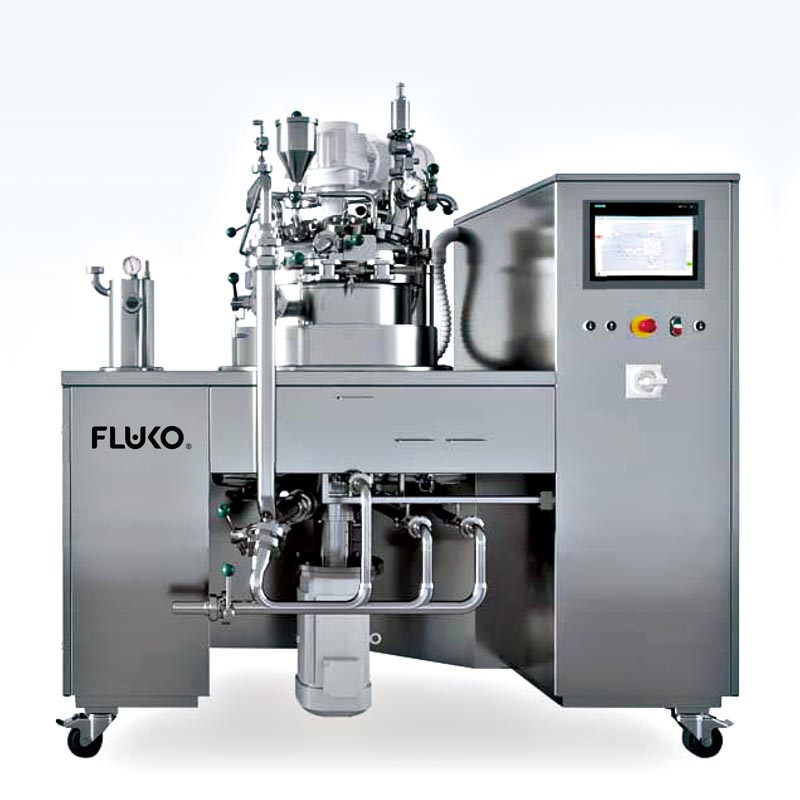
Yo — you chase consistent emulsions and keep getting gnarly batches that separate or act weird under scale. That’s a product problem, not just lab luck. If your R&D roadmaps ignore how mix tech actually shapes formulations, you’ll keep iterating blind. Start by thinking of the machine, not as an appliance, but as a product constraint: the way a Laboratory mixer tears fluids apart and stitches them together defines what your product can be, how fast you can scale, and what users will actually trust.
Why this blows up — root causes
Bad outcomes come from three dumb mistakes: specs that don’t match material needs, vague user workflows, and pretending lab trials equal production runs. High-shear gear isn’t a one-size deal — rotor geometry, shear rate ranges, and residence time change particle size and texture. Treat those as levers, not knobs. If you ignore shear curves or only test at one rpm, you’re gambling on product shelf life and repeatability. That’s why you’re seeing batch drift and angry QA notes.
Strategy moves that actually fix the mess
Design the product strategy around what the mixer enforces. First, map material classes (viscosities, solids load, surfactant sensitivity) to machine outputs — target PSD, viscosity target, and throughput. Next, pick modular hardware options: multiple rotor-stator sets, quick-change seals, and scalable pump heads. Build test protocols so bench runs mirror the production shear profile. Ship a developer kit that includes process recipes, not just hardware. Pricing? Charge for repeatability and serviceability, not just RPMs. Position the product to solve a specific pain — consistent droplet size at X solids — and market that clarity hard.
Common screw-ups to dodge
Don’t assume one bench trial equals scale. Don’t hide maintenance costs in specs. Avoid locking users into proprietary consumables without offering clear performance gains. Don’t over-engineer controls — lab techs want simple repeatable settings. And don’t skip measuring the right outputs: particle size distribution, temperature rise during mixing, and cleaning cycle time matter more than glossy touchscreen demos.
Real-world grounding — experience that isn’t flex
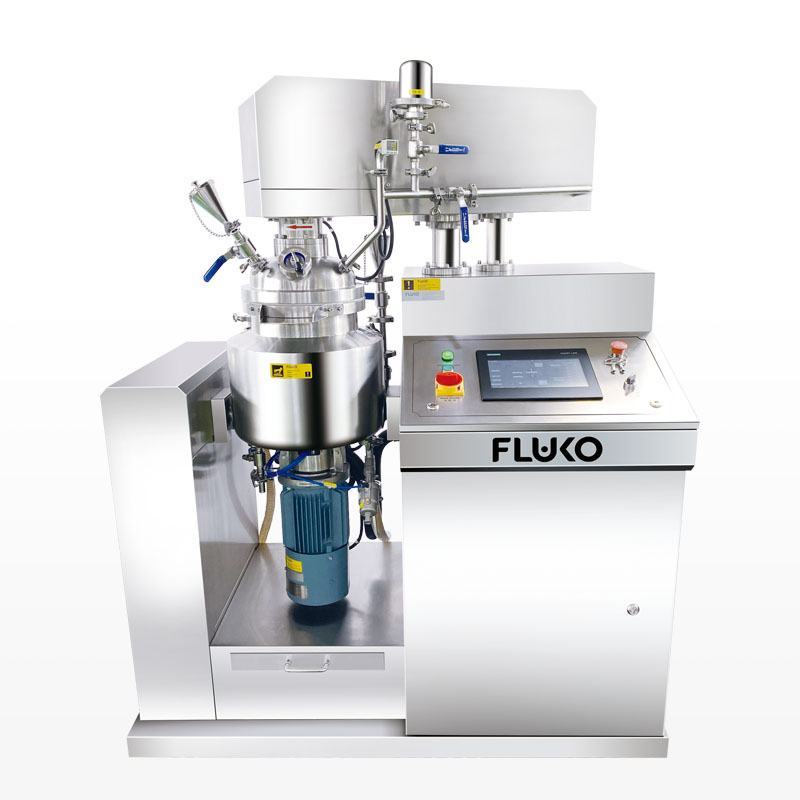
I’ve worked with R&D crews that mapped three dozen formulations against rotor geometries and learned the same thing: lab behavior predicts scale only when shear profile and residence time match. Labs at places like MIT and teams presenting at ACS sessions routinely validate that benchtop workflows need dedicated inline testing; that’s where the benchtop inline mixer sits in the workflow and changes specs from “maybe” to “repeatable.” This hands-on testing plus peer presentations is why we lean process-first, not feature-first.
Metrics that actually matter for product decisions
Track the numbers that predict real outcomes: droplet size distribution (D10/D50/D90), CV% across batches, shear rate at process conditions, throughput vs. residence time, cleaning time per batch, mean time between seal changes, and cost per functional liter. Tie those KPIs to user stories — “formulator needs 90% of batches under X microns” — and make those the product acceptance gates.
Packaging the offering — what to bundle and what to leave loose
Bundle what removes friction: rotor kits, validated recipes, cleaning protocols, and spare seals. Leave customization as paid add-ons: special materials for corrosive chemistries, CIP automation, or bespoke control logic. Offer a short onboarding service where you run three baseline recipes to prove the machine hits the targeted shear profile. That reduces buyer anxiety and keeps support tickets sane.
Wrap — how this solves the original problem
Cut the fluff and build around process constraints. If your product strategy treats mixing tech as a cornerstone — matching spec, test, and service to what the machine enforces — you stop guessing and start shipping consistent formulations. That’s the point: less drama in scale-up, fewer angry QA meetings, and an easier story for customers who just want their batch to behave. When the hardware, recipes, and service lock together, you get a product that does what it promises — same vibe that smart teams plug into with FLUKO.