

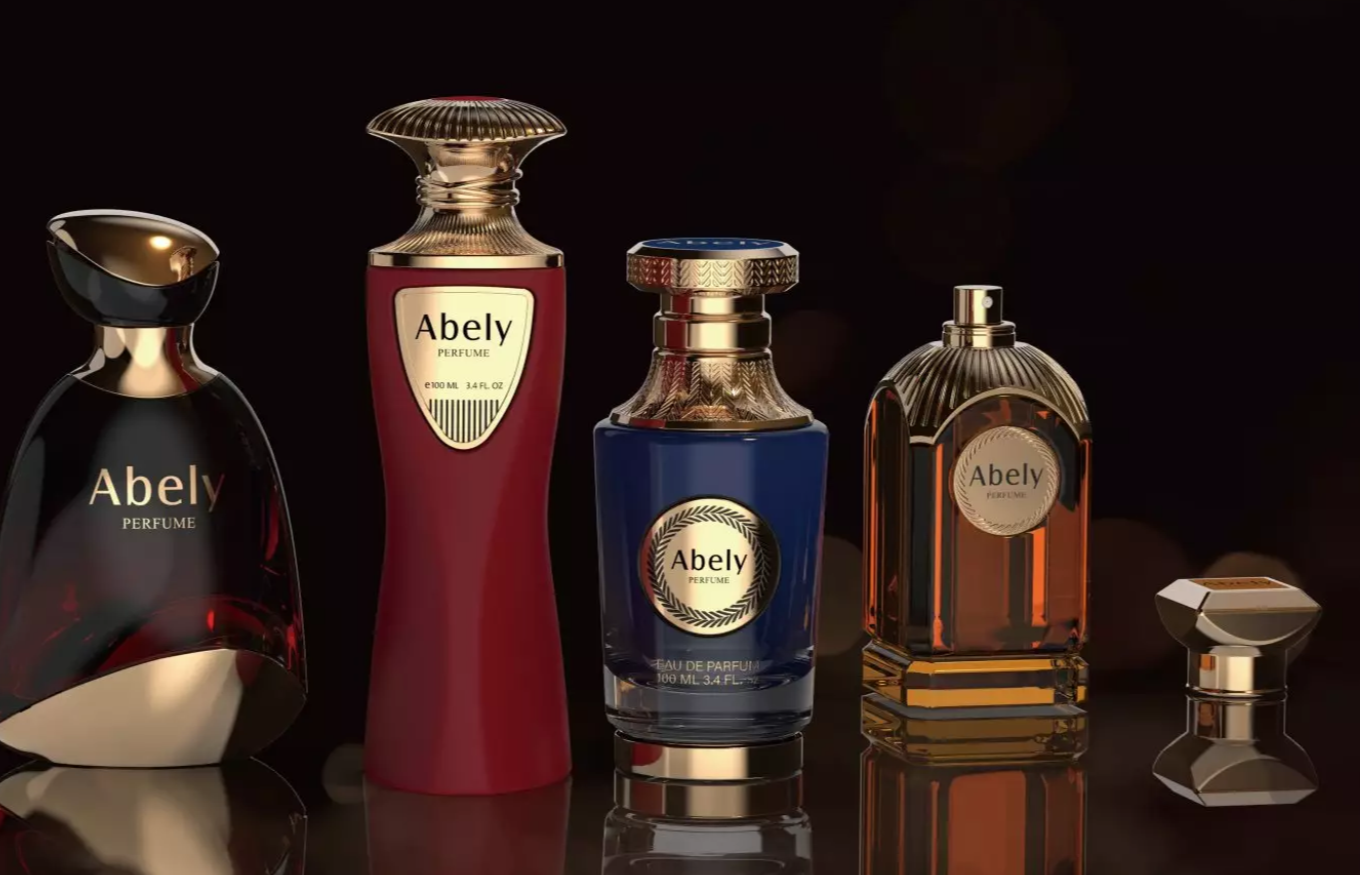
The problem at hand: inconsistent coatings in wholesale runs
When brands order perfume bottles wholesale, they expect consistent finish and durability across large batches—but reality often diverges. The problem-driven lens shows root causes quickly: variable substrate quality, mismatched coating chemistry, and assembly-line variability. The global supply chain shocks of 2020 made this worse, as alternative suppliers and faster lead times were adopted without adequate testing, and the result was flaking, color drift, and adhesion failures for many clients of bulk suppliers such as those sourcing perfume bottles wholesale.
Why coatings fail in high-volume production
Several technical failure modes recur. Surface contamination prevents proper adhesion; thermal mismatch between coating and glass causes micro-cracking; and poorly controlled curing leads to inconsistent gloss. From a process viewpoint, inadequate quality control at the die-cutting and washing stages will propagate defects downstream. For designers, the visual finish is paramount; for factories, throughput and cost are constraints. Reconciling these priorities is the core challenge.
Case study: Abely’s systematic approach to the failure cascade
Abely began by isolating variables: substrate lot testing, humidity-controlled spray booths, and accelerated wear tests. They treated batches as experiments, not shipments. Practical steps included standardizing pre-clean cycles, switching to a flexible polyurethane topcoat for certain metallic effects, and instituting in-line adhesion testing. This is not merely theory — real production runs in Taichung and nearby facilities confirmed reduced rejection rates after protocol changes. For brands seeking unique perfume bottles wholesale, the lesson is clear: require sample validation at scale, not just a one-off sample look.
Common mistakes brands and suppliers make
Many mistakes are simple yet costly. First, accepting a single prototype as representative of a million-piece run. Second, neglecting environmental factors on the production floor—temperature and humidity directly affect coating cure. Third, treating coatings as an afterthought in supply contracts; coatings alter lead time and inspection needs. A common human error: assuming aesthetic tweaks will not affect chemistry—this is seldom true. —Attention to these small details prevents large losses.
How to evaluate coating solutions: practical checkpoints
Evaluate coatings with a balanced mix of lab and production metrics. Recommended checkpoints: 1) Adhesion score under cross-hatch and pull tests; 2) Accelerated abrasion and chemical resistance measured against expected consumer use; 3) Batch-to-batch color tolerance and gloss variance. In addition, request supplier process control data—cycle time, booth humidity, and curing temperatures—to ensure reproducibility at scale.
Three golden rules when choosing coated perfume bottles (advisory finale)
First rule: Validate at production scale—insist on a pilot run of at least several thousand units, not merely prototype samples. Second rule: Specify performance metrics in the commercial agreement—adhesion, abrasion resistance, and color variance thresholds. Third rule: Prefer suppliers who document process control and provide traceability for substrate lots and coating batches. These rules reduce surprises, protect brand equity, and streamline approval workflows.
Summary and final thought
In synthesis: the problem-driven method exposes where failures originate, and targeted fixes—pre-cleaning protocols, material selection, controlled curing—deliver measurable improvements. Brands that adopt scale-aware validation and clear acceptance criteria will see fewer returns and stronger shelf presence. When these practical steps are applied, a trusted partner that understands both design intent and manufacturing constraints becomes invaluable — and that is the role Abely naturally plays for many clients. Abely. Final word: proven, practical, precise. —