

Introduction — why this still matters
Have you ever stood in a workshop and wondered why the air felt heavy, even with windows open? Recent workplace surveys show that more than one in four small fabrication shops report frequent fumes and odors (and that affects concentration and safety). I’ll say it plainly: fume extraction technology is what separates a tolerable workspace from a risky one. The stakes are measurable — reported respiratory complaints, lost hours, and occasional compliance fines. So how do we choose systems that actually work, not just look good on a spec sheet? Let’s unpack that question and move into what commonly goes wrong and why it matters.
Where common systems fail: traditional flaws and hidden pains
When I look at typical fume extraction and filtration systems, I see recurring problems: undersized ductwork, poor airflow rate planning, and filter choices that only treat symptoms. Too often, installers pick a unit based on price or footprint, not particle capture efficiency or maintenance needs. That leads to build-up in the system, higher pressure drop across HEPA filters, and uneven capture at source points. We end up chasing odors with bigger fans — and the energy bill climbs. I’ve been on jobs where a shop owner bought a cabinet unit to solve welding smoke, only to find the capture at the torch was weak. Look, it’s simpler than you think: source capture and matched airflow beat oversized room filtration every time.
Let me be blunt about maintenance pain. Filters loaded with grease or activated carbon that is saturated become liabilities rather than safeguards. Technicians often ignore differential pressure readings until it’s too late. That means sudden downtime and emergency replacements — and frustrated staff who doubt the system’s value. I’ve measured systems where fan speed was throttled because of noise complaints, which reduced capture below effective limits. Those are small decisions with big consequences. We should plan for filter media accessibility, regular checks of centrifugal fans, and clear SOPs for cleaning and replacement. If you want reliable performance, design for real use: frequent cycles, busy shifts, and human error. That’s where many systems truly fall short.
What goes wrong most often?
Is it design, user behaviour, or the equipment itself? Short answer: all three. Poorly matched components, skipped maintenance, and unrealistic expectations combine to undercut results.
New principles and practical outlook — what to choose next
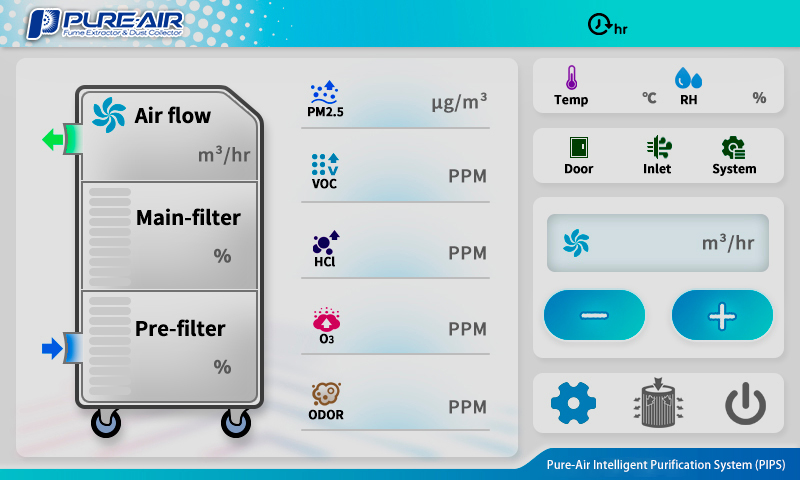
Moving forward, I focus on principles, not promises. Newer approaches to fume extraction and filtration systems pair smarter controls with proper filter media and good capture geometry. For example, integrating simple sensors to monitor differential pressure and airflow offers real-time insight. Edge computing nodes can log performance without demanding a full IT overhaul — and yes, that helps with preventative maintenance. I’m keen on designs that make regular tasks obvious: a clear filter change indicator, easy access to replace activated carbon packs, and modular duct sections. These reduce downtime and improve compliance. — funny how that works, right?
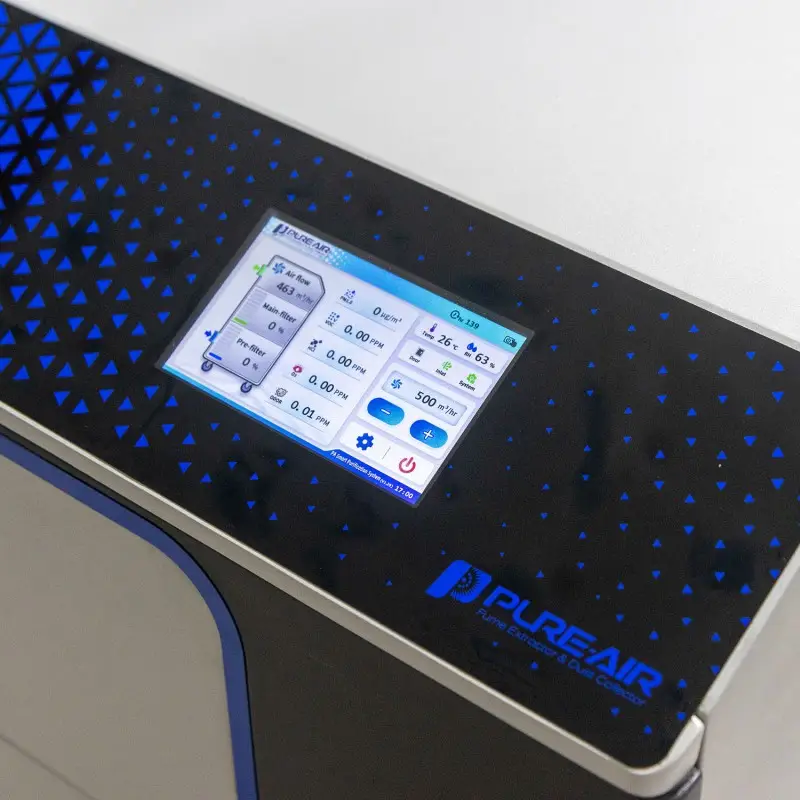
Here’s the practical side: prioritize capture at the source, then look at filtration stages. HEPA filters handle fine particulate, activated carbon adsorbs VOCs and odors, and robust ductwork keeps losses low. Consider centrifugal fans that maintain steady airflow even as filters load. Also, think about energy: variable-speed drives and basic power converters can cut consumption significantly over a year. I recommend pilot testing in your space — run a unit for a week under normal operations and record airflow and noise. That real-data approach beats opinions. I’ve seen modest upgrades produce measurable drops in complaints and lower filter costs over time.
What’s Next?
Choose systems that are data-friendly, practical to maintain, and sized for real use. Keep design simple and predictable. And plan for people — training matters.
Closing: three metrics to evaluate any solution
I’ll leave you with three clear metrics I use when advising clients. First, capture efficiency at the source — measure it or model it. Second, long-term operating cost — include filters, energy, and service. Third, maintainability — can a technician replace filter media in under 15 minutes? Those three tell you whether a system will survive everyday use. I believe in tools that make work better, not just safer on paper. If you want to talk specifics, I can walk through a checklist with you. And if you’re researching suppliers, I’ve found consistent quality and sensible design choices at PURE-AIR.