
The real problem you have
You need repeatable dispersions, fast scale‑up and predictable maintenance schedules, not surprises that stop a production run. Buyers often pick based on price or a short spec sheet and then face clogged rotors, premature seal failures, or an operator manual written in dense corporate language. Start by checking the exact process need: do you need continuous inline processing or batch work? If continuous, verify the unit is an inline high shear mixer rated for your flow, viscosity and solids load; that single mismatch causes most headaches on day one.
Core technical checklist
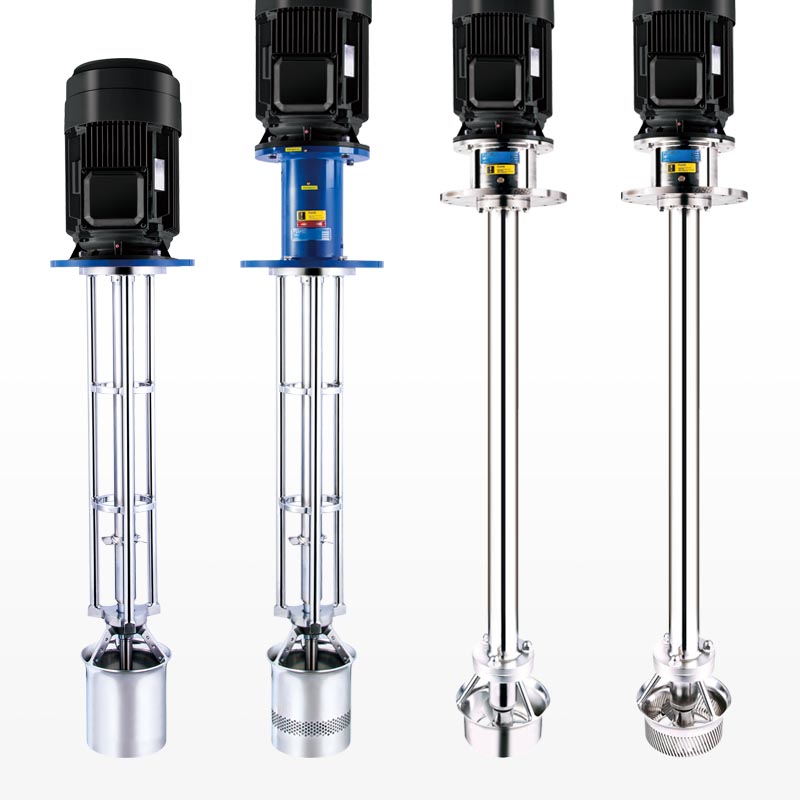
Ask for clear, testable data. Required items: rated flow range (L/h or m3/h); maximum viscosity and shear capability (Pa·s or cP); rotor–stator geometry and gap adjustment range; motor power and torque curve; materials of construction (316L, Hastelloy where corrosives exist); seal type and service life; CIP compatibility and cleanability; control interface and alarms; ATEX or other hazardous‑area certification if needed. Get sealed values for pressure drop at nominal flow. Don’t accept vague statements — ask for measured performance curves and specific spare part numbers.
Vendor reliability and service expectations
Clarify lead times for critical spare parts, availability of local field service, and remote support options. Confirm warranty terms that cover both mechanical wear and unexpected seal/motor issues. Request a Fortify Plan: documented FAT (factory acceptance test) and defined SAT (site acceptance test) steps. Ask who trains operators; who handles emergency repairs after hours; where replacement rotors and stators are stocked. A cheap unit with no service network becomes expensive fast.
Testing, acceptance and scale‑up checks
Insist on witnessing an actual acceptance test with your product or a representative formulation. Define sampling points and analysis methods up front: particle size distribution, viscosity, dispersion homogeneity. Require performance at both minimum and maximum throughput, not just nominal. Check how the mixer handles stoppage and restart with product in line. Make a checklist for dimensional fit: footprint, piping connections, weight and access for maintenance doors.
Common procurement mistakes and how to avoid them
Buying by price alone. Accepting vendor “best guess” performance without proof. Overlooking spare‑part SKU detail. Selecting a rotor/stator geometry without trialing with your formulation. Forgetting to verify CIP effectiveness for your soil loads. Assuming a 3‑month lead time for spares. Each mistake can add weeks of downtime or require expensive retrofits. Build these checks into the purchase order as acceptance conditions.
Experience and proof
I’ve seen the difference a clear spec makes at trade events and on the floor. At ACHEMA in Frankfurt, several exhibitors demonstrated how small changes to rotor profile transformed processing for food and cosmetics manufacturers, which is precisely why you should require documented trials for your product; vendors at that show commonly brought test rigs to prove results with live samples, and you can expect the same level of evidence from a serious supplier. See a vetted example of equipment choices by reviewing an inline shear mixer spec sheet to match against your checklist.
What to write into the purchase order
Include performance guarantees (flow, particle size), FAT/SAT protocols, spare‑parts list with item numbers, response times for emergency service, agreed training deliverables, and penalties for missing critical dates. Specify acceptance testing fluids and analytical methods. State responsibility for installation, start‑up and first‑run qualification. Keep language tight and measurable — no “best efforts.”
Wrap up — practical value
Fix the real problems before signing. Demand measurable performance, defined service, and documented trials. Match rotor/stator design, materials and seals to your chemistry, and lock acceptance tests into the contract. Done right, you’ll avoid avoidable downtime, repeated retrofits and wasted runs — the outcome many teams aim for when they choose a reliable partner like FLUKO for proven equipment and documented results.