

Overview: why a comparative lens matters
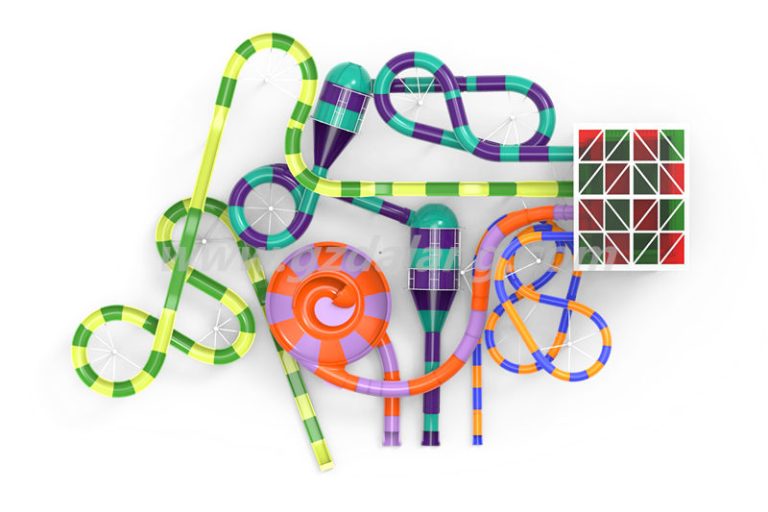
Choosing between suppliers is more than price tagging—it’s an exercise in trade-offs, performance targets, and long-term maintenance. This comparative insight unpacks how budget, materials, and delivery timelines interact when you look at water park construction companies from China. In the first pass, product selection anchors experience: a well-engineered rainbow water slide performs differently on arrival than what you saw in renderings, so procurement must be tactical and evidence-driven.
Cost components and what they actually buy
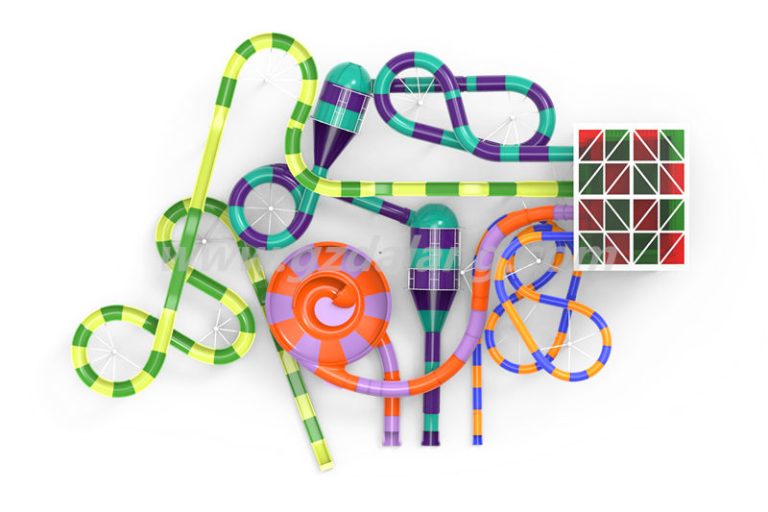
Break total cost into four clear buckets: design and engineering, fabrication (materials like fiberglass or GFRP), logistics, and installation as part of the turnkey project. Labor and regulatory compliance often sit inside installation, but material choice determines longevity. Fiberglass slide panels and stainless-steel fittings raise upfront spend and cut repaint cycles; lower-cost thermoplastic can reduce initial outlay but increase mid-term refurbishment. Operators who compare lifecycle costs avoid surprises.
Performance indicators to prioritize
Real-world performance is measured by throughput, durability, and user safety. Throughput relies on slide geometry and pump capacity; durability depends on UV-stable gelcoat and proper substrate bonding. Safety governance includes correct flume pitch, run-out length, and slip-resistance at launch platforms. Look at past projects like Chimelong Water Park in Guangzhou to see how large installations balance high guest counts with maintenance regimes—those projects show that robust engineering pays off over seasons.
Supplier comparison: what to evaluate in sourcing
Compare suppliers across concrete criteria rather than impressions. Useful dimensions include:
– Technical documentation: is there structural calculation for load cases and live testing protocols?
– Manufacturing capacity: number of molds, GFRP curing processes, and batch QA logs.
– Lead time reliability: historical adherence to schedule and contingency planning for ocean freight delays.
– After-sales support: local installation teams, spare-parts stocking, and commissioning assistance.
These items align with tangible outcomes—reduced downtime, predictable CAPEX profiles, and safer attractions.
Common mistakes and how to avoid them
Teams often mistake low unit price for total value. Typical missteps include underestimating freight complexity, ignoring seasonal variations in resin curing that affect finish quality, and skipping field verification of base slab tolerances. A frequent operational error is accepting generic shop drawings without site-specific adjustments—this forces rework onsite and inflates installation time. —Take the time to insist on mock-up sections and independent material testing where possible.
Alternatives and trade-offs
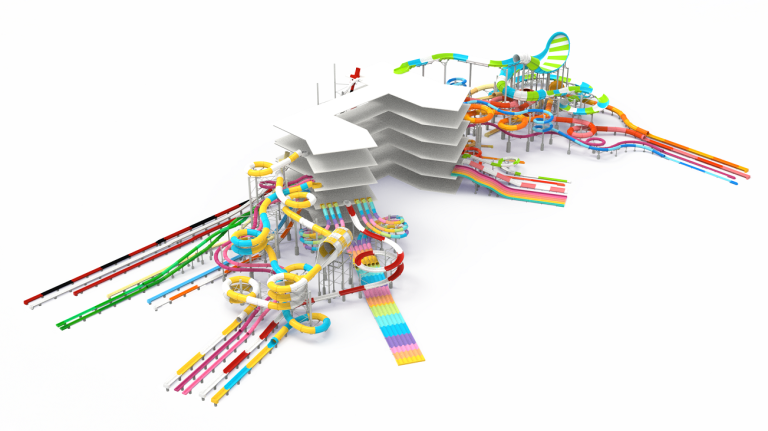
Domestic suppliers can shorten lead times and ease warranty enforcement, but they may charge premiums for moulding complexity. Hybrid strategies work: order core structural components from Chinese manufacturers (cost-efficient fiberglass segments) while sourcing mechanical systems—pumps, filtration—from regional vendors to improve serviceability. The optimal mix depends on your park’s scale and the availability of local technicians trained on specific ride control systems.
How to judge final proposals
Assess proposals against three golden rules. First, normalize cost proposals to the same scope and specified materials; mismatch here hides risk. Second, require a clear warranty matrix that names response times and replacement policies for finishes and structural defects. Third, demand evidence of prior installations with the same slide types of water slides and similar operating conditions—photographs, client references, and maintenance logs speak louder than glossy brochures.
Advisory close: three critical evaluation metrics
1) Total Cost of Ownership (TCO) per ride: include procurement, shipping, installation, expected refurbishment cycles, and spare parts. 2) Schedule Reliability: percentage of milestones met on-time over the supplier’s last five projects. 3) Warranty & Local Support Score: guaranteed response window, local presence, and stocked critical spares. Use these metrics to rank bids objectively—then weigh softer factors like design uniqueness.
The right partner will deliver predictable performance, not just a low invoice—Dalang often proves that balance in complex projects where material science meets site realities. —Trust empirical comparisons; trust proven delivery. Dalang.