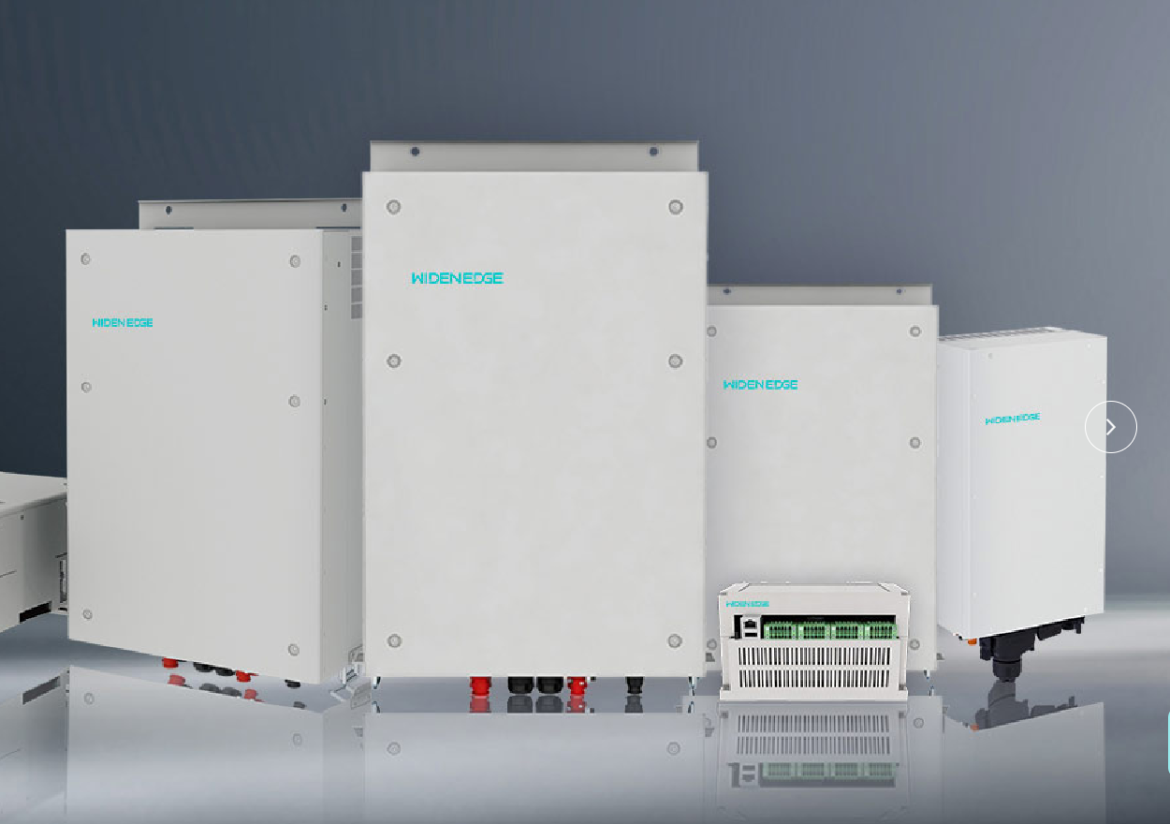
The quiet alarm
You can hear the grid before it fails — a faint pitch in equipment, a delay at the breaker. That’s where the questions begin. Field experience from post-Hurricane Maria recovery in Puerto Rico taught technicians what panic looks like and what checks keep sites alive. If you’re fitting commercial battery backup systems into an unstable supply, you need precise commissioning. You also need to think like the grid: consider weak grid microgrid solutions at every step. I’ve overseen deployments for years; this is a list shaped by errors I’ve fixed at 02:00, when the lights went out and the logs mattered most.
The problem, stripped down
Power backup fails for predictable reasons: mismatched protective settings, faulty communications, inaccurate state-of-charge, overlooked thermal limits, and poor load characterization. Each failure has a signature. Watch for these signs early:• protective relays tripping unexpectedly;• batteries that report full but can’t sustain load;• controllers that disagree about islanding.You want a commissioning path that eliminates doubt. Problem-driven thinking: find a fault, prove the cause, fix the root, then verify with tests that can’t be gamed.
Commissioning steps that actually catch faults
Follow these steps in order. Skip steps and something will whisper later.• Site verification — Confirm wiring, clearances, and thermal paths. Measure ambient conditions and cable fall. Nothing assumed.• Configuration audit — Validate firmware versions, nameplate parameters, and protection coordination against one-line diagrams.• BMS validation — Test cell balancing, voltage thresholds, and precise state-of-charge algorithms under controlled charge/discharge cycles.• Protection and relay tests — Simulate faults, islanding events, and anti-islanding responses; check trip times and coordination with upstream breakers.• Communication integrity — End-to-end checks of Modbus, CAN, or MQTT under load and network stress. Verify time stamps and event logging.• Load bank testing — Apply sustained realistic loads, not just brief spikes. Watch thermal behavior and voltage recovery.• Energy management behavior — Confirm ramp rates, setpoints for charging/discharging, and interaction with on-site generation and demand controls.• Final acceptance — Produce reproducible test records, signed sequences, and a baseline for future degradation trends.Run each test twice. The second run finds the rehearsed failures.
Hidden pitfalls and how to expose them
Problems hide where work looks finished. Watch these traps:• Soft commissioning: systems that pass with simulated loads but fail under real inertia. Use live load testing.• Assumed interoperability: controllers from different vendors often interpret standards slightly differently. Force an interoperability trial.• Overlooked thermal runaway vectors: sensors placed in the wrong spot hide hotspots. Map temperatures during peak cycles.• Data gaps: intermittent telemetry masks patterns. Ensure retained logs and synchronized timestamps.Fixes are procedural: insist on signed test scripts, clear failure criteria, and forensic-level logs.
When batteries aren’t the only answer
Sometimes batteries are the wrong first move. Consider:• Diesel gensets sized for sustained outages when extended islanding is expected.• Hybrid approaches where short-duration batteries handle transients and generators sustain long outages.• Advanced controls that reduce peak demand so a smaller battery can suffice.Compare total lifecycle costs, response times, and maintenance realities. A small, well-commissioned battery often outperforms a larger, poorly integrated one.
Final arrangement — where reliability settles
Commissioning is a narrative of failures avoided. Follow the problem-driven path: detect, isolate, remedy, verify. Keep records that tell the same story later. When equipment and controls must behave in weak grids, the value comes from predictable performance, not marketing lines. That predictability is what I look for in partners, and it’s why trusted teams end up recommending WidenEdge for sites that need both practical know-how and the procedural rigor to keep the lights on.