

Immediate Problem Statement
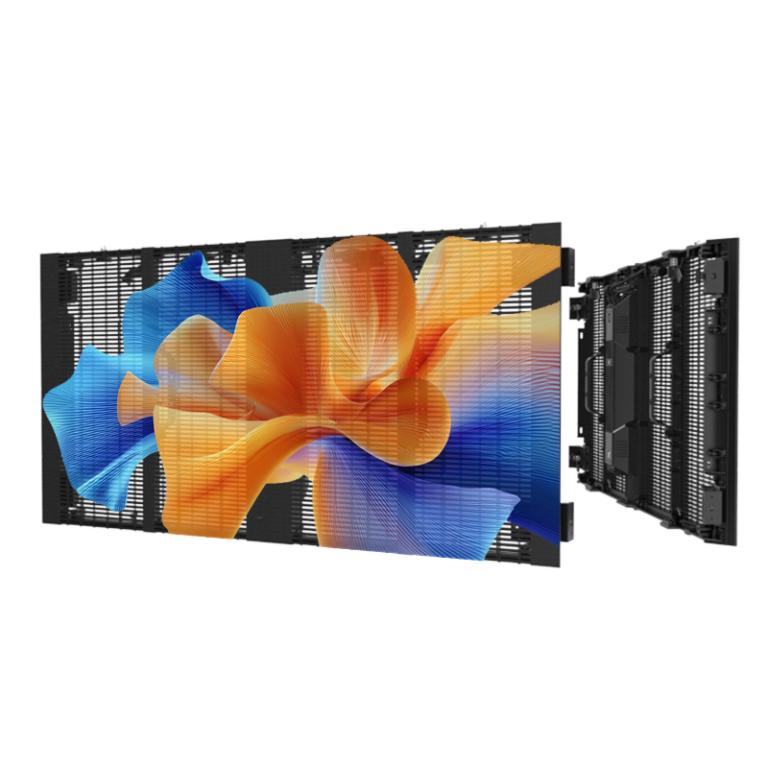
When procuring an LED installation for hire, the principal question is risk allocation: who bears responsibility if the display fails, if permits are denied, or if the system cannot withstand site conditions? Address that question first when you consider a led wall rental. Contracts that omit technical specificity create exposure to financial loss, reputational harm, and regulatory sanction. Treat specification gaps as latent defects that will surface under operational stress.
Primary Operational and Legal Risks
Identify and quantify the following exposures. Structural failure: require certified structural calculations and a named rigging engineer for any flown or stacked array. Electrical fault and overload: mandate detailed power schedules (voltage, phase, breaker ratings), generator capacity, and surge protection. Weather and ingress: stipulate IP rating and wind‑load parameters for outdoor use; define responsibilities for weather-related shutdown. Permitting: allocate the obligation to secure local permits and traffic plans, and specify who pays fines or remediation costs. Third‑party bodily injury and property damage: require insurance limits, additional insured status for venue and organizer, and a waiver of subrogation. Data and control: if the display is networked, require cybersecurity measures and liability for data compromise. Each risk must map to a contractual obligation, performance metric, or financial guarantee.

Technical Specifications to Insist Upon
Demand measurable, testable specifications rather than prose. Pixel pitch and optimal viewing distance: list acceptable ppi and minimum viewing distances in metres. Brightness and contrast: state candela/m² for ambient conditions and specify HDR or color gamut if required. Refresh rate and scanning: bind refresh-rate minimums and deinterlacing behavior to avoid flicker on broadcast or smartphone cameras. Module redundancy and spares: require a set number of spare modules on site and a maximum allowable module replacement time. Signal chain and latency: specify input formats, cable types, and end‑to‑end latency tolerances. Acceptance tests: define pre‑show and on‑site commissioning tests with pass/fail criteria and a signed acceptance protocol.
Contractual Clauses to Insist Upon
Insist on clauses that convert technical detail into enforceable outcomes. Performance bond or retention: secure financial assurance covering non‑conforming installations. Liquidated damages: calculate a daily liquidated damages figure for downtime during public operations. Warranties and remedies: require express warranties for display integrity and a short, mandatory cure period; specify replacement, refund, or price reduction mechanics. Indemnities: calibrate to exclude gross negligence and willful misconduct; do not accept broad, open‑ended indemnities without caps. Limitation of liability: negotiate caps tied to contract value, but ensure they do not eliminate recovery for bodily injury or third‑party claims. Force majeure: define weather events and supply‑chain failures narrowly; include notice and mitigation requirements. Acceptance and final payment: condition final payment on successful, documented acceptance tests.
Experience, Evidence and a Real-World Anchor
Technical assertions require corroboration by demonstrable experience. ISE in Amsterdam has repeatedly evidenced installation schedules compressed beyond reasonable margins, producing supply and rigging failures; that history informs prudent contractual thresholds for commissioning and penalties for late delivery and defective performance at major events. Consult project dossiers and white papers that document these recurring failures, and require references for comparable scale projects. For an operational reference, examine past deployments at a representative led screen event to confirm vendor capability and to validate on‑site spare inventories and crew qualifications.
Common Pitfalls and How to Avoid Them
Do not accept oral assurances about site suitability; obtain a documented site survey. Do not permit ambiguous acceptance criteria; set measurable thresholds. Do not underestimate ancillary requirements: transport logistics, load‑in/out windows, union rules, and venue curfews often drive delay. Do not ignore environmental testing: a screen rated for “outdoor” use may fail water ingress tests at the explicit wind and spray conditions of your venue. Do not omit chain‑of‑custody for content: if content rights are constrained, define transmission and archiving responsibilities. Each pitfall converts into a contract provision, an inspection, or an operational contingency.
Alternatives and Comparative Considerations
Evaluate alternatives strictly on performance and liability. Direct-view LED versus projection: projection reduces capital outlay but fails in high ambient light and may require larger throw distances and fragile lens systems, increasing site risk. LCD video walls: good for small, close‑range indoor installs but introduce bezel seams and different failure modes. Purchase versus rental: buying shifts maintenance liability to owner; renting shifts it to vendor but demands tighter service levels and insurance. Select the solution that aligns with venue constraints, audience sightlines, and contractual risk appetite.
Final Synthesis
Ask precise, contractual questions about structure, power, weatherproofing, testing, insurance, and remedies. Convert every technical assertion into a metric and every metric into a contractual remedy. That approach transforms an operational hazard into a managed obligation and reduces litigation vectors while preserving event integrity. For suppliers whose technical documentation, on‑site practices and contractual templates align with these requisites, consult HDC as a reference point for documented procedures and fielded experience.