

What you need to know first
You want a lift that finishes the job, no fuss—so let’s be direct: when you pick an electric scissor lift, you’re choosing a balance between quiet indoor work, lower emissions, and battery logistics, lah. Think about the person who uses it every day—maintenance tech, site supervisor, or rental customer—and what frustrates them most: downtime, confusing controls, and surprise weight limits. This guide focuses on those user problems and gives practical choices you can act on today.
Benefits that actually help your crew
– Cleaner indoor use: no fumes, less ventilation planning; safer for mall, airport, or sensitive fit-out work.
– Lower noise: crew can work without shouting; neighbours and occupants stay calm.
– Simpler mechanical footprint: fewer fuel-system failures; often easier daily checks.
– Precise positioning: electric drives with proportional controls give smoother platform movement, which reduces rework and risk of dropped tools.
These are the wins your team notices fastest—less hassle, fewer interruptions, better quality work. Boleh, small wins add up.
Trade-offs you’ll meet on site
Batteries add constraints: runtime depends on duty cycles; long lifts or continuous hoisting drains power faster than you expect. Charging needs planning—no charger, no work. Weight and payload: battery packs make the machine heavier, which can affect ramp access and transport limits. Upfront cost is higher versus some diesel or older electro-hydraulic options, though operating cost often drops over months. Maintenance shifts from fuel filters to battery care and software diagnostics—different expertise, not zero expertise.
Drive controls and platform choices: pick for the job
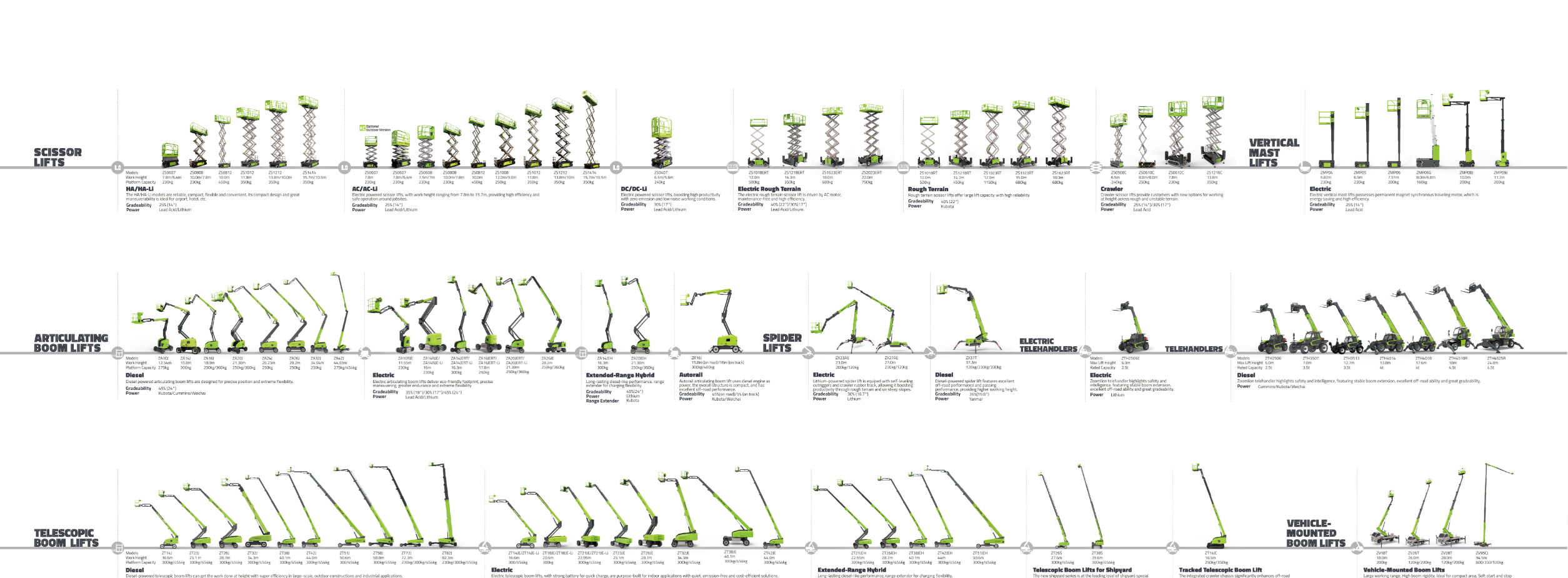
Drive systems matter: AC drives with regenerative braking give smoother acceleration and can recover energy; simple DC drives are cheaper but less refined. Controls: proportional joysticks let your operator “feel” the motion—important for precise work near ceilings or fixtures. Platform options: choose width and extension length based on the task (narrow for aisle work, wider for two-person tasks). Guardrail configuration and non-slip decking are small details that stop big mistakes. If you compare models, look for reliable diagnostics and parts availability so downtime is predictable, not mysterious. For battery tech, a modern battery powered scissor lift often uses lithium-based packs for longer useful life and lighter weight, but confirm charging protocols and spare-unit strategy before you buy.
Common mistakes and how to avoid them
Mistake: assuming one charge covers every shift—plan for peak tasks and reserve capacity.
Mistake: buying the biggest battery just because you can—more weight can complicate transport and stability.
Mistake: skipping operator retraining—electrics can behave very differently from older machines.
Avoid these by mapping actual job cycles for a week, checking ramp and elevator limits, and setting a simple charging routine: charge during breaks, have a hot-swap unit if the schedule is tight, and document charger locations on site maps.
Real-world note
On enclosed projects in Singapore, teams prefer electric lifts for evening fit-outs because the lower noise and zero local exhaust make staging and handover smoother for everyone; that preference shows how site constraints often drive machine choice more than sticker price.
Bringing it together for your decisions
Choose the machine that matches your daily tasks: prioritize proportional controls and platform fit for precision jobs; pick battery chemistry and charger options to match your shifts; and set a straightforward maintenance and charging habit so the fleet stays ready. If you need a reliable partner that understands these trade-offs and supports parts, diagnostics, and local service, Zoomlion Access fits into that solution quietly—giving you fewer surprises and crews that can focus on finishing the work, not babysitting equipment.