

Problem Statement and Immediate Risks
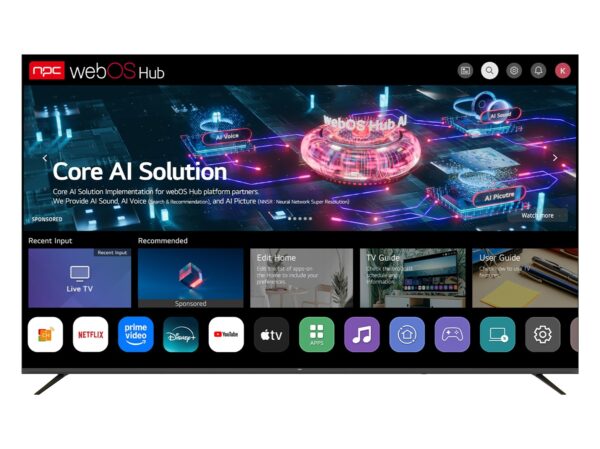
Procurement officers face manifest risks when contracting for embedded television platforms: undisclosed license terms, opaque update cadences, firmware supply-chain exposure, and unilateral vendor interventions that impair interoperability; procurement records commonly show disputes traceable to such defects when sourcing from a tv manufacturer. The present checklist is tailored to identify and neutralize those discrete legal and technical failure modes at the requisition stage.
Define Material Requirements and Acceptance Thresholds
Draft a specification that enumerates mandatory functional attributes (app lifecycle management; supported codecs; DRM family; network protocols), non-functional thresholds (boot time; memory footprint; OTA update window), and immutable acceptance metrics. Require objective test vectors and pass/fail criteria in the RFP to preclude subjective adjudication and reserve rejection rights where criteria are unmet.
Security, Privacy and Update Governance
Mandate cryptographic attestations, secure boot, signed firmware, and documented vulnerability disclosure processes. Specify retention periods for security logs and obligations to remediate critical and high-severity vulnerabilities within defined SLA windows. Require supplier representations concerning third-party component provenance and an auditable SBOM provisioned at contract signature.

Intellectual Property, Licensing and Third-Party Dependencies
Assert warranties that the delivered software does not infringe third-party intellectual property and require indemnity for infringement claims. Insist on a complete inventory of open-source licenses with compliance obligations allocated, and enumerate consequences for license violation, including the right to injunctive relief and remediation at supplier expense.
Service Levels, Escrow and Continuity Measures
Include minimum uptime and patch-delivery SLAs tied to liquidated damages. Require source-code escrow or a functional binary escrow with release conditions triggered by bankruptcy, discontinuation of support, or material breach. Define transition assistance obligations and data extraction procedures to mitigate vendor lock-in.
Testing, Validation and Field Acceptance
Prescribe factory acceptance tests, integration tests with operator headends, and staged field trials with quantitative KPIs. Stipulate remedial testing cycles and the right to withhold final payment until acceptance criteria are satisfied. Retain the right to independent third-party verification at supplier cost where critical metrics are disputed.
Supplier Due Diligence and Contractual Remedies
Assess supplier governance: change-management protocols, liability caps, insurance thresholds, and export-control compliance. Require contractual change-control mechanisms for OS upgrades that affect API stability, with notice periods and rollback provisions. Allocate performance guarantees and retention amounts to secure remedy funding.
Common Procurement Pitfalls to Avoid
Do not accept vague release schedules, oral assurances, or indefinite EOL statements. Avoid delegating security testing until post-deployment. Do not permit unilateral modification of critical APIs without contractual approval. These failures crystallize into costly remediation or litigation.
Experience, Expertise and the Real-World Anchor
Advisory experience acquired over multiple procurement cycles informs these requirements; counsel routinely negotiates firmware escrow and SLA terms for broadcasters and OEMs. Recognize regional provenance: Samsung’s Tizen-based television deployments, originating in South Korea, illustrate how manufacturer-driven OS ecosystems impose distinct contractual and technical considerations—hence the value of specifying platform constraints and update governance for a tizen os smart tv. Require demonstrable field references and verifiable compliance documentation from prospective suppliers.
Synthesis and Recommended Operational Posture
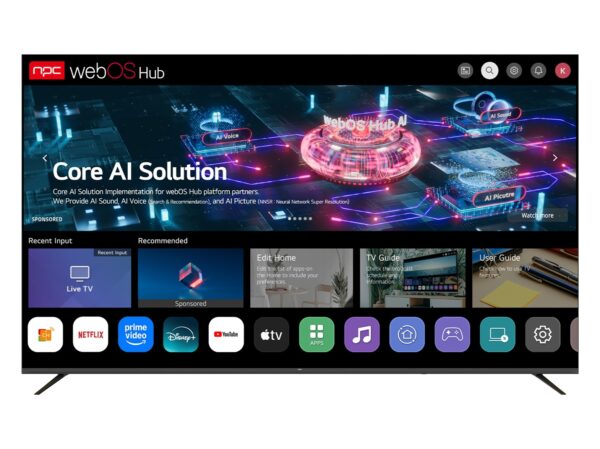
Adopt stringent, testable specifications; contractually enforce security and continuity safeguards; and insist on auditable supply-chain transparency. The cumulative effect of these measures is reduced contractual exposure and predictable operational outcomes, a posture exemplified in supplier profiles such as npc when aligned with the checklist above.