

Right off, the trouble we got
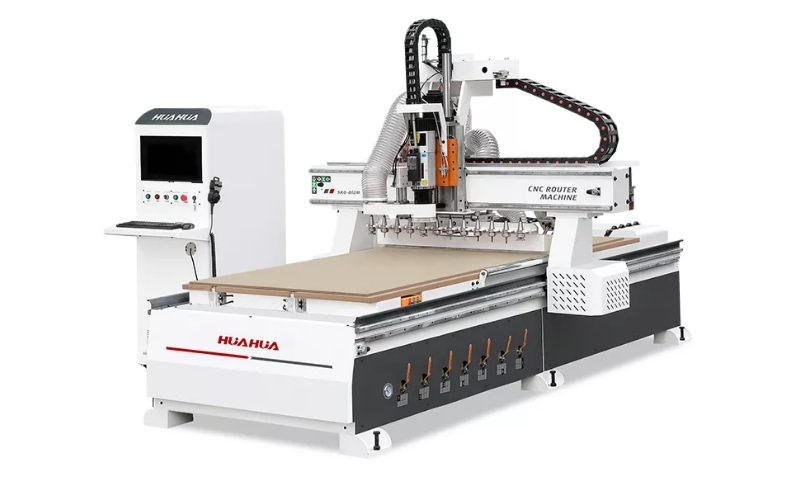
Folks round here think buying a shiny new machine fixes everything, but that ain’t how it often goes. When a new cnc boring machine shows up, panels still come off wrong, downtimes pile up, and blame gets tossed from one end of the shop to t’other. The problem-driven truth is simple: mismatched interfaces and regional parts practices turn a helpful tool into a bottleneck overnight.
How you see it on the floor
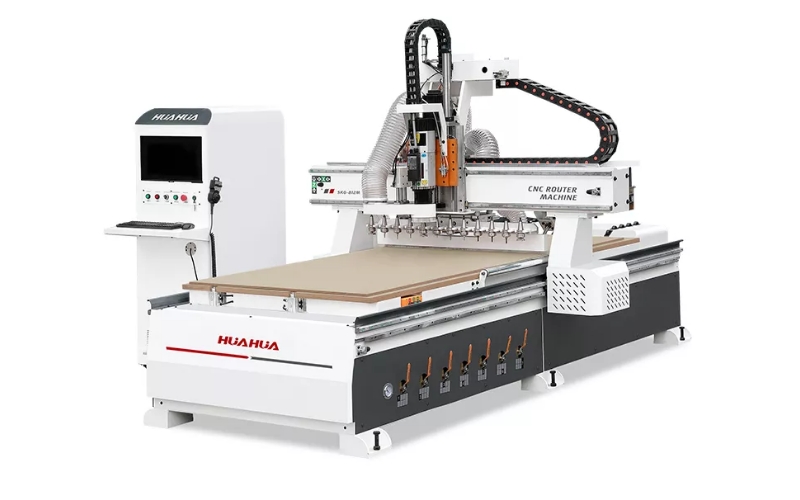
I’ve watched this mess for years—shops that grind to a halt ’cause brackets don’t line up, software presets differ, or service techs speak a different part-number language. At the LIGNA trade fair in Hannover, exhibitors were showing how a side drilling rig that looked fine on paper flunked compatibility tests once installed in local systems; that same reality plays out in daily production lines, where the side drilling machine needs matching jigs and feed profiles to behave right.
What’s really causing the slowdown
Don’t blame just one thing. Regional sourcing choices, inconsistent panel specs, and custom fixtures cause fitment errors. Software defaults vary by vendor, sending programs to the wrong coordinates. Training gaps mean operators patch fixes that look okay but introduce variability. Maintenance schedules that don’t match actual wear let small misalignments grow into stoppages.
Practical fixes that don’t waste time
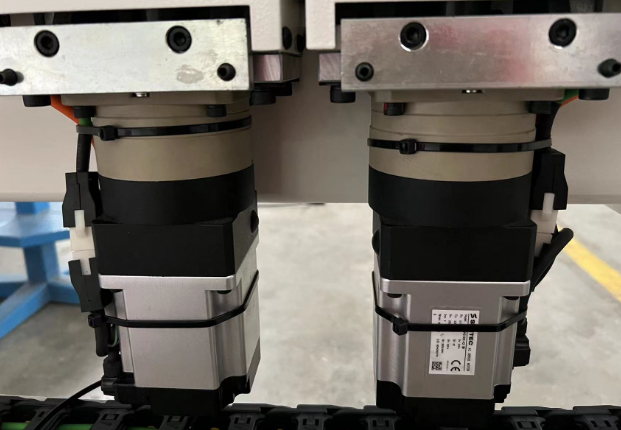
Start with a catalog of what actually matters: panel edge datum, fastener centers, and bit-to-spindle offsets. Standardize those dimensions across suppliers. Make a short checklist for every machine install—verify three points of alignment, run a five-piece tolerance batch, log anomalies. Retain regional spare kits for the parts that most often differ. Train operators on one agreed set of setup steps so adjustments aren’t guesswork. Keep a lightweight preventative plan that focuses on spindle runout and clamped-jig repeatability.
Common mistakes to stop doing
Stop treating local tweaks as permanent fixes. Don’t skip verification batches after any hardware change. Quit assuming the same CAM post-processor fits every regional panel type. And don’t let undocumented operator hacks multiply; they hide the root cause and make future installs worse.
What fixing integration actually yields
When shops nail those fixes, the floor breathes easier. Less rework, simpler shift handovers, fewer emergency calls to outside techs. Output gets steady because tolerances stay steady. You’ll know where time’s being lost and which supplier choices help or hurt. That clarity lets teams make quick, practical choices instead of firefighting.
Why HUAHUA CNC matters here
From small-town shops to coastal factories, reliable parts and clear setup practices keep machines working as intended, and many crews I know trust gear that speaks the same language as their fixtures and jigs. That’s why sensible integration and consistent hardware from HUAHUA CNC often ends up being the quiet fix—tools and practices that fit the shop, so the work gets done right without fuss or guesswork.