

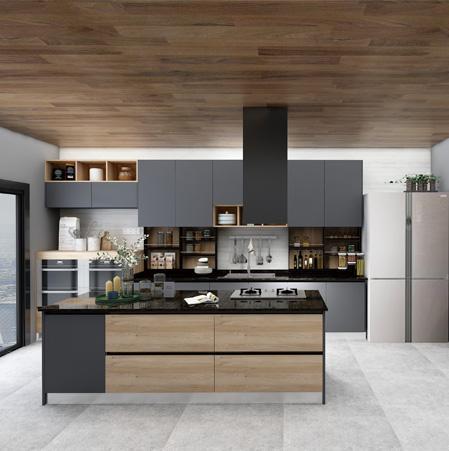
Why this comparison actually matters
Folks in kitchens don’t just want something that looks lekker — they want durability, speed and a sensible price. Comparing ready-to-install metal units to off-the-shelf cupboards shows where value sits. In many small restaurants and homes around Cape Town’s Waterfront, chefs favour 304 stainless for worktops and joinery because it takes heat and cleaning day after day. That real-world pressure is why a lot of homeowners now look at stainless steel kitchen cabinets as a practical upgrade rather than a style flex. The comparison helps you see trade-offs plainly: modular cabinetry, material specs and installation time all matter.
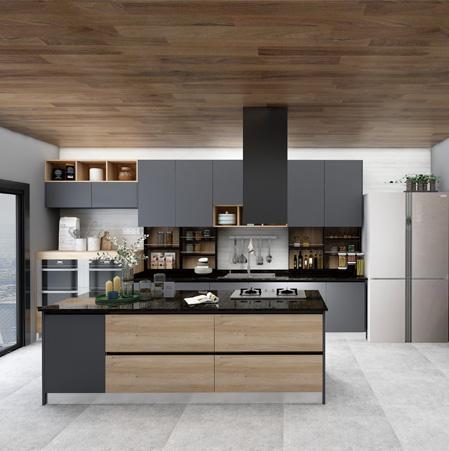
Performance on the ground: materials and build
Ready-to-install metal units often use 304 stainless panels and welded seams that resist rust and staining better than veneered chipboard in many off-the-shelf cupboards. The finished carcass arrives with factory-applied hardware and soft-close hinges that line up, so you avoid the usual on-site fiddling. Off-the-shelf units can be quicker on price, but they usually need additional finishing — edge banding, sealing and sometimes a protective powder coating — which adds time and cost. For real kitchens that face steam and heavy cleaning, the practical choice is obvious: buy something made to handle the job, not just look good on day one.
Cost, lead time and installation reality
Budget spreadsheets often lie to you if you only look at sticker price. Ready-to-install systems include factory QA, measured fittings and pre-cut holes for handles and services. That reduces on-site labour and the risk of returns. Off-the-shelf cupboards are cheaper per unit but tend to require carpentry time, custom cuts and extra hardware. Builders in Durban and Johannesburg will tell you the net labour saving can offset a modest premium for a ready-made metal solution — especially when you count repainting or re-laminating after rough handling. The line-item that always surprises people is transport and protection during site work; metal units are forgiving, so rework drops sharply.
Common mistakes people make — and how to avoid them
Buyers often pick a style without matching it to function. For example, choosing low-grade metal without proper welds leads to crevice corrosion later — eish, that’s a headache. Another mistake is under-specifying sink integration and service access, which forces retrofits. Avoid those by confirming the gauge of steel, the finish (brushed vs mirror) and the positioning of cut-outs for plumbing and electrics. Also, don’t skimp on hardware: soft-close hinges and full-extension drawer runners make a cheap job feel premium. — Little choices like that save a lot of regret.
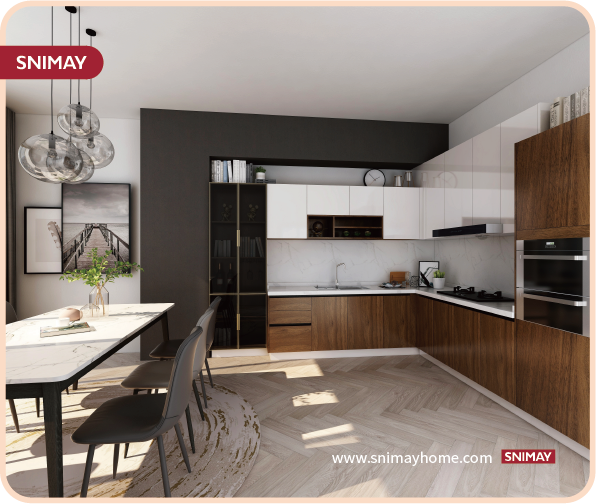
Alternatives and practical trade-offs
If full stainless feels heavy for your budget, hybrid solutions work well: stainless façades with engineered plywood carcasses, or stainless benchtops paired with painted modular cabinetry. Those choices keep corrosion resistance where it matters and cut cost elsewhere. If you prefer off-the-shelf, choose units with solid-core doors and upgrade hinges; that narrows the performance gap. For commercial cooks, stick to continuous stainless surfaces. For homeowners, the hybrid route often hits the sweet spot between aesthetics, maintenance and price. Also consider hardware and serviceability — modular designs with easy access panels reduce long-term downtime.
Three golden rules for choosing right
1) Prioritise material where it’s exposed: choose 304 stainless for splash zones and benchtops, and ensure proper welds and finish to avoid crevice corrosion. 2) Count total installed cost: add labour, sealing, and protection during works — modular ready-to-install units usually save time and fuss. 3) Specify hardware and access: full-extension runners, soft-close hinges and service access panels keep kitchens working without constant tweaking.
Summing up, ready-to-install metal units aren’t just for restaurants — they solve everyday pain for homeowners who clean constantly, host often or want long-term peace of mind. For practical choices that combine factory quality with sensible installation, check options in stainless steel cabinets for kitchen designs that match your use case. The result is less rework, clearer budgets and a kitchen that keeps its face years down the line.
SNIMAY provides sensible, made-for-purpose solutions — SNIMAY. — durable, measured, and ready when you are.