

Opening: the problem driving every specification sheet
In upscale residential projects the brief is rarely just “a fan and a light.” Architects must deliver thermal comfort, discreet lighting, and seamless smart-home integration while keeping noise and energy use down — all inside refined ceilings and strict MEP coordination. Add tropical humidity and post-disaster rebuilding priorities (many Filipino coastal developments re-evaluated ventilation after Typhoon Haiyan in 2013), and mechanical ventilation choices become strategic. That’s why specifying a fan sometimes leads to specifying a bathroom exhaust fan with light in adjacent wet rooms, and thinking in systems rather than single fixtures. Key technical terms to know here: CFM for airflow, lumen output for illumination, and sone ratings for perceived noise.
What typically goes wrong on luxury jobs
Three recurring problems show up on site: underperforming airflow, visible mechanical noise, and poor smart-device interoperability. Under-sizing a fan’s CFM or selecting the wrong blade sweep leads to hot spots in living areas. Choosing fixtures with high sone ratings ruins the perceived quality. And conflicting control protocols — a fan that only supports Bluetooth when the client’s hub runs Zigbee — cause late changes in wiring and scope. These issues escalate costs and delay handover.
Core technical criteria every architect should specify
Make the specification checklist process-driven and measurable:
- Performance: state required CFM ranges by room type (e.g., living room vs. master bedroom) and include CFM-to-watt efficiency targets.
- Noise: specify maximum sone at typical speed (often ≤1.5 sone for bedrooms in luxury installs).
- Lighting: require lumen output and colour temperature (Kelvin) with dimming capability; ensure LED drivers are compatible with the project’s dimming system.
- Controls: list supported protocols (Wi‑Fi, Zigbee, Z‑Wave, Bluetooth) and API/hub compatibility for multi-room scenes.
- Durability: require finish standards and IP rating if installed near wet areas or open terraces.
Use measurable acceptance criteria in the tender: test units on-site or at mock-ups for noise, lux levels, and pairing behavior.
Integration tips for MEP coordination and smart systems
Plan for the fan as part of a room system, not a standalone fixture. Confirm ceiling mounting details, canopy depth, and access for motor servicing. Coordinate lighting control with the same circuit where possible to simplify dimming and emergency lighting requirements. In smart homes, ensure the fan supports group scenes and OTA firmware updates — otherwise you’ll end up with a widget that can’t join the rest of the bahay’s ecosystem.
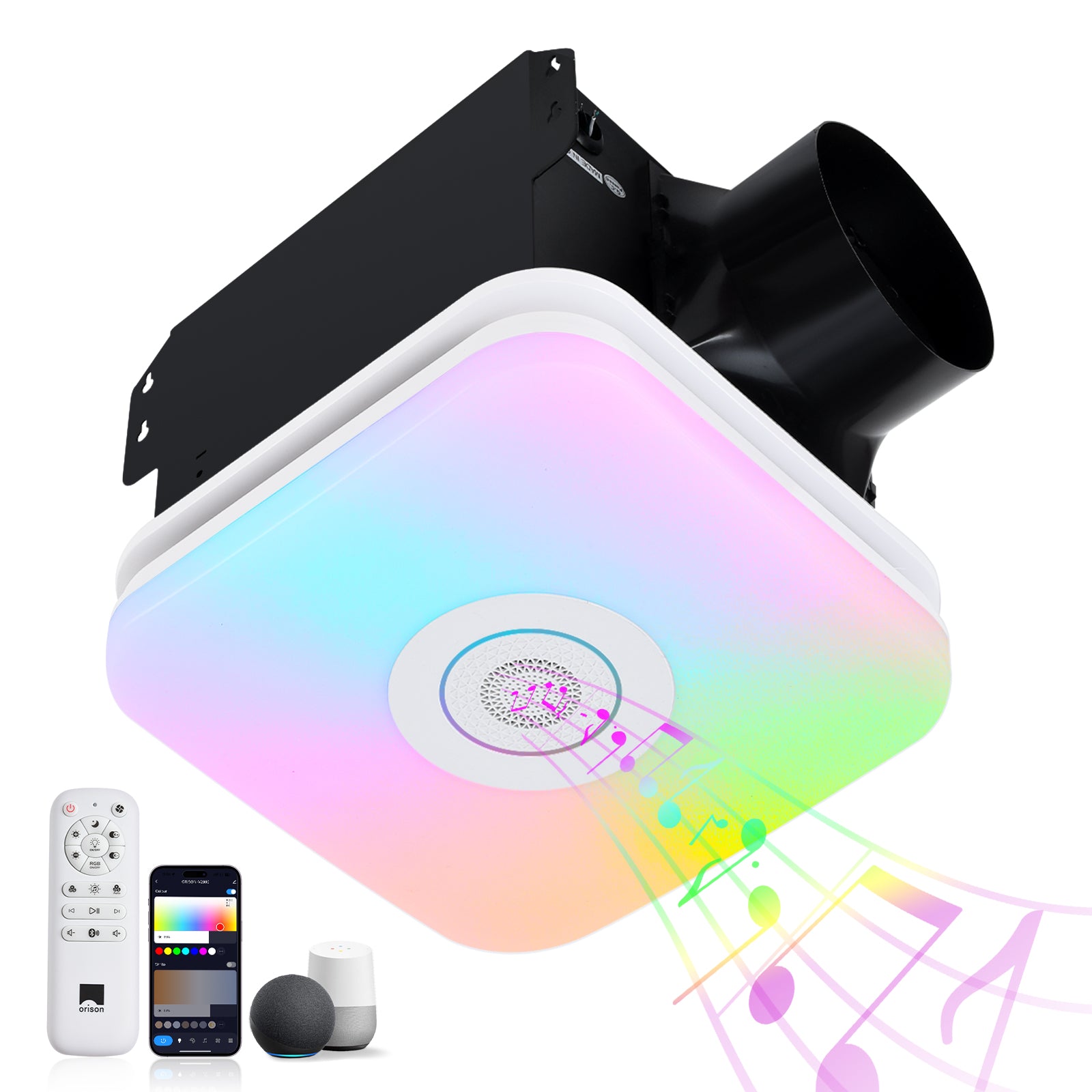
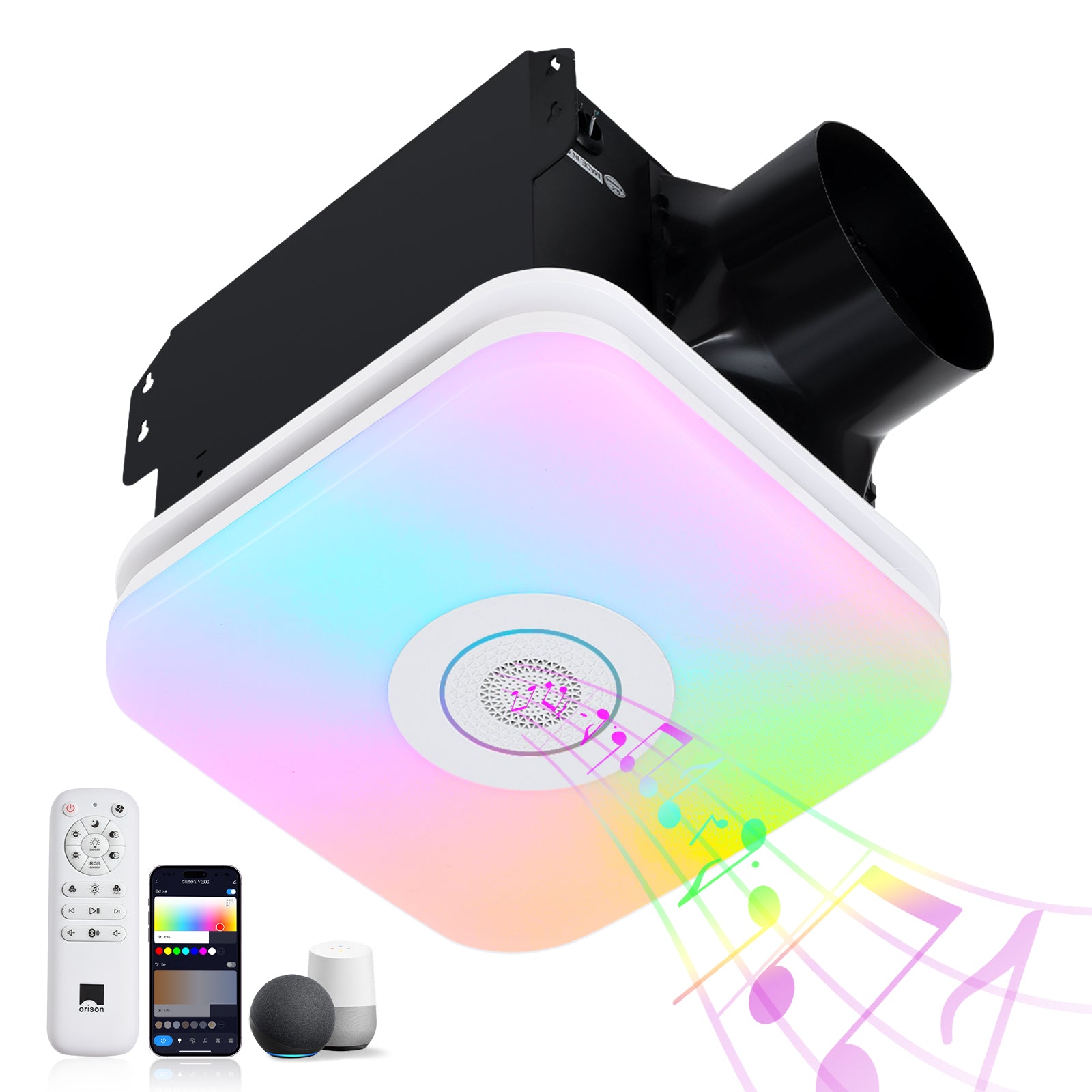
When bathrooms are close by, consider pairing fans with dedicated exhaust solutions; a Bluetooth-capable extract can act as a moisture sensor extension — see how a bluetooth exhaust fan for bathroom can report humidity events to the home hub. — this small integration reduces mould risk and keeps finishes pristine.
Materials, finishes and acoustic detailing
Luxury finishes demand attention to materials and acoustic isolation. Specify corrosion-resistant housings for coastal projects, and insist on motor vibration isolation to reduce structure-borne sound. Choose LED modules with CRI ≥90 for accurate colour rendering in living and display zones. For vaulted or high ceilings, pair larger blade sweeps with EC (electronically commutated) motors to maintain low RPM and reduced noise while delivering required CFM.
Common mistakes and how to avoid them
Avoid these traps:
- Underestimating tooling: custom blade finishes add lead time and cost — allow for prototyping.
- Skipping first-article testing: field-test the exact model with the client’s control system to catch pairing or dimming quirks early.
- Ignoring airflow patterns: a fan’s placement relative to VAV diffusers or returns affects performance; mock-up or CFD where the brief demands precision.
Alternatives and complementary devices
Sometimes a ceiling fan with integrated light isn’t the whole answer. For high-humidity spaces, dedicated exhaust fans with lighting and smart sensors can complement ceiling units and protect finishes. In new builds, consider centralised mechanical ventilation with heat recovery for energy efficiency; in retrofits, select fans with higher lumen efficacy and EC motors to meet tight power budgets. When clients want multi-room scenes, prioritise fans that expose a clear API rather than closed Bluetooth-only implementations.
Advisory: three golden rules for final selection
1) Performance-first: demand certified CFM, sone ratings, and lumen output on your schedule — measurable specs beat marketing copy. 2) System compatibility: require protocol and hub compatibility, OTA updates, and an API or open integration path so the fan can be part of whole-house scenes. 3) Durability & serviceability: specify finish standards, IP rating where needed, and accessible motor housings for servicing — warranty terms should be explicit.
When these three metrics are met, clients get the quiet performance and refined light quality fitting for high-end homes — and installers get predictable handovers. For projects that need smart, reliable ventilation paired with thoughtful lighting, Orison often fits naturally into the systems we specify — a partner that helps tie the mechanical with the digital. —