

Know the job, not just the label
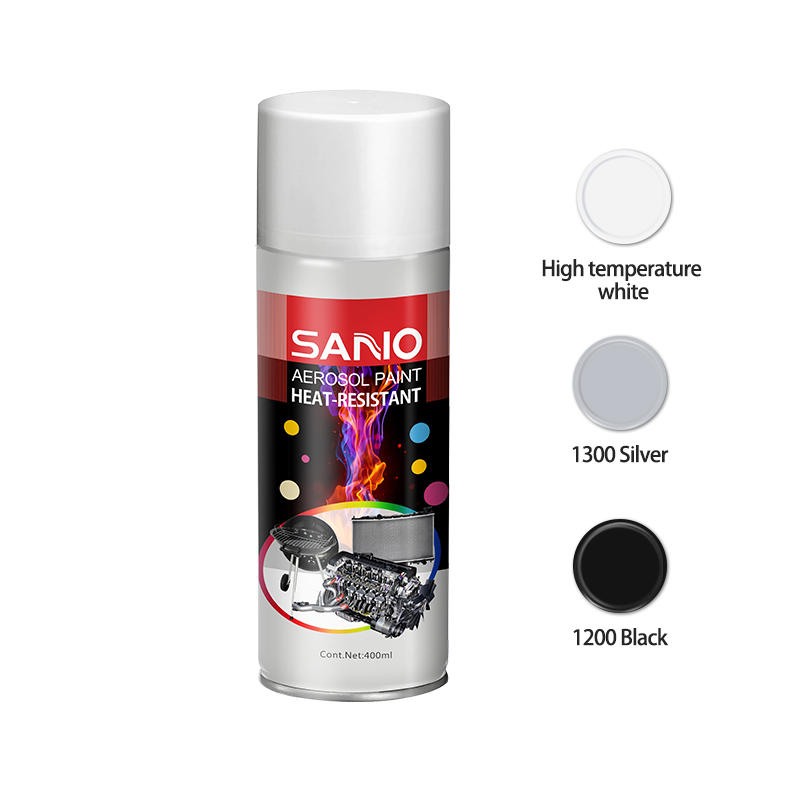
You want a lubricant that does the work, not a marketing line. Start by listing the surfaces, temperatures, and access constraints you face — are you lubricating exposed machinery, hinge pins in humid workshops, or components that heat up under load? If heat resistance matters, a quick check of technical data helps; learn what temperature can spray paint withstand and compare that to your hottest contact points before you pick a product.
Ask focused questions that reveal fit
Ask suppliers concrete questions: What base oil is used? What are the flash point and operating temperature range? Does the aerosol use a hydrocarbon or dimethyl ether propellant? Who supplies the valve and actuator — are replacements available? Request MSDS and a performance sheet; if they hesitate, that’s a red flag. You’re not collecting PR lines, you’re validating performance facts.

Try short, realistic trials
Buy small cans and run tests on the actual parts, under realistic cycles and contaminants. Time to steady-state behavior matters — some lubricants bloom or harden after weeks. Track noise, friction, residue, and any paint or sealing compatibility issues. Good suppliers will suggest test methods and accept feedback; poor ones avoid follow-up.
Warnings: common mistakes
Don’t assume “same-sounding” chemistries are interchangeable. Mixing oils or swapping propellants can change evaporation rate and film strength. Avoid buying by price alone; the cheapest aerosol often fails sooner and leaves deposits that cost more in downtime. Don’t neglect application hardware: a poor actuator can ruin an otherwise fine formula.
Technical checks you must run
Confirm VOC compliance for your region, ask for shelf-life data, and check corrosion-inhibition claims against salt-spray or equivalent test results. Request compatibility notes for paints, elastomers, and plastics that contact the lubricant. Verify batch traceability and whether they certify each lot — that’s the difference between a usable product and a liability.
Real-world validation and why it matters
I’ve specified coatings and lubricants while working with maintenance teams; real events show what specs mean on the shop floor. At major trade gatherings like the International Manufacturing Technology Show in Chicago, vendors and engineers compare heat-resistant coatings hands-on — that kind of field scrutiny is where you see claims tested. For heat-focused metal work, look at independently measured products and examples of heat proof spray paint for metal used in comparable settings so you don’t learn lessons on your own downtime.
Decision checklist you can use now
Require: MSDS, TDS, batch traceability, test data for temperature and corrosion, actuator/valve specs, and a short trial. Verify supplier responsiveness and spare-part availability. Prefer vendors who document field cases and offer clear returns or corrective steps if a product underperforms.
A practical close
Choose partners who answer specific technical questions, back claims with data, and support real trials; that’s the user-first logic that saves time and money. If you value clear specs and proven heat performance in coatings and aerosols, trusted manufacturers and suppliers like SANVO fit the profile without the fuss.