

Introduction: Why Two-Way Energy Now
Energy is moving in both directions, and faster than most plans assume. Today, the bidirectional EV charger sits at the center of fleet and home energy plans. Picture a depot at dusk: vehicles arrive with 60% state of charge, the grid is stressed, and tariffs spike; the fleet must deliver value back to the site without slowing tomorrow’s routes. Recent pilots show round-trip discharge up to 10–15 kW per vehicle and measurable grid services in under 500 ms response time (not bad for power converters under heat). But here’s the rub—most buyers still compare on headline kW and price. What happens to uptime when firmware, thermal cycles, or noisy feeders start to bite? And what is the hidden cost of a charger that drifts off spec under partial load?
The core question is simple: how do you pick a bidirectional path that holds steady when the site is busy, hot, and evolving? We’ll compare the trade-offs, highlight the traps, and set up a clear way to evaluate your next module choice. Let’s unpack what that means—and what to watch for next.
Deeper Dive: Where Traditional Designs Fall Short
What actually breaks under real load?
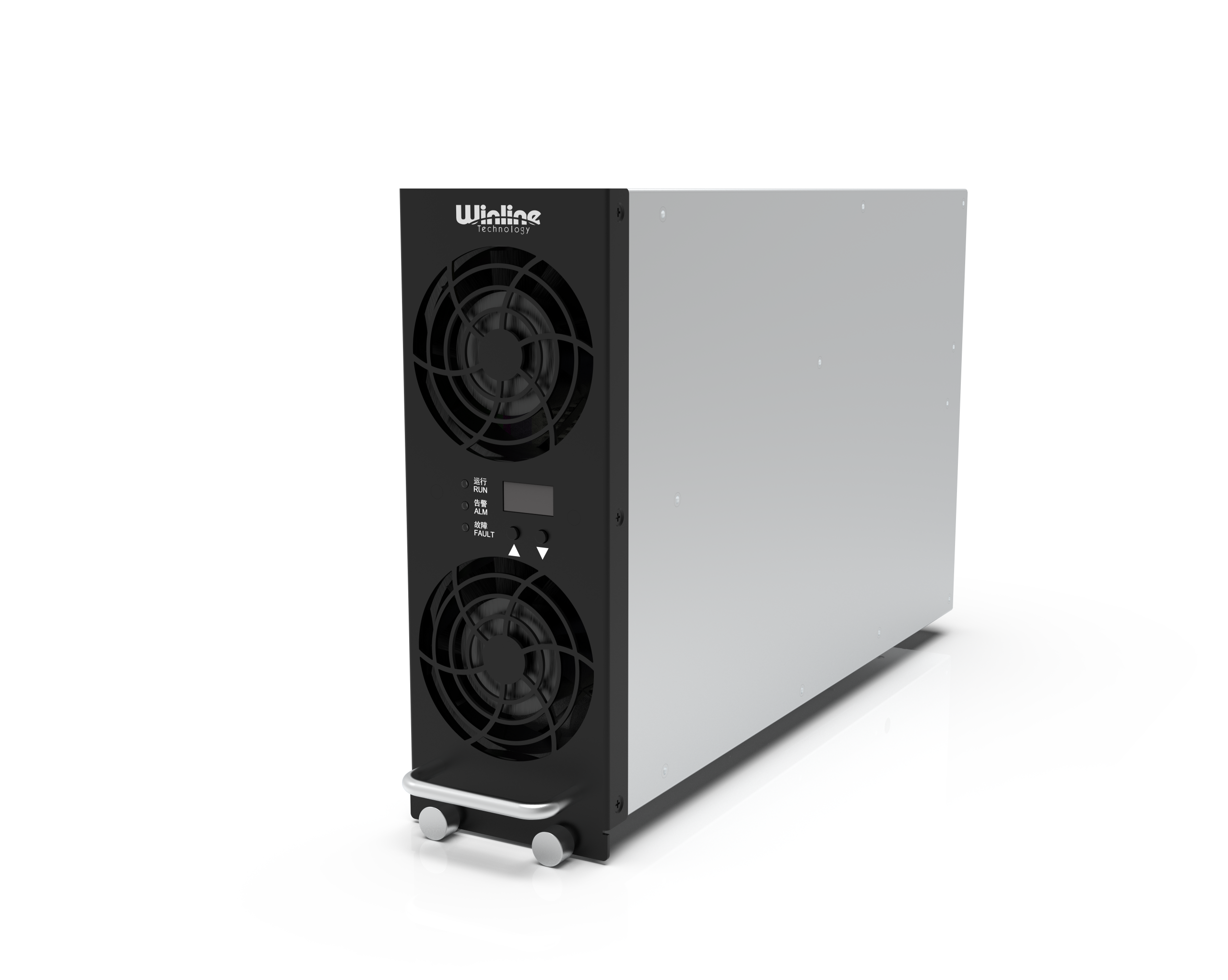
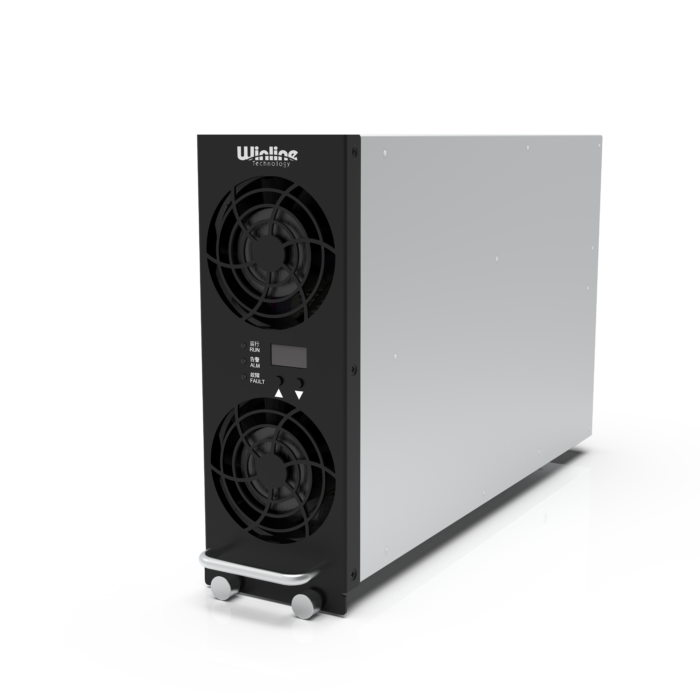

Legacy bidirectional stacks look fine on paper, yet they falter in the field. The issue isn’t only peak power; it’s control stability, heat, and noise. A modern choice like the Bidirectional 20kw power module addresses these pain points by pairing galvanic isolation with tight digital control loops. In contrast, many older designs run into thermal derating when cabinets hit 45°C, and their EMI filters can’t keep ripple current in check during fast V2G events—funny how that works, right? When CAN bus telemetry is slow, grid commands arrive, but the converter lags. The result: missed dispatch windows and uneven battery stress. Look, it’s simpler than you think: poor dynamic response plus heat equals downtime.
There’s also the partial-load trap. Chargers are rarely at 100% duty cycle. They live between 20–60% where efficiency curves sag. Without interleaved topology or soft-switching, switching losses climb and acoustics rise. Silicon carbide devices help, but only if the control firmware manages dead-time and syncs phases under transient spikes. If not, you’ll see oscillations during mode swaps (charge to discharge) and creeping errors in state-of-charge estimation. Over months, that becomes real cost: more maintenance calls, tighter derates, and locked-out updates because the control plane can’t tolerate patch jitter. The fix begins with architecture, not just a higher spec sheet number.
Looking Ahead: Principles That Unlock Reliability
What’s Next
Forward-looking systems blend power electronics and software discipline. Start with isolation and topology. An interleaved, soft-switched stage with robust isolation—like the isolated DC DC module 20—cuts switching losses at partial load and stabilizes control during fast reversals. Pair that with a digital controller that samples fast, filters noise, and closes the loop in microseconds. Add edge computing nodes for adaptive limits, so thermal maps and grid signals shape behavior in real time. The upside is clean power quality, tighter SOC control, and fewer nuisance trips during utility events. Small detail, big effect—your uptime follows.
Bring it together with clear evaluation metrics and you avoid the usual traps. From the flaws we outlined (derating, laggy control, and ripple), the lesson is to measure what matters under stress, not just at the bench. Use three checks: 1) round‑trip efficiency at 30–50% load across 25–45°C ambient; 2) dynamic response time to grid dispatch, from command to stable current; 3) thermal stability under consecutive charge–discharge cycles without forced cool-down. If a design meets those, it will likely scale with firmware updates, growing fleets, and noisier feeders—because they always get noisier. In practice, this is how sites sustain revenue-grade V2G while preserving battery health and minimizing service calls. For reference and deeper specifications, see winline charging station.