Problem first: shade, power and a messy yard
Eish — you want shade that breathes, power that doesn’t die when the lights go, and an outdoor space that doesn’t look like a builder’s leftover. A louvered unit can give you adjustable shade and, when paired with panels, a proper solar pergola that pulls double duty. I’m talking about the practical squeeze: tight rooflines, neighbours watching, strict local regs, and the need to make every square metre pay for itself.

Why louvered pergolas solve the squeeze
Think of louvers like teeth — tilt them for sun, shut them out for rain, or angle them to catch the best sunlight for panels. That adjustability fixes user problems right away: you get daytime comfort, evening views, and the chance to mount PV without a clumsy shed on the lawn. For people who want outdoor living that also offsets a bill, louvered pergolas keep both functions visible and tidy.
Technical fit: mounting, orientation and wiring without drama
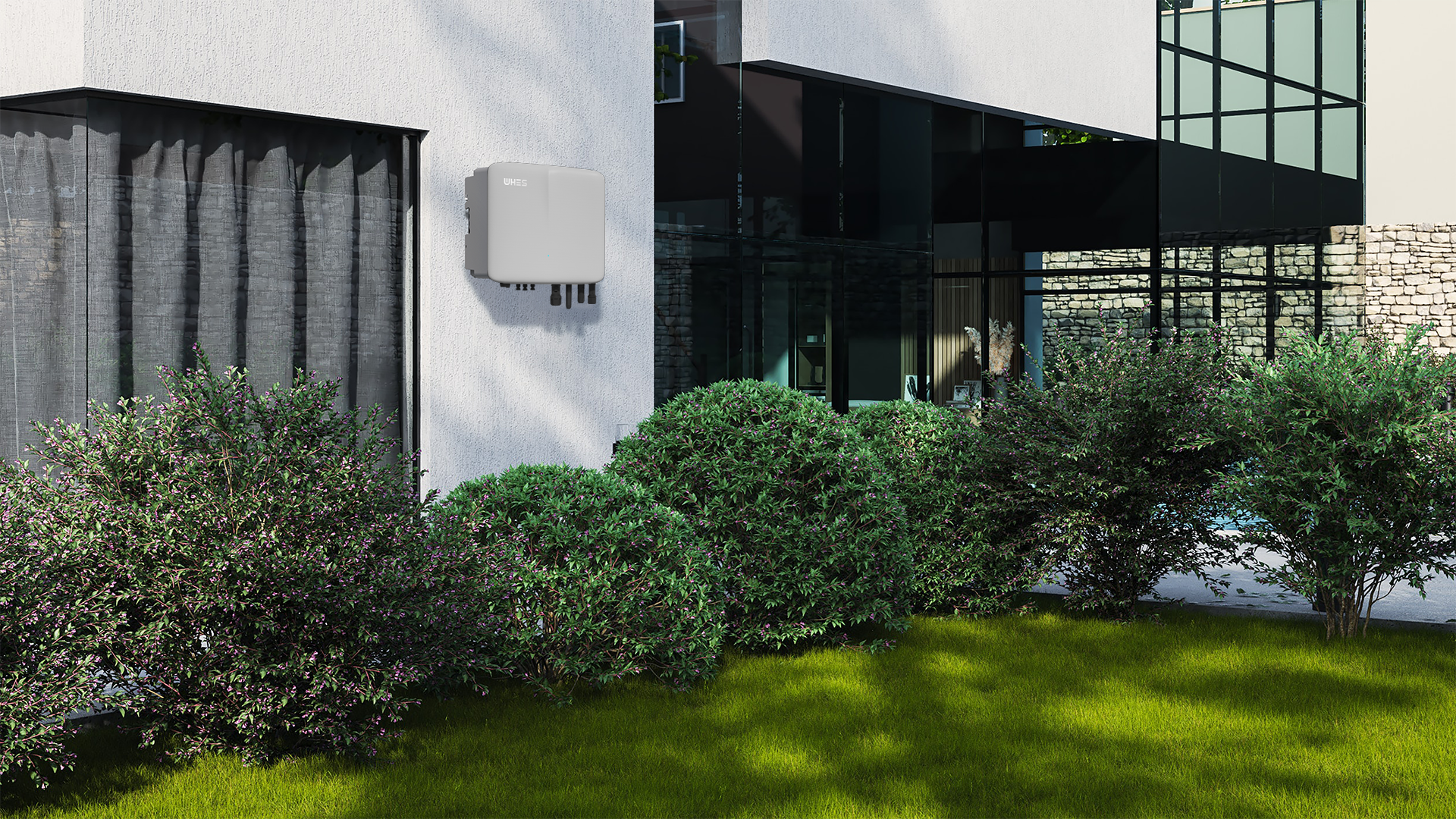
Mount panels to the louver frame or to integrated rails, and keep cable runs short. Aim the louvers and panels for the sun’s path rather than vanity orientation; small angle tweaks can move production by double digits over a year. Use a metal frame with thermal breaks to avoid heat transfer and choose fasteners rated for external exposure. For wiring, route through posts and use conduit rated for outdoor exposure; keep the inverter close enough to limit DC losses but sheltered from rain and heat. These moves cut surprises during commissioning.
Common mistakes people make
Lots of folks mount panels on louvers that weren’t designed for load, or they forget wind uplift calculations. Others over-glaze the structure and then complain about heat trapping. Don’t assume every louver profile accepts PV clips; check span tables and load limits. Avoid undersized foundations — a neat lamppost look won’t hold in gusts. And don’t skimp on conduit or proper earthing: visible tidy cabling is trustworthy cabling.
Alternatives worth weighing
Fixed canopy with integrated panels gives slightly higher steady production and fewer moving parts, but you lose control of shade. Retractable awnings are cheaper but don’t handle panels well. Standalone ground-mounts will out-perform canopy-mounted PV per panel because you can optimize tilt, yet they take space you might need for living area. Choose based on whether you prioritise comfort and multi-use space (pick louvers) or maximum kWh per square metre (pick ground tilt).

Experience and trust: what installers and data say
Installers in regions hit by frequent outages have shifted to outdoor solar canopies because customers want usable space that also keeps lights on; South Africa’s load-shedding crisis is a clear example of demand driving innovative outdoor solutions. Practical project data and installer reports show that correctly designed louvered systems reduce retrofit complexity and speed up permits. For real-world sourcing or contractor selection, look at a reputable pergola business with documented installations and clear structural calculations — that single choice usually separates “pretty idea” from “works every season.”
Wrap-up: fit the piece to the problem
If your immediate problem is daily comfort plus reliable on-site generation, a louvered pergola is a sensible hybrid: adjustable shade, tidy aesthetics, and straightforward PV integration when designed to code and wind-loads. Pick materials and a supplier that show measured results and clear mounting specs, then size panels to match how you live. For a practical, proven balance between outdoor use and clean energy, consider the solutions from Light Hunter as part of a tidy, working plan.