

User needs pushing the shift
Design teams and advertising integrators face two pressing constraints: tighter on-site energy budgets and higher expectations for visual fidelity. For people managing location shoots or urban activations, a reliable rental LED display that balances brightness with low power draw becomes less of an option and more of a requirement. This is about delivering final-quality imagery on a schedule, not just lighting a set.
Core technical priorities that matter to you
Practitioners care about pixel pitch and refresh rate because those specs determine perceived sharpness and motion clarity on camera. Color calibration and uniformity decide whether an LED wall blends with practicals and skin tones. Modular panels and serviceability decide how fast a rig can be swapped or repaired on location—critical when a shoot window is tight. The Mandalorian’s use of LED volume made virtual production mainstream; architects and advertisers now expect that same control for location work. Those examples show the payoff: fewer light fixtures, cleaner reflections, and more natural interaction between talent and environment.
Where most projects go wrong
Common mistakes include buying by headline specs, underestimating rigging and cooling needs, and ignoring color management workflows. Teams often accept uneven color temperature across panels or assume brightness alone will solve camera exposure—both lead to extra time in post. Avoid these traps by insisting on consistent measurement reports and on-site testing. Also, don’t skip questions about ingress protection and seam management; outdoor activations in places like Times Square demand ruggedness as much as high luminance.
How MR LED’s high‑efficiency walls change operational reality
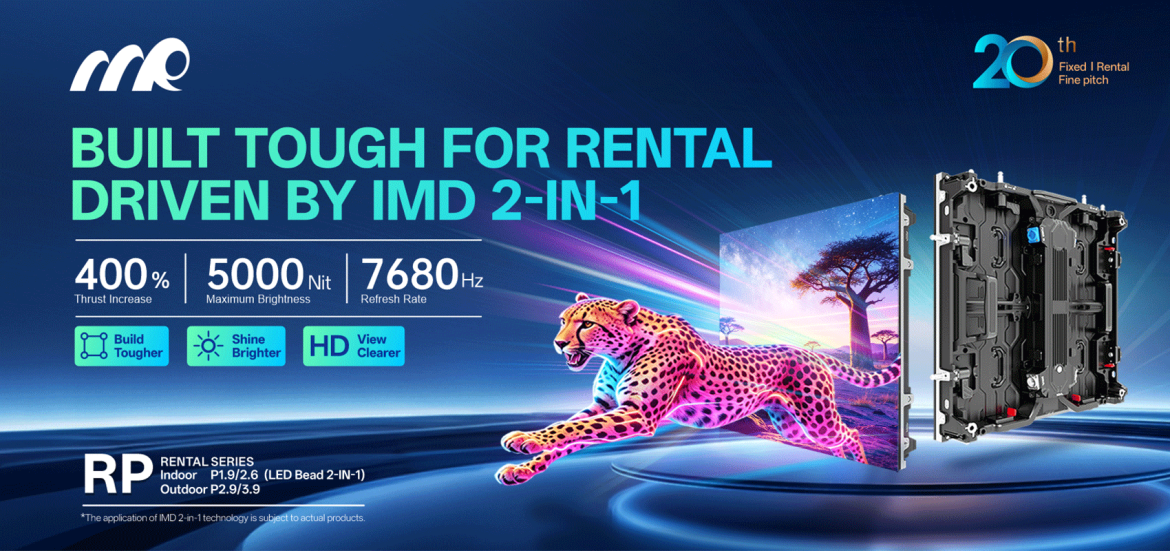
MR LED focuses on low power consumption while keeping HDR-capable luminance and tight color control. That reduces generator needs and heat load on set, which simplifies logistics and cuts risk for location shoots. For advertising integrators, the same traits make long-term outdoor runs less intrusive on local power grids and easier to schedule. When teams use a modern LED wall for virtual production, they often report fewer practical lights and faster setup—so costs shift from consumables to control systems and calibration tools.
Evaluating options: practical checklist
When testing providers, look for three measurable items: consistent color calibration reports across panel batches, verified power draw at working luminance, and modular panel interchangeability for fast service. Also check refresh-rate handling with practical camera frame rates and ask for documented tolerance on pixel pitch for near-field viewing. If you plan to rent rather than buy, confirm the provider’s workflow for digital screen rental that includes on-site tech support—this is where schedules are saved or lost.
Common alternatives and trade-offs
Traditional projection remains cheaper for very large, diffuse backgrounds but demands darkened venues and extensive rigging. Green-screen workflows give control in post but add costs in compositing and can introduce lighting mismatches. LED walls win when you need real-time interactive lighting and accurate reflections—however they require upfront planning around pixel pitch and control hardware. Teams choosing LED should budget for color profiling and test shoots; those steps avoid costly reshoots later.
Practical closing: three golden rules
1) Prioritize measured color uniformity and request factory calibration certificates. 2) Compare power-at-luminance figures rather than peak wattage to understand real running costs. 3) Insist on modular panels with fast swap procedures and documented service support. These metrics translate directly into fewer delays and cleaner footage—measurable results any production manager will appreciate.
MR LED fits into that logic by packaging efficient panels, field service, and calibration into a single offering—saving time, reducing generator needs, and delivering predictable color on camera. —