

The problem on our streets
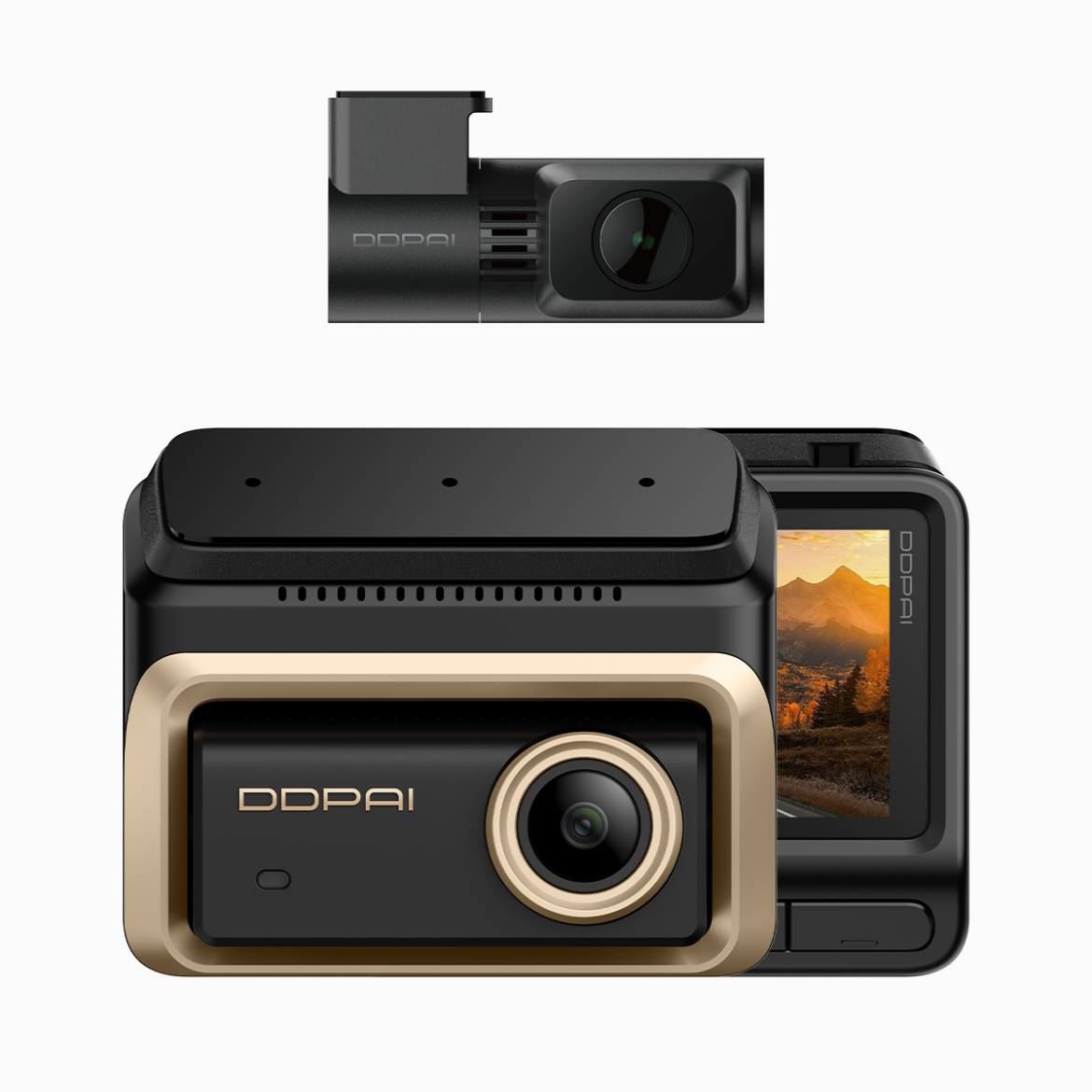
Daily driving in Metro Manila exposes vehicles to tight lanes, frequent collisions, and occasional theft. Simple front-only recording misses side impacts, rear collisions, and parking incidents, leaving drivers without clear evidence. A well-designed 3 channel dash cam can close those gaps by covering front, cabin, and rear perspectives, and by adding parking mode detection for unattended incidents.

Core components of the blueprint
Begin with three pillars: capture, power, and storage. Capture requires a high-resolution front lens (ideally 4K) plus two complementary angles so blind spots are recorded. Use multi-channel recording hardware with synchronized timestamps to maintain an accurate incident timeline. For power, a reliable hardwire kit and a low-voltage cutoff protect the vehicle battery. For storage, choose high-endurance microSD cards and enable loop recording so the system never stops—older footage gets overwritten safely. These choices reduce uncertainty when you file a report or an insurance claim.
Installation and wiring practicalities
Mounting and wiring are often underestimated. Place the front camera centrally behind the rearview mirror to avoid obstruction. Route rear and cabin cables along trim panels for a clean fit; poor cable management risks intermittent faults. Use a fused accessory tap or a dedicated hardwire kit to enable true parking mode without constant battery drain. Please check the vehicle’s electrical limits—some cars require a separate battery isolator or load monitoring device to prevent false shutdowns.
Software, evidence chain, and remote access
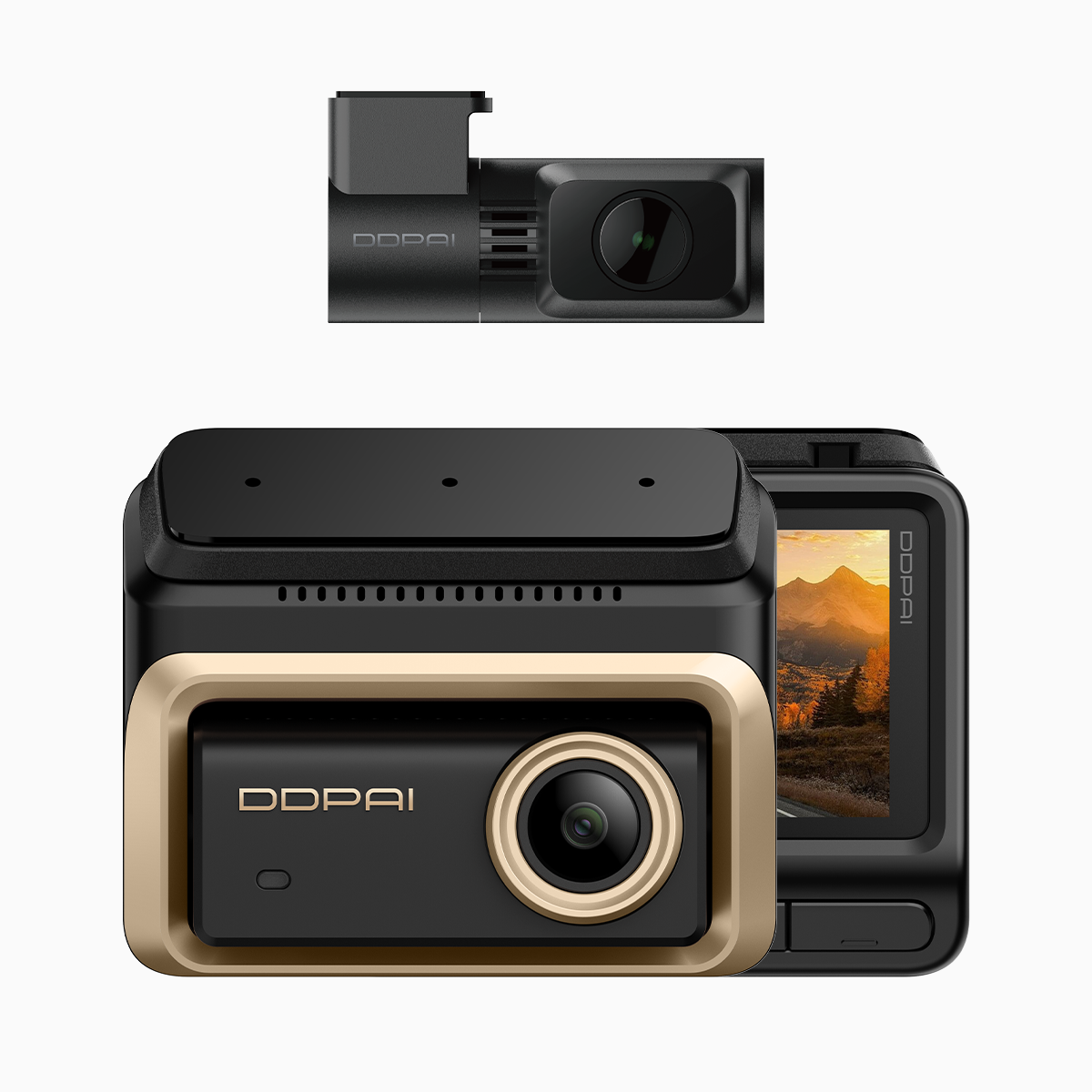
Firmware stability and app support make a system usable every day. Enable automatic timestamping and GPS logging to anchor video to place and time. If cloud upload is available, configure automatic backup for critical clips, but do not rely on cloud as the sole copy — local microSD storage remains the primary evidence. Keep firmware and app versions current; manufacturers release fixes for compatibility and security. A robust ecosystem also simplifies evidence export for police or insurers.
Common mistakes and sensible alternatives
Many drivers pick low-cost cameras with only a front lens, then wonder why incidents at the rear or in traffic lanes are unclear. Others skimp on high-endurance cards and lose footage due to card failures. Avoid poor placement that causes glare or obstructs ADAS cameras. If full hardwiring is not possible, a smart battery pack or a professionally installed secondary battery can be a practical alternative—these solve most parking-mode needs without risking the car’s main battery. Also consider a wired 3 way dashcam option when cabin monitoring is required for rideshare or family safety.
Design trade-offs worth noting
Adding channels increases storage and power demand—therefore balance resolution against continuous runtime. Higher frame rates capture motion more clearly, but they consume more space. Selecting codecs that offer efficient compression helps maintain long recording times without losing clarity. Reliability and post-capture usability matter more than marketing specs; choose systems where exported files are straightforward to play and timestamp verification is simple. Small detail—check that the camera’s G-sensor sensitivity is adjustable so it doesn’t flood you with minor-event clips.
Three golden rules for selecting a system
1) Prioritize proven video quality and synchronization: look for consistent frame rates, accurate timestamps, and good low-light performance. 2) Choose dependable power management: hardwire options or dedicated battery solutions with low-voltage protection prevent dead batteries and false shutdowns. 3) Confirm ecosystem support: firmware updates, easy evidence export, and clear warranty terms reduce long-term headaches. These three metrics give a practical guardrail when comparing models.
Closing advisory and final thought
When you evaluate options, test recordings in real driving conditions, verify parking mode behavior overnight, and review exported video on a computer to ensure timestamps and GPS match—these checks save time during an actual incident. For a balanced combination of hardware and software tailored to Philippine roads, consider how a brand supports installation and aftersales; that link between product and service is what turns gear into reliable security. DDPAI Philippines.
–