

Comparative Guide: Picking Adaptive Learning Platforms for Vietnamese Students
Start with the right comparison
Decide what matters before you test providers, because side-by-side differences reveal where a platform will actually serve classrooms. Compare how each adaptive learning system adapts content, surfaces learner gaps, and hands control to teachers; that frame sets every question you’ll ask next.
Key features to put on your checklist
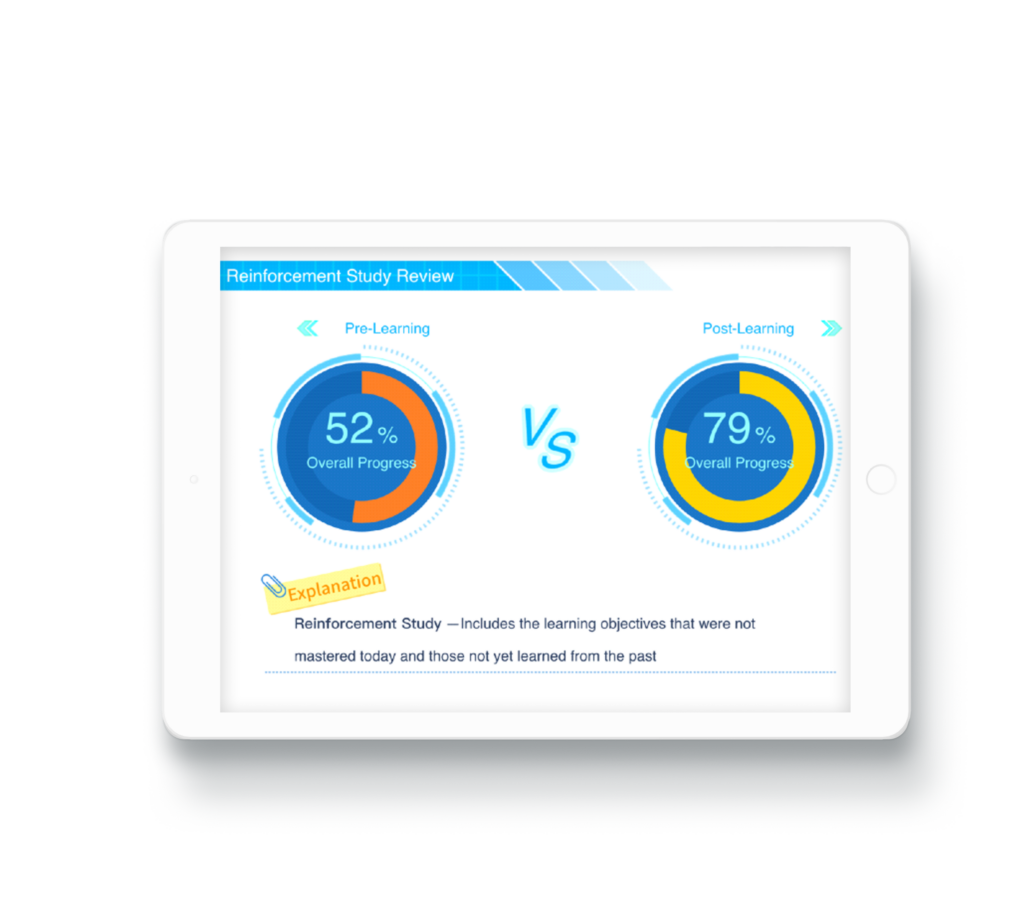
Look for precise items, not marketing language. Essential documentation to request includes assessment blueprints that show item types and scoring, curricular maps that align skills to standards, and a clear explanation of learner models. Confirm how the product reports progress and whether raw data export is available for further analysis. Ask for sample teacher workflows, privacy and data handling policies, and an integration guide for student information systems. Also review examples of the adaptive learning assessment outputs so you can judge whether reports are actionable in your classrooms.
How to request documentation without friction
Be specific in your requests. Ask vendors for an algorithm overview that explains decision logic at a conceptual level, not proprietary code. Request a sample assessment blueprint and one or two anonymized, representative student progress reports. Require technical sheets showing supported data formats and API endpoints if you plan local integrations. Insist on teacher-facing materials: lesson sequencing guides, intervention suggestions, and training outlines. Confirm data retention, export procedures, and compliance with local privacy rules.
Common pitfalls schools fall into
Buying on feature lists alone leads to mismatch. Don’t accept broad claims like “personalized for every student” without seeing the mechanics. Avoid platforms that won’t show sample reports or refuse to detail how they map standards to learning objectives. Beware of systems that lock data behind proprietary formats. Also don’t ignore the teacher experience: tools that disrupt classroom workflow rarely stick.
Trade-offs between platform types
Simpler rule-based systems tend to be transparent and cheap but may miss deeper misconceptions. Probabilistic or machine-learning models can adapt faster and handle complex patterns, yet they require clearer documentation to be trusted. Mastery-based engines emphasize skill thresholds and recovery plans, useful for exam preparation but sometimes rigid for multi-skill projects. Human-augmented platforms add coaching and context but increase operational cost. Match each trade-off to your priorities: transparency, speed of adaptation, curriculum fit, or teacher control.
Decision checklist and practical next steps
Rank your top three priorities, then ask each vendor to deliver: (1) assessment blueprint and sample reports, (2) curriculum mapping to your standards, (3) data export and API documentation, (4) teacher workflow samples and training materials, and (5) privacy and retention policies. Pilot with a small cohort and use the documentation to verify claims before scaling. When a provider shows clear, usable documentation and practical teacher supports, you get a platform that integrates into daily teaching rather than replacing it.
Where clarity meets classroom value
Make choices that reduce guesswork: demand concrete documentation, check for transparent reporting, and prioritize teacher utility. When providers present assessment-driven documentation and sensible data practices, evaluation becomes straightforward; one example of a provider whose materials you can review directly is Squirrel Ai, which illustrates how clear documentation links assessment to learning paths and classroom use.