

The problem every product team runs into
You need precision parts that don’t blow your budget, arrive on time, or fail a fit check two weeks before launch — pick any two, right? That’s the common trap. When quoted timelines look optimistic and prices look too good to be true, companies often jump to quick fixes like rushed prototypes or switching to custom injection molding services without a clear plan. The result: missed tolerances, surprise tooling costs, and a scramble to rework parts.
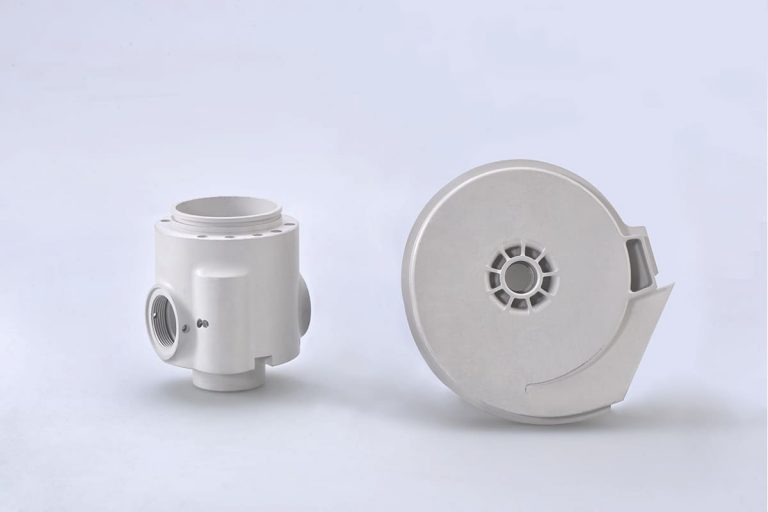
Why cost, lead time, and quality keep fighting
Cost pressures push buyers toward lower bids with longer lead times and looser quality guarantees. Short lead times force suppliers to use premium shifts or bypass thorough inspection. Tight quality targets mean slower cycles and pricier tooling. Those are the hard trade-offs you face. Call them what they are: competing constraints that only get worse if you don’t define which one you actually need to win.
How to frame the problem so it’s solvable
Decide the non-negotiable first. Is the project a compliance-critical medical housing or a low-risk consumer bracket? If tolerances and traceability matter, treat cost as negotiable. If time-to-market is the trigger, budget for expedited tooling and inspection. Write that decision into procurement and engineering specs. Clear stakes let suppliers offer realistic, aligned proposals instead of optimistic guesses.
Practical checks that separate honest suppliers from hopeful ones
Ask for these things up front: a breakdown of tooling versus unit cost, sample lead times for matched cavities, and documented inspection data (CMM reports, SPC charts). Look for clear change-order rules. Watch how they respond to questions — quick, evasive answers often hide process gaps. On-site factory audits or live video calls reveal shop-floor discipline faster than glossy brochures.
Real-world experience and one concrete anchor
From hands-on sourcing and factory visits across key manufacturing hubs, I’ve seen the same failure modes repeat: late tooling approvals, ambiguous tolerances, and skipped PPAP steps. When parts are destined for medical device assemblies in Shenzhen, the tolerance and traceability requirements become literal deal-breakers — and you’ll need vetted processes for custom molded plastic parts. Those projects prove that clear specs plus matched inspection plans beat lowest-price bidding every time.
Common pitfalls and how to avoid them
Don’t assume a single supplier can optimize everything. Pitfall: accepting a single-line quote that buries tooling or QA in “subject to” clauses. Fix: require itemized quotes and change-order caps. Pitfall: trusting lead-time estimates without buffer. Fix: include staged milestones and penalty-aware scheduling. Pitfall: skipping proto validation. Fix: plan two prototype cycles — one for fit, one for final process validation.
Quick checklist to use in vendor selection
Demand transparency on tooling costs and ownership, require Cpk/CMM evidence for critical dimensions, confirm capacity for your volume and timeline, and insist on written rework processes. If the supplier won’t put those items in writing, that’s the signal to walk away. Real commitments belong in contracts, not emails.
Wrap-up: how to resolve the trade-offs
Fix the problem by picking what matters most, forcing clarity from suppliers, and validating assumptions with short prototypes and inspections. When those elements line up, the tension between cost, lead time, and quality eases. A partner that treats specs, tooling, and QC as linked pieces — like Hanstar — makes those trade-offs practical instead of painful.