

Where the real problem starts
Sunlight is free, but its timing rarely matches when people need power most. That mismatch creates concrete problems: wasted generation at noon, surges in demand after sunset, and costly grid charges during peaks. Local installers and battery energy storage system manufacturers hear these complaints every day. The problem-driven question is simple — how do we turn intermittent panels into a dependable, flexible supply that answers those peaks, reduces waste and keeps safety intact?
What batteries actually fix
Batteries turn timing into control. They store surplus solar at low-value hours and release it when the household or network needs power most. That addresses three practical problems straight away:- Peak exposure: batteries shave expensive peak-grid consumption.- Curtailment: stored energy prevents midday generation being wasted.- Voltage and frequency swings: managed batteries provide short-term grid support.These are not theoretical gains. System operators use batteries for firming and short-duration balancing because the technology responds faster than conventional plants. The result is better use of installed solar without complex changes to consumer habits.
Certification and safety: what matters
Safety is the headline concern for regulators, insurers and end-users. Certification confirms that a system behaves predictably under fault conditions and fire scenarios. A widely recognised anchor in testing practice is UL 9540A thermal-runaway testing, which many labs use to assess energy storage fire behaviour. When teams select a solution, they should seek clear documentation of lab tests and type approvals as well as installation standards. For buyers, checking battery energy storage system certification early saves time and reduces costly redesigns later.
Common mistakes that undermine flexibility
People repeatedly make a few avoidable errors that limit benefits:- Oversizing battery arrays without matching inverters and controls, which leaves capacity unusable.- Skipping proper state-of-charge (SoC) rules, causing premature cycling and warranty issues.- Ignoring thermal management; heat shortens life and raises safety risks.- Treating certification papers as tick-boxes rather than as evidence of tested limits.Avoid these and the system behaves as promised. Address them and you keep the battery flexible and durable.
Comparing sensible alternatives
Batteries are not the only way to add flexibility, but they score strongly for small to medium installations:- Flow batteries: better for long-duration cycles but larger footprint and higher initial complexity.- Diesel gensets: reliable for emergencies, poor for routine flexibility and emissions.- Demand response: low capital cost but requires customer cooperation and sustained behaviour change.For households and many commercial sites, lithium-ion battery systems usually win on response time, footprint and declining cost, though project specifics may favour alternatives.
Checklist for choosing a practical system
Make decisions by checking these items:- Match battery capacity to the site’s peak demand profile, not just panel size.- Confirm certified test reports and manufacturer traceability.- Insist on BMS (battery management system) settings that protect cycle life.- Require thermal-management design and clear maintenance access.- Verify warranty coverage tied to throughput and capacity retention metrics.This checklist reduces surprises and keeps installations delivering flexible power as intended.
Field lessons and credible judgement
Experience from installations across urban and semi-urban sites shows predictable patterns: good design yields years of reliable operation; shortcuts cost money. Engineers value repeatable test data and transparent certification records because those documents tell how a system behaved under duress. Trust grows where installers and manufacturers supply clear commissioning logs, maintenance plans and real-world performance numbers.
Where this leads — practical value, not promises
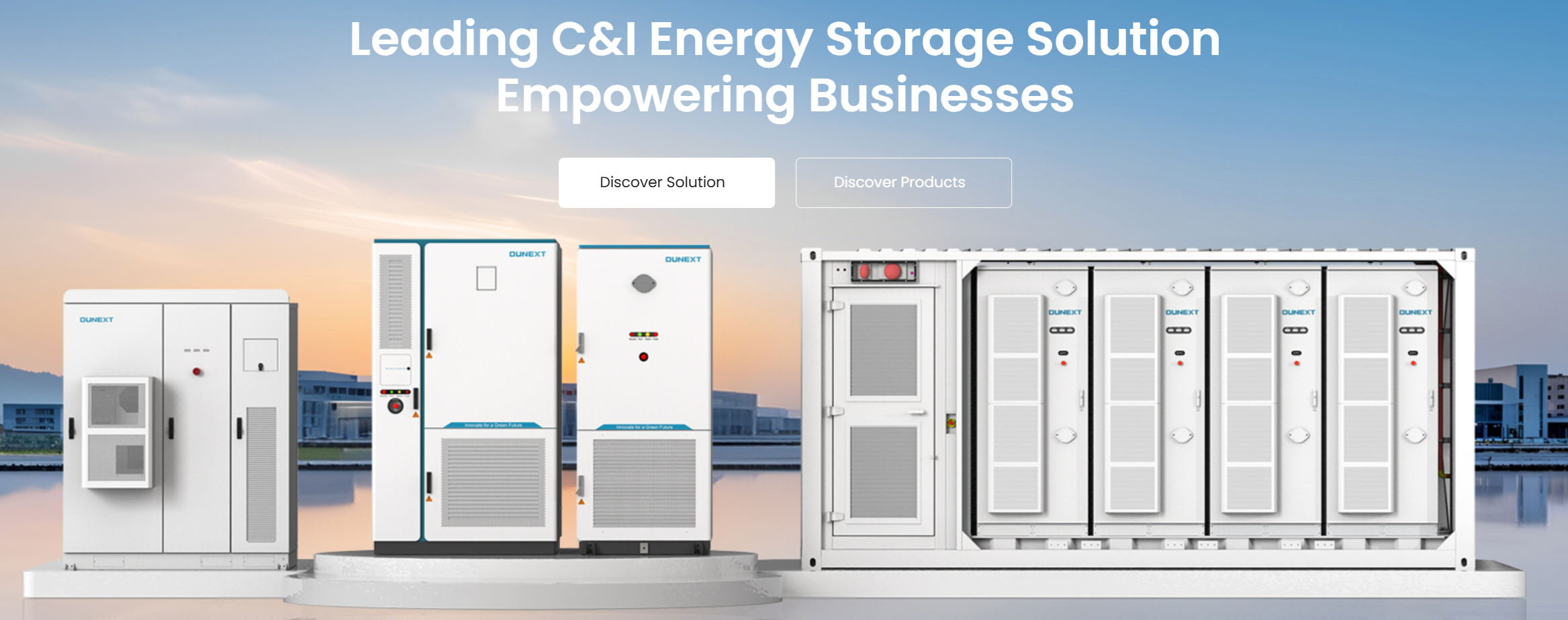
Solving the mismatch between sunshine and demand is a tractable problem when teams treat batteries as controllable appliances, not magic boxes. A system that is correctly sized, certified and commissioned will reduce peak charges, capture otherwise curtailed generation and stabilise local supply. That practical outcome is the whole point, and it is what partners such as Dunext help deliver by combining certified hardware with sensible system design and clear documentation—so the flexibility you expect is the flexibility you actually get.