

The problem that keeps you off the street
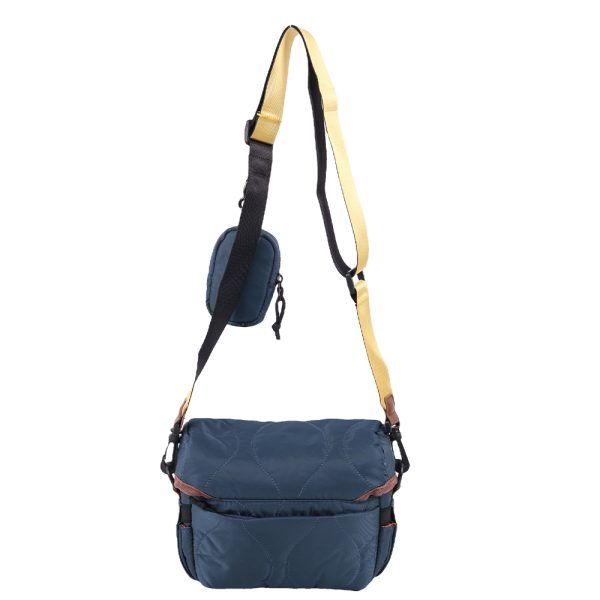
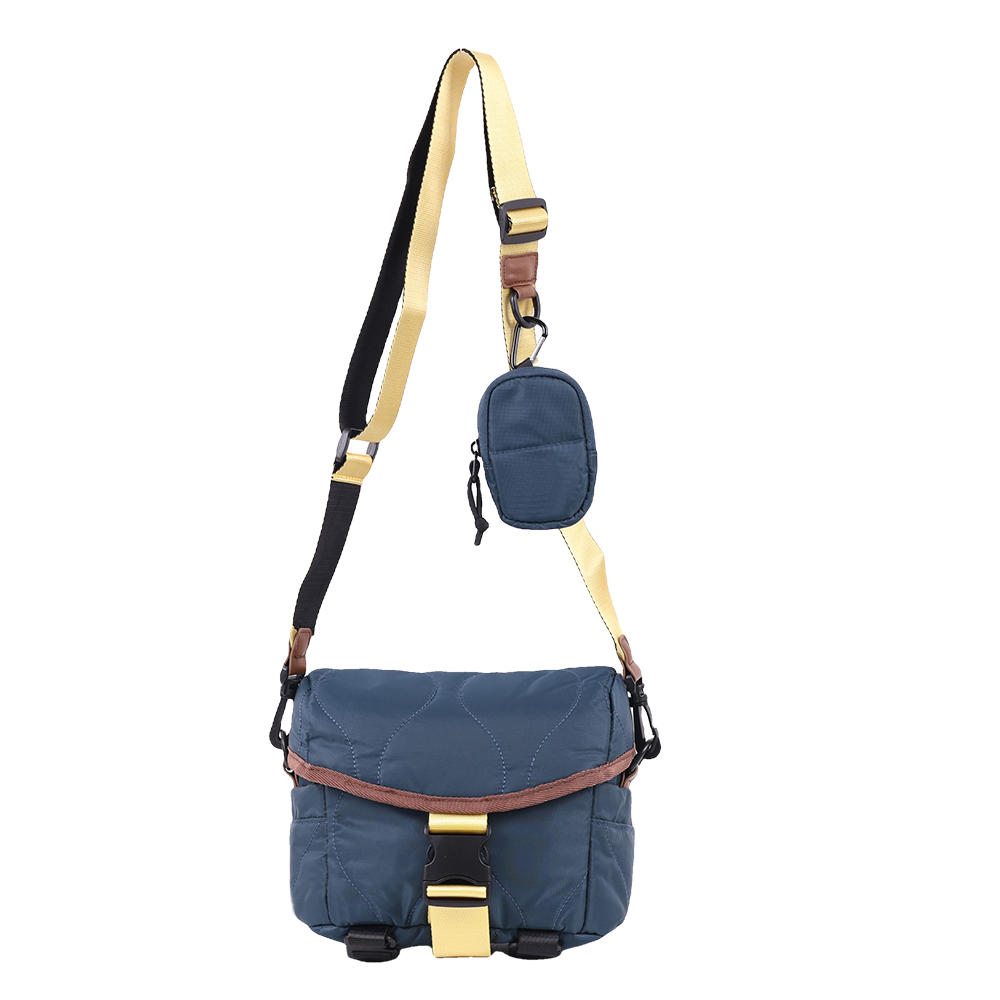
City shooting demands speed and discretion; you can’t fumble with clamshell zippers while a busline fills and the light changes. For quick walks and crowded trains I reach for a camera sling bag—something that slides to the front, gives instant access, and doesn’t shout “expensive gear” to passersby: camera sling bag. If your bag slows you, you miss the shot. If it announces you, you risk theft and distraction. The problem isn’t glamour; it’s choices that feel right in a quiet showroom but fail on a rainy street corner.
What matters to you — practical priorities I still trust
Comfort first. An overloaded shoulder kills patience and posture. Size next: enough room for a camera plus one or two lenses, a small notebook, and a slim water bottle, not a portable studio. Access matters more than capacity; quick top or side access beats a cavernous interior. Protection: padded dividers that actually stay put and a weather flap that keeps rain off the zip. Visibility: neutral color outside, high-contrast lining inside so you find items without dumping everything out. Lastly, straps and hardware should be replaceable; nothing is more frustrating than a broken buckle mid-shoot. These are priorities you can measure on a block walk, not on paper.
Experience and a real-world anchor
I’ve been carrying gear through decades of city life, testing pockets and zippers between assignments and afternoons of wandering. That practical history taught me to prefer simple mechanisms over clever gimmicks. I saw the difference in New York City—crowded sidewalks, sudden weather, and fast-moving light—where street shooters choose bags that let them work without thinking about them. One reliable option photographers often reach for is the urban camera bag, built for those exact conditions.
Common mistakes that ruin otherwise great kit
Overbuying capacity because “you never know” leads to chronic hauling. Fancy dividers that look adjustable but slip are worse than fixed foam that stays put. Choosing style over function—bags that fold flat but lack weather protection—means a soaked laptop or ruined lens. And ignoring strap ergonomics: a soft strap with no rotation causes the bag to swing into traffic. Test how a bag behaves when you jog a block; if it swings or pinches, leave it on the shelf.
Alternatives worth considering
Sling bags win for speed and minimalism. Messenger bags fit larger kits but announce you in some neighborhoods. Small backpacks distribute weight and protect fragile gear but slow access. Holsters and belt systems work for documentary setups where you need two bodies ready, but they’re visible and draw attention. Try each style on a typical shoot: a morning commute, a market, and a rainy afternoon. The right choice feels invisible once you start working.
Where that leads you
If you want a bag that behaves like an experienced assistant—quiet, reliable, and built for the city—prioritize comfort, access, and weather resistance. My last decade of street work narrowed those priorities into plain demands, and that clarity is why I look for manufacturers who match practical needs with honest construction. For a sensible balance between form and function I’ve trusted products from ChangRong that aim to make the bag a tool, not a statement piece.