

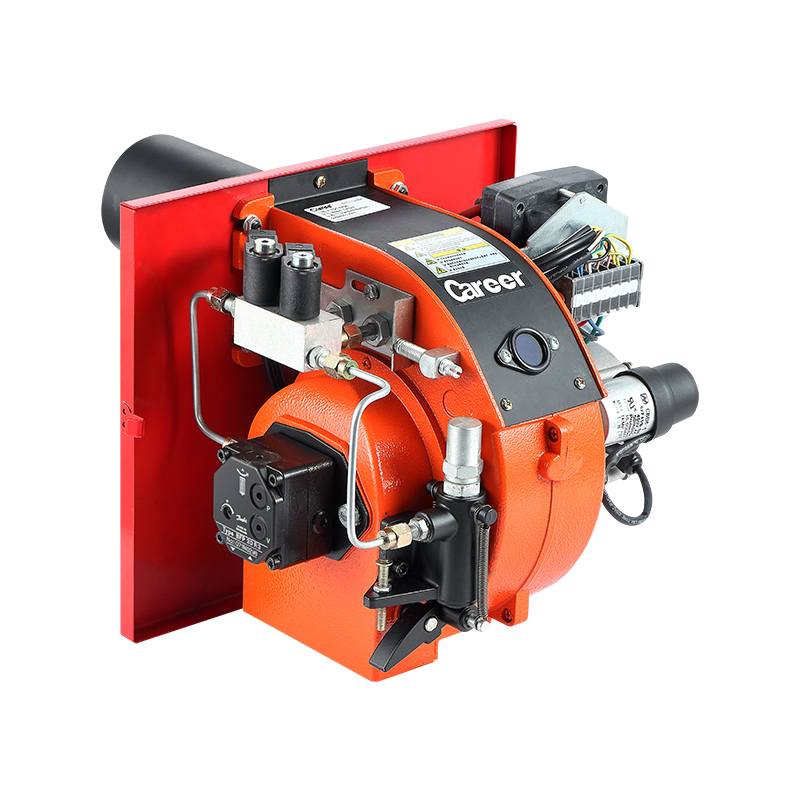
Problem: Burners that look right on paper but fail on the line
Manufacturers need heat sources that scale predictably; yet projects stall when a burner handles peak load but chokes on part-load or serviceability. The common misstep is choosing an off-the-shelf option without checking turndown, fuel compatibility, and service footprint. A reliable option can be an industrial oil burner, but only when its specs align with your duty cycle, controls, and maintenance plan.
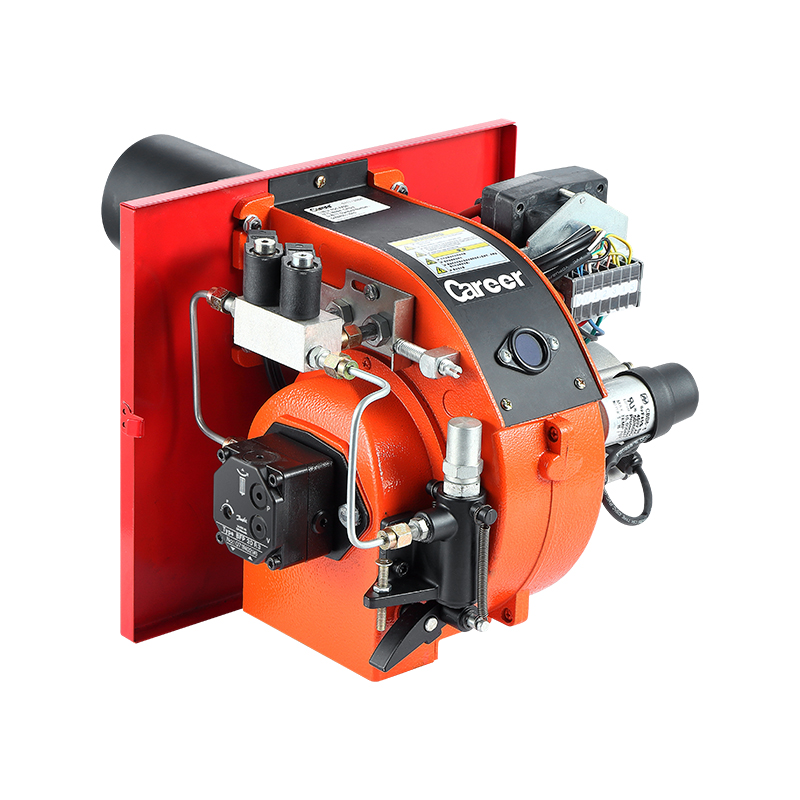
Why this breaks plants
Mismatches happen because selection often treats burners as one-dimensional: capacity rating only. Real systems need staged control, predictable ignition across loads, and repeatable emissions behavior. Local supply constraints, viscosity changes at low temperatures, and short parts lead times multiply risk. Think in terms of capacity planning, redundancy, and serviceability instead of peak BTU alone.
Practical technical checks
Run these checks before you commit: match maximum and minimum heat outputs to the process heat curve; verify turndown ratio and modulation capability; confirm ignition and flame-monitoring strategies; test fuel viscosity and atomization at site temperatures; review materials for immersion tube corrosion and thermal cycling; and validate control interfaces for PLC and DCS integration. Measure expected duty hours and factor scheduled outages into spare-part stocking.

Alternatives and trade-offs
Compare immersion tube burners with radiant tube and direct-fired options. Immersion tubes give tighter heat transfer for liquid baths and are compact. Radiant tubes suit high-temperature uniformity across conveyors. Dual-fuel burners add resilience at the cost of control complexity. Choose the approach that minimizes custom work while letting you scale by adding parallel modules rather than upsizing a single unit.
Common mistakes that cost time and money
Don’t underspec turndown: a burner that runs noisy or cycles frequently shortens life and yields inconsistent product. Don’t assume local service exists for a niche model. Don’t ignore installation tolerances for immersion tube length and clearance; they alter heat distribution. Avoid oversized spare inventories for rare failure modes—stock smart: critical consumables and a tested emergency plan matter more.
Real-world anchor
After disruptions to fuel logistics around the U.S. Gulf Coast refining hub, many fabricators found that their chosen oil-grade specifications and delivery windows mattered as much as burner performance. That experience pushed teams to specify compatible industrial burner oil grades and to require suppliers that could certify fuel-handling tolerances and local support.
Implementation checklist for localized manufacturing
Define process heat profile (kW or BTU/hr, and percent time at each band). Set required turndown and modulation specs. Confirm ignition and safety interlocks with your controls team. Specify materials and immersion lengths for the specific medium. Require a local service SLA and spare-part lead times. Prototype one unit and instrument it for 30–90 days under real load before fleet rollout.
Synthesis
Treat burner selection as a systems problem: match thermal profiles, verify fuel handling, and plan for modular scaling and support. When those elements align, plant uptime improves and scale becomes predictable—outcomes that well-defined, locally supported burner solutions from Career Burners are designed to deliver.