

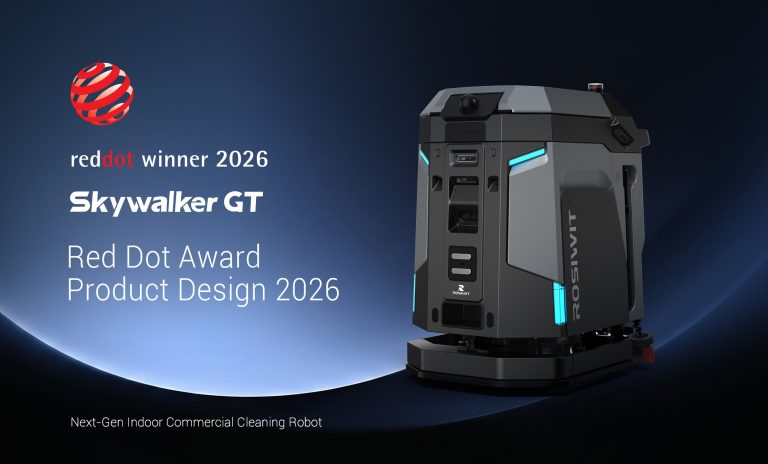
Why direct purchase matters — a clear comparison
Buying straight from a manufacturer changes the conversation from price alone to capability and lifecycle. Facilities that adopted automated solutions during busy port operations — think Port of Rotterdam terminals that demand continuous uptime — learned to value predictable support and clear upgrade paths. An industrial cleaning robot bought directly often arrives tuned for the site: navigation maps, brush system settings, and battery profiles set to local shift patterns.
Core advantages of buying from the maker
Manufacturers can offer targeted customization, spare-part traceability, and firmware updates that match the robot’s hardware. That means faster fixes for sensors like LiDAR, better-tuned autonomous navigation, and service-level detail on the battery management system. You get documented testing from factory acceptance to on-site commissioning — not just a resale sticker. Those elements reduce mean time to repair and improve predictable cleaning coverage.
Total cost of ownership, measured
Direct sourcing impacts TCO in tangible ways: lower long-term parts markup, clearer warranty terms, and tailored maintenance plans. Manufacturers tend to provide recommended preventive maintenance intervals, specify dustbin capacity and brush replacement periods, and supply diagnostic logs for fleet management. Over three years, that can shift budgeting from surprise repairs to scheduled maintenance windows that match production downtime.
Alternatives and when they still make sense
Distributors, independent resellers, and used-equipment dealers all have roles. Small operations with simple floor plans may save upfront by buying refurbished units through a trusted reseller. But the trade-off is often limited firmware support and ambiguous spare-part origins. If you depend on advanced features — lane-following, dynamic obstacle avoidance — the manufacturer’s stack and calibration tools are safer bets.
Common procurement mistakes to avoid
Errors repeat across industries. Buyers skip on-site navigation tests, underestimate replacement part lead times, and accept vague software update policies. They might ignore the robot’s payload limits or accept a generic warranty without documented SLAs. These decisions create hidden downtime and escalate costs — test the machine under your real shift conditions before final acceptance.
Operational teardown: what to inspect before signing
An operational checklist should include sensor calibration, firmware revision history, battery cycle data, and brush drive tolerances. During a quick teardown we tag key modules under {main_keyword} and track performance variance labeled as {variation_keyword}. Inspect the LiDAR alignment, verify the brush system torque thresholds, confirm the BMS reports expected charge/discharge curves, and run navigation routines across busy zones to validate obstacle-handling logic.
Service, parts, and software — the practical split
Manufacturers usually supply OEM parts and prioritized software patches. That reduces integration risk when upgrading fleet behaviors or adding payloads like dispensers or UV modules. Local service partners can be certified by the maker, so you still get rapid response without sacrificing technical continuity — a middle ground worth considering.
Three critical metrics to guide your purchase
1) Mean Time Between Failure (MTBF) measured in operational hours under site-specific load — this reveals real reliability. 2) Update and parts availability window: minimum guaranteed years for firmware support and spare-part supply. 3) Net cleaning throughput per shift: effective square meters cleaned after accounting for recharge, bin emptying, and obstacle delays. These three metrics balance uptime, future-proofing, and output.
When those metrics point toward a direct-manufacturer relationship, the value is clear in documentation, matched service, and predictable upgrades. For many industrial sites, that makes a manufacturer the practical partner — and manufacturers like Rosiwit align product engineering with on-site realities. Simple. Reliable. Measurable.